Election Education to Improve Public Political Awareness
Gusti Ayu Tita P
10 Oktober 2026
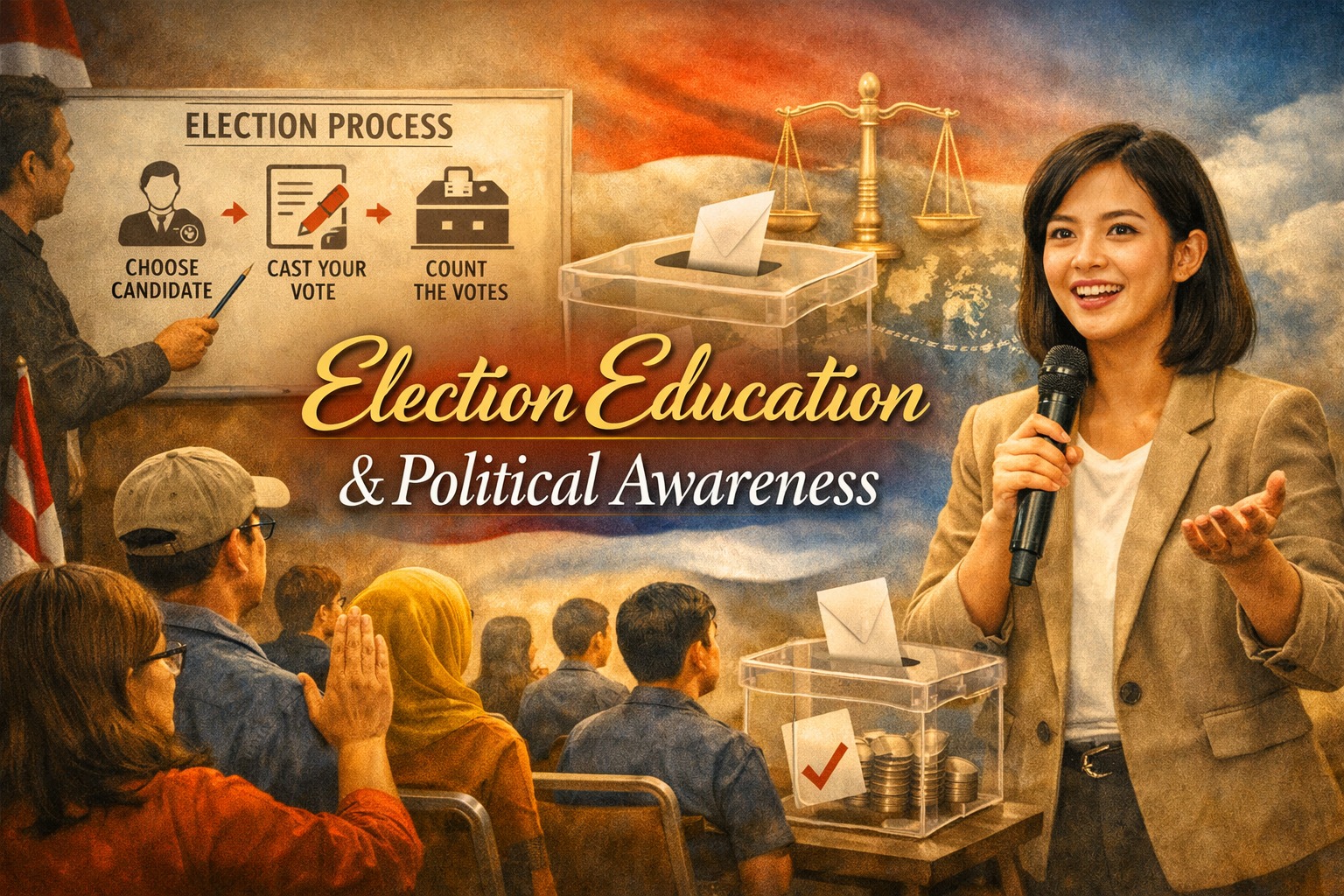
Election education plays a vital role in helping citizens understand the importance of democracy and responsible participation in elections. It provides the knowledge needed to make informed voting decisions while promoting respect for democratic values. A well-informed public is less likely to be influenced by misinformation, political manipulation, or unethical campaign practices. As political awareness increases, citizens become more active in protecting the integrity of elections and supporting accountable leadership. Strengthening public political awareness through election education is therefore essential for building a stable and democratic society.
THE IMPORTANCE OF ELECTION EDUCATION
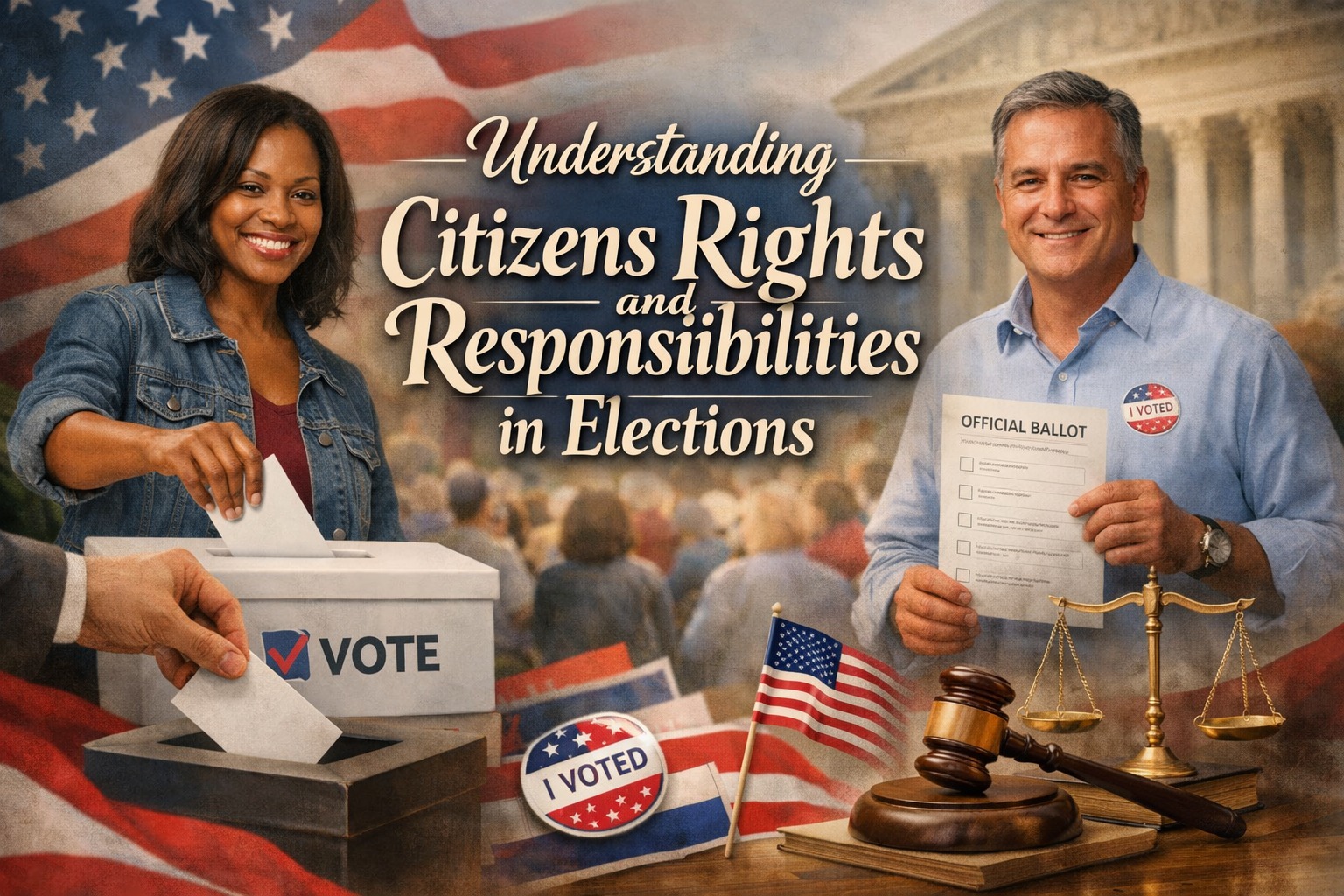
Election education helps citizens understand how democratic systems function and why elections matter. It explains voting procedures, voter rights, election laws, and the responsibilities of both voters and public officials. When people understand the electoral process, they are more confident about participating in elections. This knowledge encourages greater civic engagement and reduces confusion during election periods. Educated voters contribute to stronger democratic institutions.
Beyond explaining election procedures, election education also promotes critical thinking. Citizens learn how to evaluate political information objectively instead of relying on rumors or emotional appeals. They become better prepared to compare candidates based on qualifications and policies. As a result, election education supports informed decision-making and responsible citizenship.
HOW POLITICAL AWARENESS BENEFITS SOCIETY?
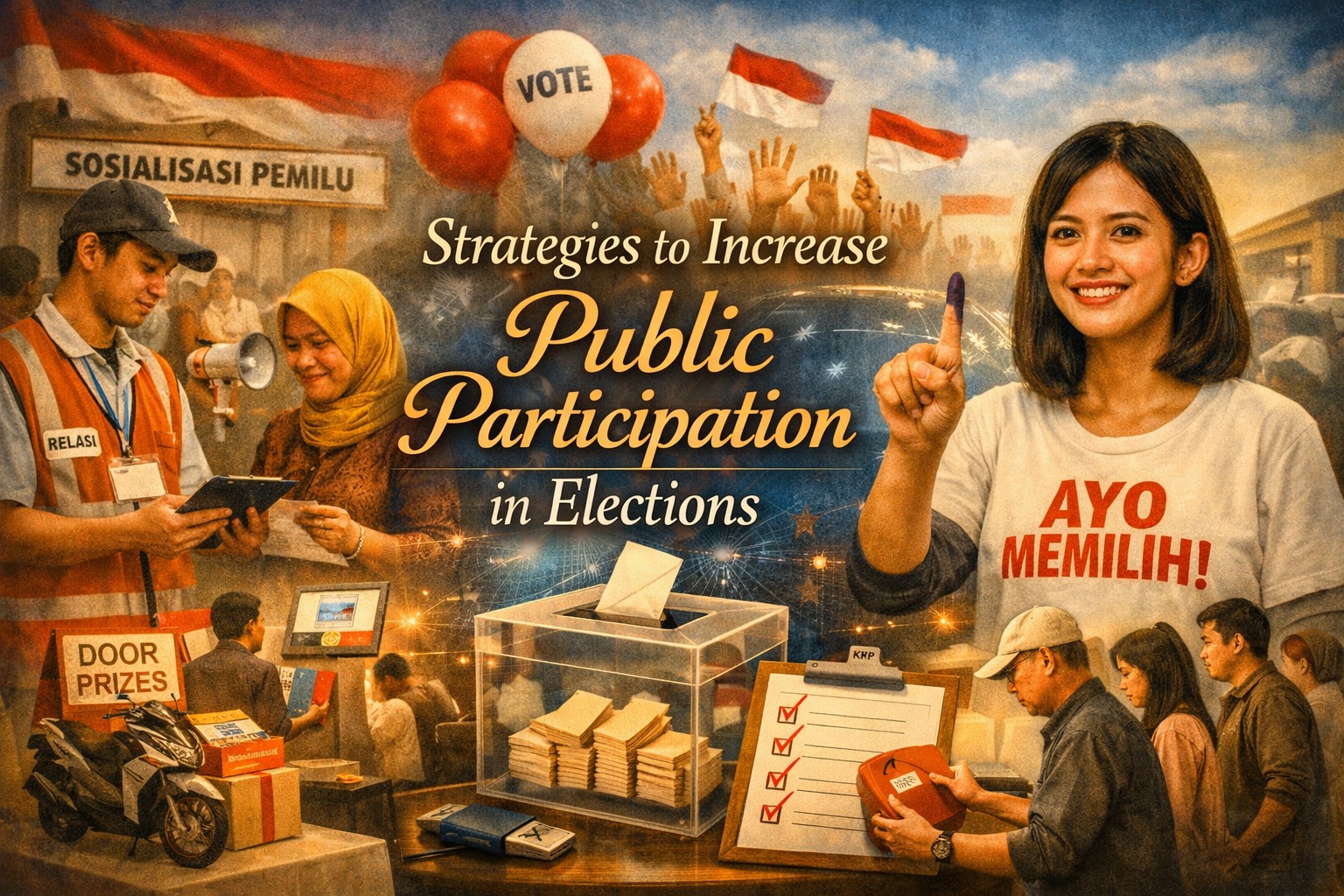
Political awareness enables citizens to understand how government decisions affect their daily lives. Informed individuals are more likely to participate in public discussions, community activities, and elections. They recognize the importance of holding elected leaders accountable for their promises and actions. Active civic participation strengthens democratic governance and improves policy outcomes. Political awareness creates a stronger connection between citizens and government.
Communities with high political awareness also experience greater social responsibility. People become more willing to respect different opinions and resolve political disagreements peacefully. They understand that democracy depends on dialogue, cooperation, and mutual respect. These values contribute to national unity and long-term political stability.
THE ROLE OF ELECTION EDUCATION IN FIGHTING MISINFORMATION
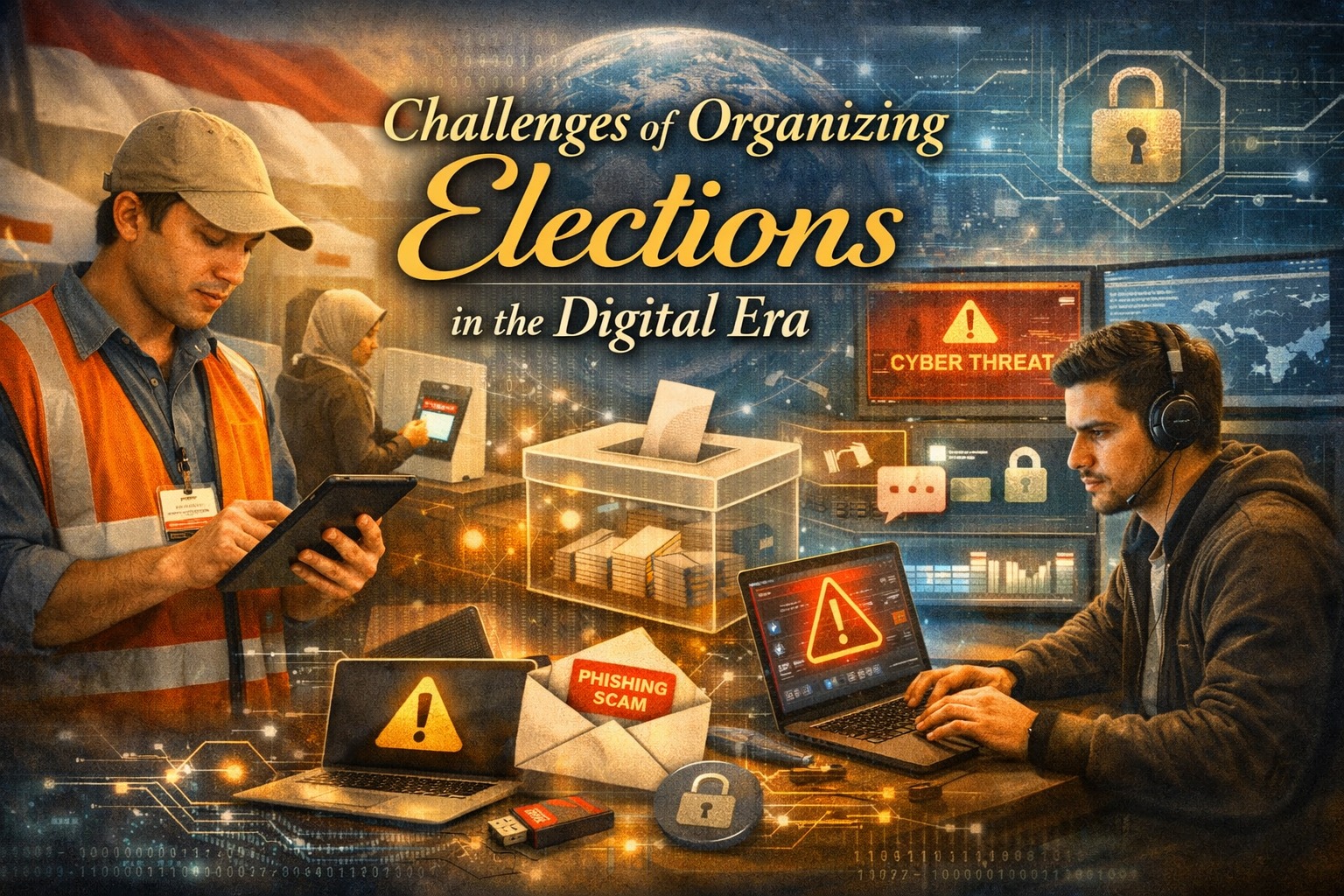
One of the greatest challenges during elections is the spread of misinformation and false political content. Election education teaches citizens how to verify information before accepting or sharing it. Understanding reliable news sources helps reduce the influence of fake news on public opinion. Critical media literacy is becoming increasingly important in the digital era. Well-informed voters are less vulnerable to manipulation.
Election education also encourages responsible use of social media. Citizens learn to identify misleading headlines, manipulated content, and unsupported political claims. Sharing accurate information supports fair public discussions and healthier democratic participation. This contributes to a more transparent and trustworthy election environment.
ENCOURAGING RESPONSIBLE VOTING BEHAVIOR
A major goal of election education is to encourage responsible voting. Citizens should choose candidates based on competence, integrity, and policy proposals rather than personal emotions or financial incentives. Responsible voting strengthens democratic legitimacy and improves government accountability. Every informed vote contributes to better national leadership. Smart voting decisions benefit society as a whole.
Responsible voters also reject unethical practices such as vote buying, intimidation, and political violence. They respect election laws and support peaceful democratic participation. Ethical behavior during elections creates a fair environment for all candidates and voters. This strengthens confidence in the electoral process and democratic institutions.
THE ROLE OF SCHOOLS, MEDIA, AND COMMUNITIES
Schools play an important role in introducing democratic values and civic responsibilities from an early age. Civic education helps students understand elections before they become eligible voters. Teachers can encourage critical thinking and informed political discussions without promoting specific political preferences. Early education builds lifelong democratic awareness. Knowledge gained in school prepares future generations for responsible citizenship.
The media and community organizations also contribute significantly to election education. Trusted media outlets provide accurate election information and fact-based reporting. Community programs, seminars, and public discussions increase political knowledge among adults. Collaboration between educational institutions, the media, and civil society creates a stronger culture of democratic participation.
BUILDING A STRONGER DEMOCRACY THROUGH EDUCATION
A healthy democracy depends on informed and engaged citizens. Continuous civic education helps people understand both their rights and responsibilities throughout the election process. Governments, election authorities, educational institutions, and civil organizations should work together to expand public access to election education. Ongoing learning supports long-term democratic development. Knowledge empowers citizens to make thoughtful political decisions.
As political awareness grows, democratic institutions become more transparent and accountable. Citizens gain greater confidence in elections and participate more actively in shaping public policy. Strong democratic participation leads to more effective governance and sustainable national development. Education remains one of the most powerful tools for protecting democracy.
CONCLUSION
Election education is essential for improving public political awareness and strengthening democratic participation. It equips citizens with the knowledge needed to understand election procedures, evaluate candidates objectively, reject misinformation, and vote responsibly. Educated voters contribute to transparent elections, accountable leadership, and stronger democratic institutions. By investing in civic education through schools, media, and community organizations, societies can build a more informed and engaged electorate. A politically aware public is the foundation of a stable, fair, and successful democracy.
Tentang Penulis
Gusti Ayu Tita P
Penulis — Universitas STEKOM
Penulis aktif yang berfokus pada isu-isu akademik, teknologi pendidikan, dan pengembangan sumber daya manusia di lingkungan kampus.