
How Can Beach Lovers Build a Strong Personal Brand?
Gusti Ayu Tita P
22 September 2026
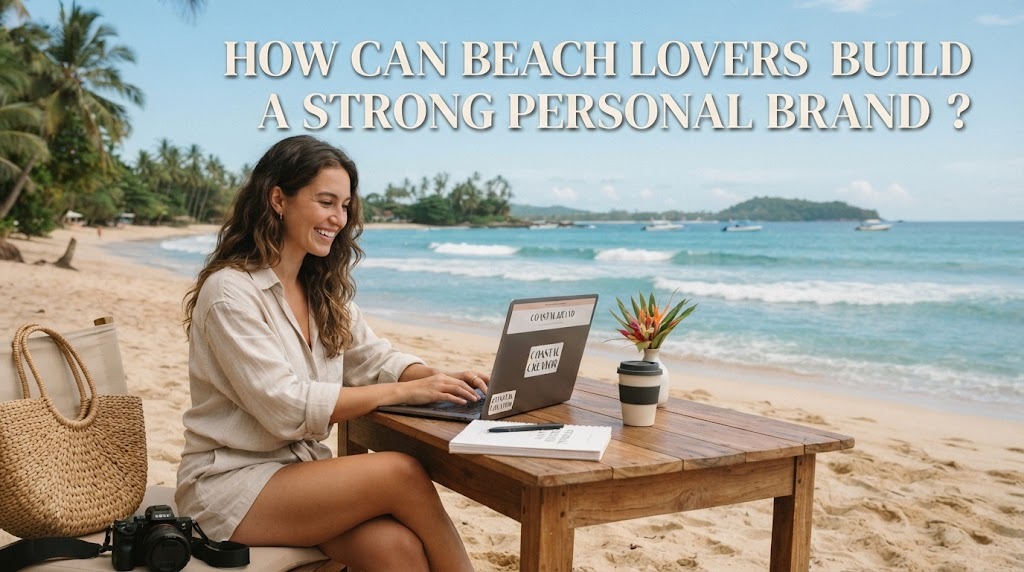
A personal brand represents how people present their skills, interests, values, and professional identity to others. For beach lovers, personal branding can be connected to interests such as travel, tourism, photography, environmental awareness, or digital content. A strong personal brand does not require someone to appear perfect or have a large audience. It is built gradually through consistent work, useful content, and a clear identity.
Beach lovers can use digital platforms to share their experiences and knowledge about coastal destinations. They can create informative articles, photographs, videos, reviews, or educational content about responsible tourism. The most important part is to provide content that reflects genuine interests and offers value to the audience. Consistency can help create a recognizable personal identity over time.
DEFINE YOUR PERSONAL IDENTITY
The first step in personal branding is understanding what you want to be known for. A beach lover may focus on travel experiences, beach photography, tourism information, marine conservation, or outdoor activities. Choosing a clear area of interest can make content easier to organize. It also helps audiences understand what they can expect from your platform.
A personal identity should be based on genuine interests and realistic abilities. Avoid creating an image that does not match your actual values or experience. Instead, focus on strengths that can be developed over time. A clear brand identity can make your online presence more consistent.
CREATE VALUABLE CONTENT
Content is an important part of building a personal brand. Beach lovers can share travel guides, destination information, photography tips, environmental education, or practical beach safety advice. Content should provide useful information rather than simply showing attractive scenery. Educational and entertaining content can help audiences gain something from every post.
Different formats can be used depending on personal skills. Articles can provide detailed information, while photographs and short videos can communicate ideas visually. Social media stories can show daily activities or behind-the-scenes processes. Using different content formats can help reach audiences with different preferences.
MAINTAIN CONSISTENT QUALITY
Consistency is important when building a recognizable personal brand. This includes consistency in topics, posting habits, writing style, visual presentation, and communication. People do not necessarily need to post every day, but maintaining a realistic schedule can help build reliability. Consistent content can gradually strengthen audience recognition.
Quality should also remain a priority. Before publishing content, creators should check spelling, facts, images, captions, and other details. Sharing inaccurate information can reduce audience trust. Taking time to review each piece of content supports a more professional image.
USE SOCIAL MEDIA WISELY
Social media can provide a useful platform for personal branding. Beach lovers can use platforms such as Instagram, TikTok, YouTube, or professional networking platforms depending on their goals. Each platform has different audiences and content formats. Choosing suitable platforms can make a personal branding strategy more focused.
Creators should also communicate respectfully with their audiences. Responding to questions, acknowledging useful feedback, and avoiding unnecessary conflicts can support positive interactions. Social media should be used to build relationships rather than simply collect followers. Good digital communication can strengthen a personal brand.
BUILD CREDIBILITY THROUGH EXPERIENCE
Personal branding becomes stronger when it is supported by real experience. Beach lovers can document projects, volunteer activities, tourism experiences, photography work, or environmental initiatives. These activities provide evidence of skills rather than relying only on personal claims. A collection of real work can become a useful professional portfolio.
Credibility also requires responsible information sharing. When discussing environmental, travel, or safety topics, creators should verify important information before publishing it. They should clearly distinguish personal experiences from general facts. Building credibility takes time, but accurate and responsible content can support audience trust.
DEVELOP A PROFESSIONAL NETWORK
Networking can help beach lovers discover new opportunities related to their interests. They can connect with tourism businesses, photographers, content creators, environmental organizations, local communities, or other professionals. Meaningful relationships can lead to collaborations, projects, internships, or other learning opportunities. Networking should focus on mutual value rather than simply asking for opportunities.
Collaboration can also introduce a personal brand to new audiences. For example, a beach photographer could collaborate with a tourism business, while a content creator could work with an environmental organization. Each collaboration should match the creator's interests and values. Building a relevant professional network can support long-term development.
CONCLUSION
Beach lovers can build a strong personal brand by defining their identity, creating valuable content, maintaining consistency, using social media wisely, gaining real experience, and developing professional networks. A successful personal brand does not depend only on popularity or follower numbers. Authenticity, useful content, credibility, and consistency are important foundations. With patience and continuous improvement, beach interests can become part of a recognizable professional identity.
Tentang Penulis
Gusti Ayu Tita P
Penulis — Universitas STEKOM
Penulis aktif yang berfokus pada isu-isu akademik, teknologi pendidikan, dan pengembangan sumber daya manusia di lingkungan kampus.















