
How Can Childhood Trauma Affect Life in Adulthood?
Gusti Ayu Tita P
21 September 2026
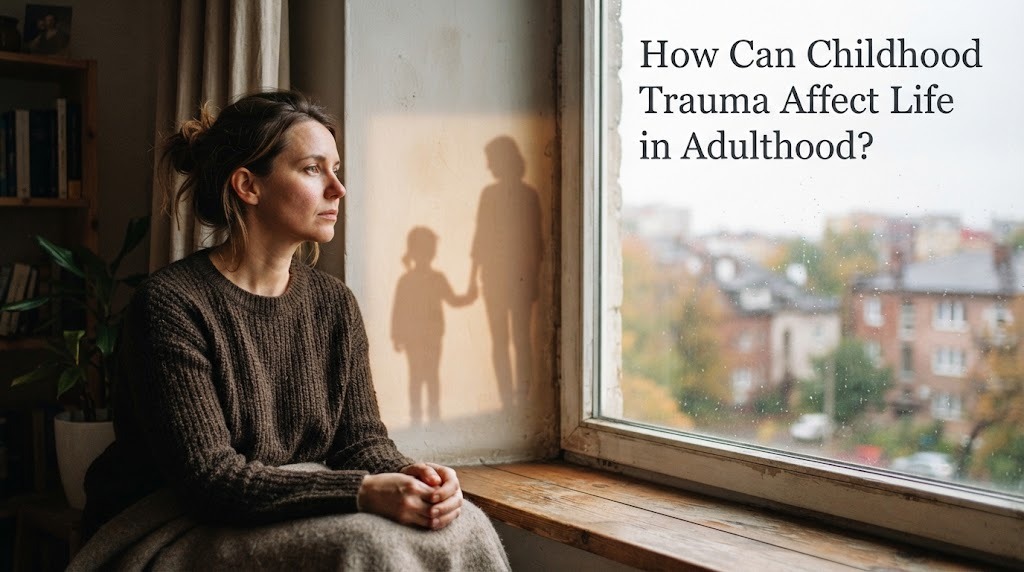
Childhood trauma can have lasting effects on how a person thinks, feels, behaves, and interacts with others. Difficult experiences during childhood may influence emotional development and the way a person responds to stress later in life. However, experiencing trauma in childhood does not mean someone will always struggle as an adult. With understanding, support, and appropriate help, many people can develop healthier ways of coping and build fulfilling lives.
WHAT IS CHILDHOOD TRAUMA?
Childhood trauma refers to deeply distressing or frightening experiences that happen during childhood and can affect a child's sense of safety and emotional well-being. Examples may include abuse, neglect, serious accidents, violence, the loss of a loved one, or exposure to other threatening situations. Repeated exposure to stressful or unsafe environments can also have a significant emotional impact. The effects can vary depending on the child's age, circumstances, support system, and individual response.
Not every difficult childhood experience causes lasting trauma. Children can respond differently to similar situations, and supportive relationships may help reduce the long-term impact of difficult experiences. Trauma becomes especially important to address when its effects continue to influence emotions, relationships, behavior, or daily functioning. Recognizing these effects can be an important part of understanding adult experiences.
HOW CAN CHILDHOOD TRAUMA AFFECT EMOTIONAL HEALTH?
Childhood trauma can influence emotional regulation, making it difficult for some adults to understand or manage strong emotions. They may experience frequent anxiety, fear, sadness, anger, or emotional numbness. Certain situations may also trigger emotional reactions that seem stronger than the situation itself. These responses can sometimes be connected to earlier experiences of feeling unsafe or threatened.
Some adults may also struggle with self-confidence or develop negative beliefs about themselves. They might feel that they are not good enough, responsible for things that were not their fault, or undeserving of care and respect. These beliefs are not inevitable consequences of childhood trauma, but they can develop in some people. Supportive relationships and professional counseling can help individuals develop a more balanced understanding of themselves.
HOW CAN IT AFFECT ADULT RELATIONSHIPS?
Childhood trauma can influence how adults develop trust and emotional connections with other people. Someone may have difficulty trusting others, fear rejection, or become uncomfortable with emotional closeness. Others may become highly dependent on relationships because they strongly fear being abandoned. These patterns can make romantic, family, or friendship relationships more complicated.
Communication can also become difficult when past experiences influence how a person interprets other people's actions. For example, a neutral comment may sometimes feel threatening or critical to someone who has experienced repeated criticism in childhood. This does not mean that every relationship problem comes from childhood trauma. However, understanding personal patterns can help adults communicate more clearly and build healthier relationships.
HOW CAN CHILDHOOD TRAUMA AFFECT STRESS RESPONSES?
Early traumatic experiences can influence the way a person responds to stress. Some adults may remain highly alert to possible danger, while others may avoid situations that remind them of earlier experiences. This can lead to physical tension, sleep difficulties, irritability, or difficulty relaxing. These reactions can occur even when the person is currently in a safe environment.
Stress responses can also affect everyday decisions and behavior. A person may react quickly to conflict, withdraw from difficult situations, or constantly prepare for something bad to happen. Recognizing these patterns can help someone understand that their reactions may have developed as ways of coping with earlier experiences. Professional support can help individuals learn healthier responses to stress and emotional triggers.
CAN CHILDHOOD TRAUMA AFFECT WORK AND EDUCATION?
Childhood trauma may affect concentration, motivation, confidence, and the ability to manage pressure. Some adults may find it difficult to focus when they feel anxious or emotionally overwhelmed. Others may avoid challenges because they are afraid of failure, criticism, or rejection. These difficulties can affect academic progress, workplace performance, and career development.
However, childhood trauma does not determine a person's educational or professional future. Many people who experienced difficult childhoods develop successful careers and strong coping skills. Supportive environments, healthy relationships, practical coping strategies, and access to professional help can make a meaningful difference. Understanding personal challenges can also help adults find strategies that support their goals.
CAN CHILDHOOD TRAUMA AFFECT PHYSICAL HEALTH?
The effects of childhood trauma are not limited to emotions and relationships. Long-term exposure to severe stress during childhood may be associated with difficulties involving sleep, stress regulation, and overall physical well-being. Adults who experienced childhood trauma may also develop unhealthy coping behaviors, such as avoiding problems or relying on harmful habits. However, these outcomes are not unavoidable, and many other factors influence adult health.
Taking care of basic physical needs can support recovery and emotional stability. Regular sleep, nutritious food, physical activity, social connection, and appropriate medical care can contribute to overall well-being. Adults should also avoid blaming themselves for physical or emotional difficulties connected to past experiences. Professional medical or mental health support can help address concerns based on an individual's specific situation.
CAN ADULTS HEAL FROM CHILDHOOD TRAUMA?
Healing from childhood trauma is possible, although recovery can take time and may look different for each person. Adults can learn to recognize emotional triggers, understand unhealthy patterns, and develop safer ways of responding to stress. A supportive relationship with trusted people can also provide a sense of safety and connection. Professional mental health care may be especially helpful when trauma symptoms interfere with daily life.
Recovery does not necessarily mean forgetting what happened. Instead, it can involve developing a healthier relationship with the past so that earlier experiences have less control over present decisions and emotions. Progress may happen gradually, with periods of improvement and difficulty. With appropriate support and patience, people can build healthier relationships, stronger emotional skills, and a meaningful adult life.
WHEN SHOULD SOMEONE SEEK PROFESSIONAL HELP?
Professional help may be useful when childhood experiences continue to cause significant distress or interfere with relationships, work, education, sleep, or everyday activities. Persistent anxiety, emotional numbness, intense reactions to reminders, severe avoidance, or recurring distressing memories can be reasons to seek support. A qualified mental health professional can assess the person's experiences and current symptoms. They can then recommend appropriate treatment or coping strategies based on individual needs.
Seeking help is not a sign of weakness. Childhood trauma can involve complex emotional responses, and trying to handle everything alone may not always be effective. Talking with a qualified professional can provide a safe space to understand these experiences and work toward healthier patterns.
CONCLUSION
Childhood trauma can influence emotional health, relationships, stress responses, education, work, and overall well-being in adulthood. However, its effects are not the same for everyone, and a difficult childhood does not determine a person's future. Adults can learn healthier coping skills, develop supportive relationships, and seek professional help when needed. Understanding the connection between past experiences and present reactions can be an important step toward positive change. With appropriate support and time, many people can build stable, meaningful, and fulfilling lives.
Tentang Penulis
Gusti Ayu Tita P
Penulis — Universitas STEKOM
Penulis aktif yang berfokus pada isu-isu akademik, teknologi pendidikan, dan pengembangan sumber daya manusia di lingkungan kampus.















