
How Can Disorders Affect Self Confidence?
Gusti Ayu Tita P
22 September 2026
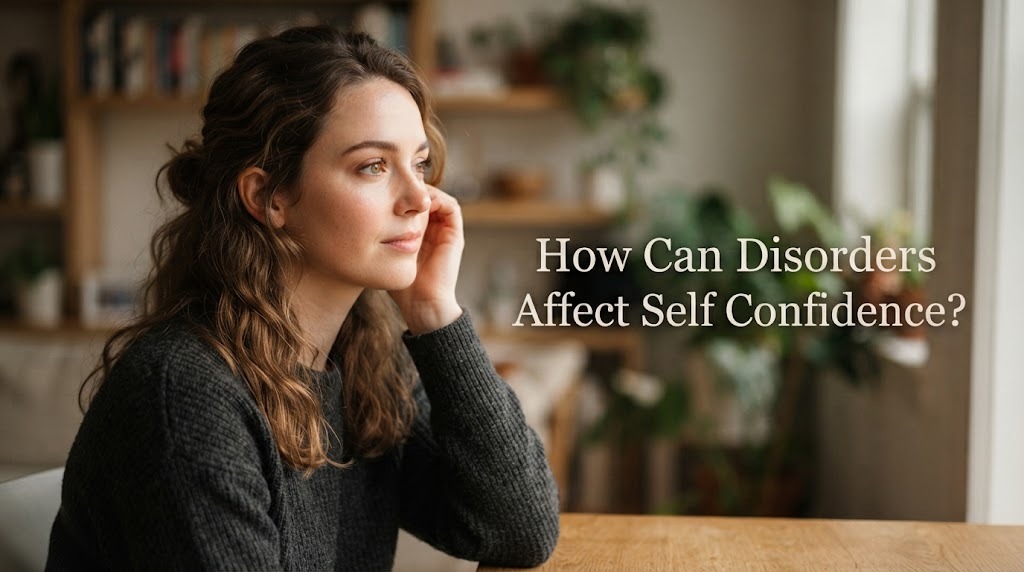
Disorders can affect many parts of a person’s life, including emotions, behavior, learning, communication, and relationships. When someone experiences difficulties because of a disorder, they may also begin to question their abilities and value. Repeated challenges, negative reactions from others, or difficulty completing everyday tasks can gradually affect self confidence. However, having a disorder does not mean a person has less potential or ability to succeed. With proper support and understanding, self confidence can be developed over time.
HOW DISORDERS CAN AFFECT SELF CONFIDENCE
A disorder may make certain daily activities more difficult, which can lead a person to feel frustrated or disappointed with themselves. For example, difficulties with communication, concentration, learning, movement, or emotional regulation may create challenges at school, work, or home. When these experiences happen repeatedly, a person may start believing that they are not capable enough. This negative belief can gradually reduce self confidence. The impact can be different for every individual depending on their condition and environment.
NEGATIVE EXPERIENCES CAN LOWER SELF CONFIDENCE
People with disorders may sometimes experience criticism, rejection, bullying, discrimination, or misunderstanding from others. These experiences can make someone feel different or excluded from their social environment. Repeated negative comments may become internalized and affect the way a person sees themselves. They may become afraid of making mistakes because they expect other people to judge them. Over time, this fear can make it harder to participate in social, academic, or professional situations.
COMPARING YOURSELF WITH OTHERS
Comparison can also affect self confidence, especially when a person feels that they cannot perform certain tasks as easily as others. Seeing other people achieve something quickly may create feelings of inadequacy or disappointment. Social media can sometimes make this problem stronger because people often see idealized versions of other people’s lives. However, every person has different abilities, challenges, and circumstances. Focusing on personal progress rather than constant comparison can help create a healthier view of oneself.
DISORDERS AND FEAR OF FAILURE
A person who has experienced repeated difficulties may become afraid of failing again. This fear can lead them to avoid activities, conversations, challenges, or opportunities that could help them grow. Avoidance may provide temporary comfort, but it can also prevent the person from discovering their abilities. Small and realistic challenges can help someone gradually rebuild confidence. Recognizing effort and progress is often more helpful than focusing only on the final result.
THE ROLE OF FAMILY AND FRIENDS
Support from family and friends can have an important influence on self confidence. Encouragement, patience, and respectful communication can help a person feel accepted and valued. Instead of focusing only on limitations, supportive people can recognize strengths and celebrate meaningful progress. It is also important to avoid treating someone as incapable simply because they have a disorder. A supportive environment can give individuals more confidence to try new things and develop their abilities.
PROFESSIONAL SUPPORT FOR SELF CONFIDENCE
Professional support may be useful when low self confidence is strongly connected to emotional difficulties or the challenges of a disorder. A psychologist, counselor, therapist, or other qualified professional can help a person understand negative thoughts and develop healthier coping strategies. Therapy may also help individuals improve communication, emotional regulation, problem-solving, or social skills depending on their needs. Professional support does not mean that a person is weak. Seeking appropriate help can be an important step toward greater independence and self confidence.
BUILDING SELF CONFIDENCE GRADUALLY
Self confidence usually develops through repeated positive experiences rather than one major change. Setting realistic goals can help a person experience small successes and recognize their own abilities. Learning new skills, participating in meaningful activities, and maintaining supportive relationships can also contribute to confidence. It is important to accept that setbacks may happen during the process. Progress should be measured by personal development rather than by comparing oneself with other people.
CREATING AN INCLUSIVE ENVIRONMENT
An inclusive environment can make a significant difference in how a person views themselves. Schools, workplaces, families, and communities can provide reasonable support and avoid unnecessary judgment or discrimination. Giving people opportunities to participate and contribute allows them to demonstrate their abilities. Respectful treatment can also reduce the fear of being rejected or embarrassed. When people feel accepted, they may become more comfortable expressing themselves and developing their strengths.
CONCLUSION
Disorders can affect self confidence when a person repeatedly experiences difficulties, criticism, rejection, comparison, or fear of failure. However, the presence of a disorder does not determine a person’s value or future potential. Supportive relationships, professional assistance, realistic goals, and an inclusive environment can help rebuild confidence. With time and appropriate support, individuals can recognize their strengths and become more comfortable with their abilities.
Tentang Penulis
Gusti Ayu Tita P
Penulis — Universitas STEKOM
Penulis aktif yang berfokus pada isu-isu akademik, teknologi pendidikan, dan pengembangan sumber daya manusia di lingkungan kampus.















