How Can Genetic Disorder Symptoms Be Recognized Early?
Gusti Ayu Tita P
22 September 2026
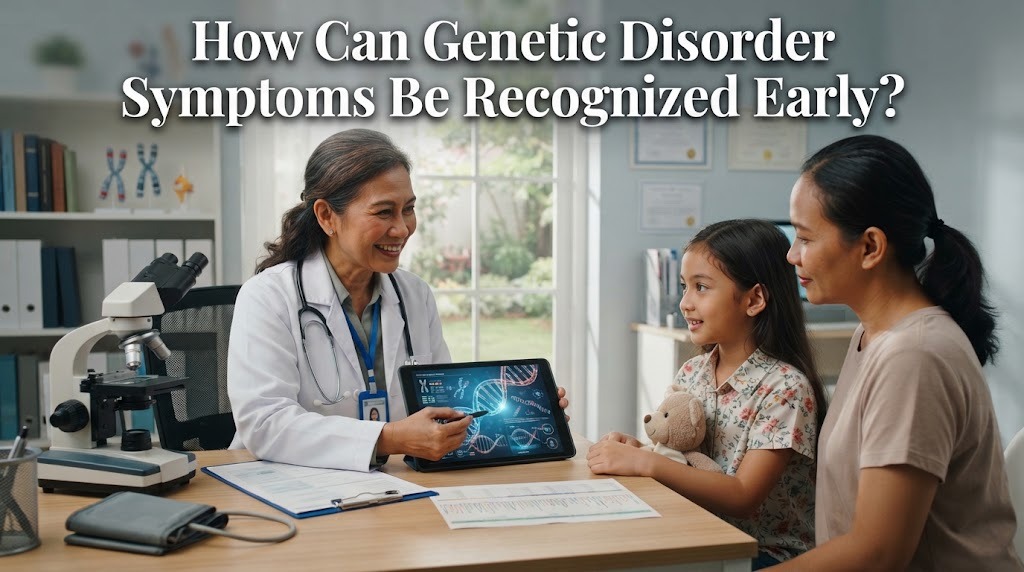
Recognizing genetic disorder symptoms early can help individuals receive appropriate medical evaluation and support. Some genetic conditions cause noticeable signs during infancy or childhood, while others may not become apparent until adolescence or adulthood. Symptoms can also vary widely because different genetic disorders affect different organs and biological processes. Some signs may resemble common health problems, making diagnosis difficult without professional assessment. Knowing the possible warning signs can encourage people to seek medical advice when something unusual or persistent occurs.
WHAT ARE COMMON EARLY SIGNS OF GENETIC DISORDERS?
Early signs of a genetic disorder depend on the specific condition and the body systems involved. Possible signs can include unusual growth patterns, developmental delays, differences in physical development, recurring health problems, or difficulties affecting movement, learning, hearing, or vision. Some children may also experience symptoms involving the heart, digestive system, muscles, or nervous system. However, these signs can have many causes that are not genetic.
In adults, possible indicators may include unexplained medical problems, unusual laboratory findings, or a condition that occurs unusually early in life. A strong family history of a particular disorder can also provide an important clue. One symptom alone does not confirm a genetic disorder, so persistent or unusual symptoms should be evaluated by a healthcare professional rather than self-diagnosed.
WHY IS DEVELOPMENTAL DELAY AN IMPORTANT SIGN?
Developmental delays can sometimes be associated with genetic conditions, particularly when a child has difficulty reaching expected milestones in areas such as movement, speech, learning, or social development. The timing of development naturally varies between children, so a small difference does not automatically indicate a medical disorder. Doctors consider the overall developmental pattern rather than focusing on one milestone alone.
When delays are persistent or occur together with other unusual features, further evaluation may be appropriate. A healthcare professional may assess the child's development, medical history, physical characteristics, and family history. In some cases, this evaluation can lead to additional testing, including genetic testing, when a genetic cause is suspected.
CAN GROWTH AND PHYSICAL FEATURES PROVIDE CLUES?
Changes in growth and physical development can sometimes provide clues to an underlying genetic condition. These may include unusually slow or rapid growth, differences in head size, or distinctive physical features associated with certain syndromes. Growth patterns are normally influenced by many factors, including nutrition, hormones, overall health, and family characteristics. Therefore, an unusual measurement does not automatically mean that a child has a genetic disorder.
Doctors typically compare growth measurements over time rather than relying on a single measurement. They may also examine whether several physical findings occur together. When multiple unusual features are present, a healthcare professional may consider whether further investigation is needed. Early clinical evaluation can help distinguish normal variation from signs that require additional assessment.
DOES FAMILY HISTORY HELP IDENTIFY GENETIC RISK?
A detailed family medical history can provide valuable information when a genetic disorder is suspected. Doctors may ask whether close relatives have experienced similar symptoms, unexplained early illness, developmental conditions, or a confirmed genetic diagnosis. A pattern affecting several relatives across generations can sometimes suggest a particular inheritance pattern. However, the absence of affected relatives does not completely rule out a genetic condition.
Some genetic disorders can result from a new genetic change that was not inherited from either parent. Other conditions may have mild symptoms in previous generations or may never have been diagnosed. This is why family history is useful but should not be considered proof by itself. Combining family information with clinical evaluation can provide a clearer picture of potential genetic risk.
WHEN SHOULD GENETIC TESTING BE CONSIDERED?
Genetic testing may be considered when a healthcare professional suspects a genetic condition based on symptoms, physical findings, family history, or other medical information. Different tests examine different parts of genetic material, including individual genes, groups of genes, or chromosomes. The most appropriate test depends on the suspected condition and the information available.
Genetic testing should be interpreted carefully because a test result does not always provide a simple yes or no answer. Some variants have uncertain significance, while others may increase disease risk without guaranteeing that a person will develop a condition. Genetic counseling can help individuals and families understand the purpose and limitations of testing before and after the test.
WHY IS EARLY MEDICAL EVALUATION IMPORTANT?
Early evaluation can be valuable because some genetic disorders may benefit from early monitoring or treatment. Depending on the condition, healthcare professionals may recommend regular checks of specific organs, developmental assessments, dietary management, medication, therapy, or other supportive care. Early recognition may also help families understand what symptoms to monitor over time.
However, early evaluation does not mean that every unusual symptom requires genetic testing. Doctors usually begin by considering the person's complete medical picture and determining whether testing is appropriate. Accurate diagnosis is important because symptoms associated with genetic disorders can overlap with many other medical conditions. Professional evaluation helps reduce unnecessary testing and supports appropriate care.
HOW CAN PEOPLE RESPOND TO POSSIBLE WARNING SIGNS?
People who notice persistent, unusual, or multiple health concerns should discuss them with a qualified healthcare professional. Keeping a record of symptoms, developmental changes, previous diagnoses, and relevant family medical history can make the consultation more useful. If a genetic condition is suspected, a doctor may recommend referral to a genetic specialist or genetic counselor.
Families should avoid assuming that a specific symptom automatically means a genetic disorder. Online information can provide general education, but it cannot replace a medical examination or appropriate diagnostic testing. Early awareness, professional evaluation, and accurate genetic information can help individuals understand possible causes and receive suitable care when necessary.
CONCLUSION
Recognizing genetic disorder symptoms early involves paying attention to unusual or persistent patterns in development, growth, physical characteristics, and health. A relevant family history can provide additional clues, although genetic conditions can also occur without previous cases in a family. Genetic testing and genetic counseling may help when a healthcare professional suspects an underlying genetic cause. Early evaluation can support appropriate monitoring and treatment for conditions where early intervention is beneficial. Most importantly, symptoms should be assessed in their full medical context rather than used alone to diagnose a genetic disorder
Tentang Penulis
Gusti Ayu Tita P
Penulis — Universitas STEKOM
Penulis aktif yang berfokus pada isu-isu akademik, teknologi pendidikan, dan pengembangan sumber daya manusia di lingkungan kampus.