How Can You Control Frustration When Facing Problems?
Gusti Ayu Tita P
21 September 2026
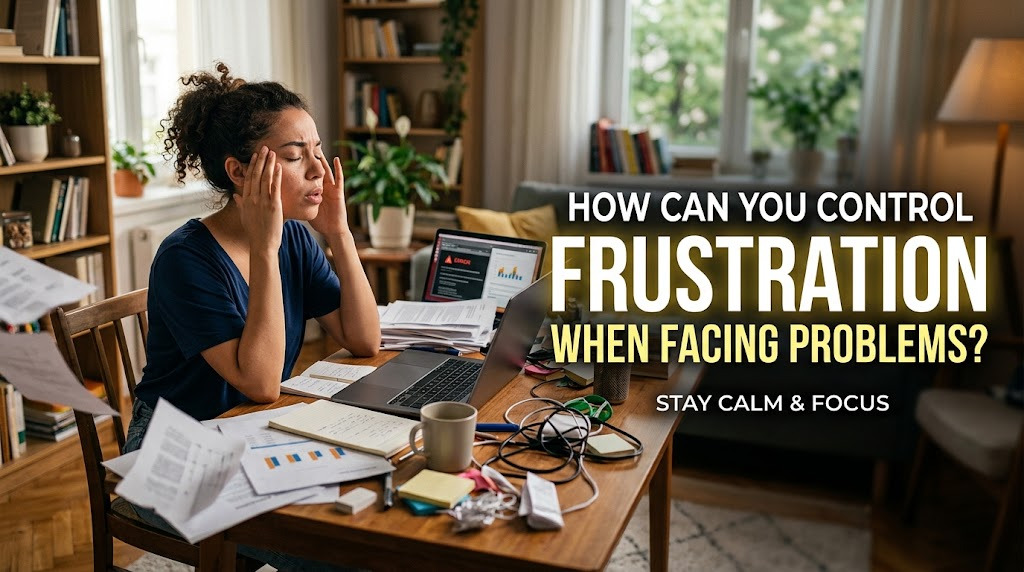
Frustration can appear when someone faces obstacles, unexpected situations, or problems that do not have an immediate solution. When difficulties continue, emotions may become stronger and make it harder to think clearly. Learning how to control frustration can help a person respond to problems more calmly and choose practical steps instead of reacting only to emotions.
Managing frustration does not mean ignoring difficult feelings or pretending that everything is fine. Instead, it involves recognizing the emotion, understanding its cause, and finding a healthier way to respond. With good emotional management, difficult situations can become easier to handle gradually.
IDENTIFY THE CAUSE OF FRUSTRATION
The first step to control frustration is identifying what is actually causing it. Frustration may come from an unexpected result, a difficult task, communication problems, repeated mistakes, or a goal that feels difficult to reach. Understanding the source can make the problem feel more manageable because attention can be directed toward a specific issue.
It is also useful to separate the actual problem from assumptions about the situation. For example, someone may feel frustrated because a task is taking longer than expected, but the real issue could be unclear instructions or an unrealistic deadline. By identifying the main cause, a person can determine which part of the situation can be changed and which part needs to be accepted.
TAKE TIME TO CALM DOWN
When frustration becomes intense, taking a short pause can help reduce emotional pressure. Continuing to deal with a problem while feeling extremely irritated may make it harder to think objectively. A simple break, quiet moment, or change of activity can give the mind an opportunity to settle before returning to the problem.
Calming down does not mean avoiding the problem completely. Instead, it creates space to process emotions before taking further action. Practicing emotional regulation through slow breathing, resting briefly, or stepping away from a stressful situation can help a person return with a clearer perspective.
CHANGE THE WAY YOU VIEW THE PROBLEM
Another way to manage frustration when facing problems is to reconsider how the situation is viewed. A difficult experience may feel like a complete failure when someone is focused only on the unwanted result. Looking at the situation as an opportunity to learn or identify what needs to change can create a more balanced perspective.
It can also help to focus on what is within personal control. Not every part of a problem can be changed, but there may be smaller actions that can still be taken. Breaking a large challenge into manageable steps can reduce feelings of being overwhelmed and make it easier to continue working toward a solution.
SOLVE THE PROBLEM STEP BY STEP AND SEEK SUPPORT
Once emotions become more manageable, the next step is to create a realistic plan. Start by deciding which part of the problem needs attention first, then complete one manageable action before moving to the next. This approach can make problem solving feel more achievable and prevent frustration from becoming even more overwhelming.
Seeking support can also be useful when a problem is difficult to handle alone. Talking with a trusted person can provide another perspective, practical suggestions, or simply a chance to express feelings in a healthy way. Support does not remove the problem immediately, but it can make the process of managing frustration feel less difficult.
CONCLUSION
Learning how to control frustration when facing problems begins with recognizing its cause and giving yourself time to calm down. Changing the way a problem is viewed can also help create a more balanced response. Instead of focusing only on the unwanted result, it is useful to identify what can be controlled and what steps can realistically be taken.
Frustration is a normal emotional response, especially when someone encounters obstacles or repeated difficulties. By practicing emotional management, solving problems gradually, and seeking appropriate support, a person can respond to challenging situations more calmly. These habits can also help build better coping skills for future problems.
Tentang Penulis
Gusti Ayu Tita P
Penulis — Universitas STEKOM
Penulis aktif yang berfokus pada isu-isu akademik, teknologi pendidikan, dan pengembangan sumber daya manusia di lingkungan kampus.