How Can You Make Peace with Yourself When Experiencing Inner Conflict?
Gusti Ayu Tita P
21 September 2026
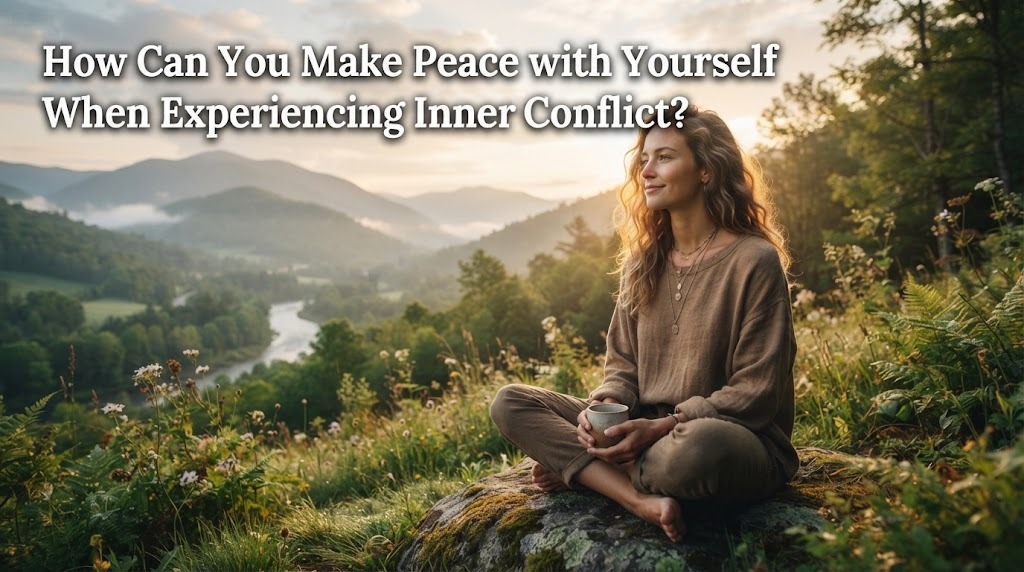
Inner conflict can make a person feel divided between different thoughts, emotions, values, or desires. One part of the mind may want one thing, while another part wants something completely different. This situation can create emotional tension, self-doubt, overthinking, and difficulty finding peace. When the conflict continues, a person may begin to question their decisions and feelings.
Making peace with yourself does not mean forcing every conflicting thought to disappear. Instead, it means understanding what is happening inside, accepting your feelings, and learning to make decisions without constantly blaming yourself. With greater self-awareness and patience, inner conflict can become easier to manage.
WHY IS IT IMPORTANT TO UNDERSTAND YOUR INNER CONFLICT?
Understanding inner conflict is an important first step toward finding peace with yourself. A person may feel uncomfortable without knowing exactly why they feel that way. By identifying the thoughts, emotions, values, and expectations involved, the source of the conflict can become clearer. This can reduce the feeling of being mentally overwhelmed.
Self-understanding also helps a person recognize that conflicting feelings are not always a sign of weakness. It is possible to care about two different things at the same time. For example, someone may want personal freedom while also wanting to meet family responsibilities. Recognizing these competing needs can make the situation easier to understand and manage.
HOW CAN ACCEPTING YOUR FEELINGS REDUCE INNER CONFLICT?
Accepting your feelings means allowing yourself to recognize emotions without immediately judging them. Feelings such as fear, disappointment, guilt, anger, or uncertainty can appear during difficult situations. Trying to suppress them may cause the conflict to remain unresolved. Instead, acknowledging these emotions can provide useful information about what matters to you.
Acceptance does not mean that every emotion should control your actions. A person can recognize a feeling while still making a thoughtful decision based on facts and personal values. Emotional acceptance creates space to understand the feeling before responding to it. This can gradually reduce emotional pressure and create greater inner calm.
WHY SHOULD YOU STOP BLAMING YOURSELF FOR FEELING CONFLICTED?
People sometimes blame themselves when they cannot make a quick or clear decision. They may think they are too weak, confused, or incapable of handling the situation. However, inner conflict can happen because several important concerns are competing at the same time. Being conflicted does not automatically mean that someone has failed.
Self-blame can also make the conflict stronger. Instead of understanding the situation, the person becomes focused on criticizing themselves. Practicing self-compassion allows someone to acknowledge that difficult decisions can take time. Treating yourself with patience can make it easier to examine the problem without unnecessary emotional pressure.
HOW CAN YOU SEPARATE YOUR OWN DESIRES FROM OTHER PEOPLE'S EXPECTATIONS?
Inner conflict can become stronger when personal desires are mixed with the expectations of family, friends, coworkers, or society. A person may want one thing but feel that they should choose something else to make others happy. Over time, this can create uncertainty about what they actually want. Identifying these different influences can provide greater clarity.
One useful approach is to ask yourself what you would choose if external pressure were reduced. This does not mean ignoring other people's needs or responsibilities. Instead, it helps distinguish personal values from external expectations. Understanding this difference can make decisions feel more authentic and reduce unnecessary internal pressure.
HOW CAN FORGIVING YOURSELF HELP YOU FIND PEACE?
Forgiving yourself can be important when inner conflict is connected to past mistakes or decisions. A person may repeatedly think about what they should have done differently. While learning from the past is valuable, constantly punishing yourself does not change what already happened. Self-forgiveness can help separate useful lessons from unnecessary guilt.
Forgiving yourself does not mean pretending that a mistake had no consequences. It means accepting that you made a decision based on the knowledge, emotions, and circumstances you had at that time. You can take responsibility, learn from the experience, and still allow yourself to move forward. This process can reduce emotional pressure and support healthier self-understanding.
WHAT CAN YOU DO TO BUILD INNER PEACE?
Building inner peace often requires small and consistent steps rather than one major change. Writing down your thoughts can help organize conflicting ideas and make hidden concerns easier to identify. Taking a break from constant analysis can also give your mind space to rest. Activities such as walking, breathing exercises, journaling, or spending quiet time can support emotional balance.
It can also be helpful to focus on what you can control instead of repeatedly worrying about uncertain outcomes. Talking with a trusted person may provide another perspective when the conflict feels difficult to understand alone. Inner peace develops through self-awareness, acceptance, patience, and realistic thinking. If inner conflict consistently interferes with daily functioning or well-being, seeking appropriate professional support can also be a constructive step.
CONCLUSION
Making peace with yourself during inner conflict begins with understanding your feelings instead of fighting against them. Accepting emotions, reducing self-blame, separating personal desires from external expectations, and forgiving past mistakes can help reduce internal pressure. You do not need to have every answer immediately to move forward. Through self-awareness, self-compassion, acceptance, and balanced thinking, you can gradually develop greater peace with yourself while facing difficult situations.
Tentang Penulis
Gusti Ayu Tita P
Penulis — Universitas STEKOM
Penulis aktif yang berfokus pada isu-isu akademik, teknologi pendidikan, dan pengembangan sumber daya manusia di lingkungan kampus.