
How Can You Recognize the Signs of a Disorder?
Gusti Ayu Tita P
22 September 2026
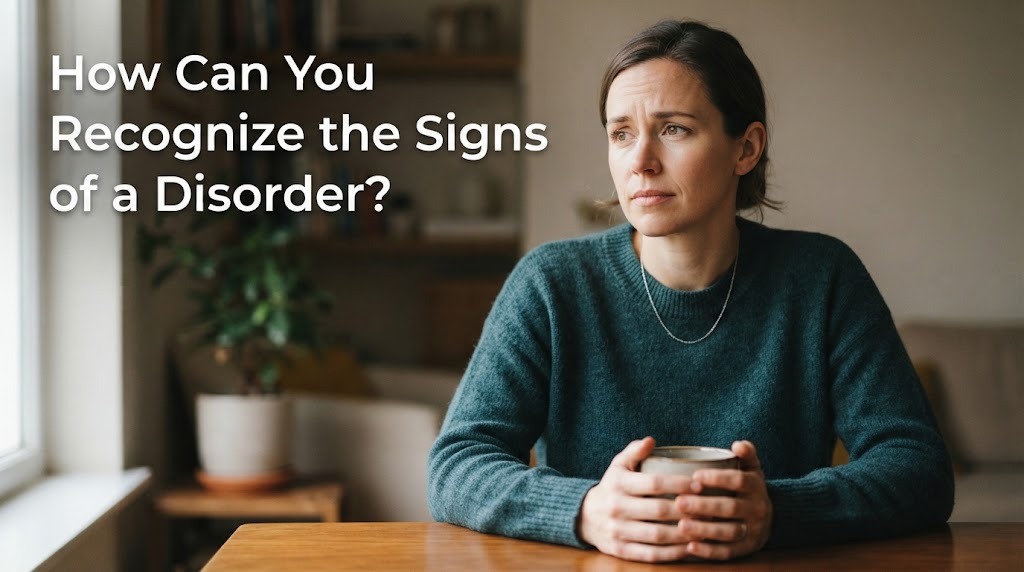
Recognizing the signs of a disorder can help a person understand changes in their physical, emotional, behavioral, or daily functioning. A disorder may affect people in different ways, and its symptoms can range from mild to severe. Some signs may appear suddenly, while others develop gradually over time. Understanding common warning signs can encourage people to seek appropriate help before the condition becomes more difficult to manage.
It is important to remember that experiencing one or two symptoms does not automatically mean someone has a disorder. Similar symptoms can occur because of stress, temporary illness, lack of sleep, medication effects, or other conditions. A proper evaluation by a qualified healthcare professional is needed to understand the actual cause.
CHANGES IN DAILY BEHAVIOR
One of the signs that may indicate a disorder is a noticeable change in everyday behavior. A person may suddenly lose interest in activities they previously enjoyed, avoid social situations, or have difficulty completing normal responsibilities. Changes in sleeping, eating, personal hygiene, or daily routines may also be noticeable. These changes become more important when they continue for a long period or interfere with everyday life.
Behavioral changes can be difficult to recognize because they may develop slowly. Family members, friends, teachers, or coworkers may notice these changes before the person does. Paying attention to significant and persistent changes can help identify when professional support may be needed.
UNUSUAL EMOTIONAL CHANGES
Emotional changes can also be an important warning sign. A person may experience prolonged sadness, excessive worry, irritability, fear, anger, or emotional reactions that seem difficult to control. Some people may become unusually withdrawn or lose interest in communicating with others. These emotional changes should receive attention when they are persistent or begin to affect relationships and daily responsibilities.
Everyone experiences difficult emotions from time to time, so temporary sadness or stress does not necessarily indicate a disorder. The concern becomes greater when emotional changes are intense, frequent, or continue despite efforts to cope. Professional assessment can help determine whether the symptoms are related to a disorder or another situation.
CHANGES IN THINKING AND CONCENTRATION
Problems with concentration, memory, or decision-making can sometimes be associated with certain disorders. A person may find it difficult to focus on school, work, conversations, or simple daily tasks. They may also experience persistent negative thoughts, confusion, excessive worry, or difficulty organizing their activities. These changes can affect productivity and make ordinary responsibilities feel much harder.
However, concentration problems can also result from sleep deprivation, stress, physical illness, medication effects, or other temporary conditions. Therefore, these symptoms should not be used alone to determine whether someone has a disorder. A healthcare professional can evaluate the symptoms together with the person's medical history and daily circumstances.
PHYSICAL AND SLEEP RELATED CHANGES
Some disorders can cause noticeable physical changes. These may include unexplained tiredness, changes in appetite, headaches, body tension, changes in weight, or other physical complaints. Sleep problems are also important, including difficulty falling asleep, waking frequently, sleeping excessively, or feeling tired despite getting enough sleep.
Physical symptoms can have many possible causes, so they should not automatically be considered signs of a mental or behavioral disorder. Persistent or unexplained physical changes should be discussed with a healthcare professional. A proper examination can help identify whether the symptoms are related to a physical condition, psychological factors, medication, or another cause.
DIFFICULTIES IN SOCIAL RELATIONSHIPS
A disorder may sometimes affect the way a person interacts with family, friends, classmates, or coworkers. Someone who was previously socially active may begin avoiding conversations, gatherings, or other activities. Frequent conflicts, unusual reactions, or difficulty communicating may also become more noticeable. These changes can lead to loneliness and make it harder for the person to receive support.
Social difficulties do not always mean that a person has a disorder. People can temporarily withdraw because of stress, personal problems, academic pressure, work demands, or major life changes. The pattern becomes more concerning when the changes are persistent, severe, and significantly interfere with important relationships.
WHEN SHOULD YOU SEEK PROFESSIONAL HELP?
Professional help may be appropriate when symptoms continue, become more severe, or interfere with daily activities. A person should consider seeking an evaluation if changes in behavior, emotions, thinking, physical health, or relationships are difficult to manage. Support may also be important when symptoms make it difficult to study, work, maintain relationships, or care for oneself.
In situations involving immediate danger, severe physical symptoms, loss of consciousness, serious breathing difficulties, or thoughts of self-harm, urgent medical assistance should be sought. Early professional support can help identify possible causes and determine appropriate treatment or management. Asking for help is a practical step toward understanding a health problem and improving daily functioning.
HOW CAN A DISORDER BE IDENTIFIED?
Identifying a disorder usually involves more than looking at a single symptom. A healthcare professional may ask about symptoms, their duration, changes over time, medical history, medications, lifestyle, and their impact on daily activities. Depending on the situation, physical examinations, psychological assessments, laboratory tests, or other evaluations may also be considered.
The purpose of an assessment is to understand the overall pattern and rule out other possible causes. Different disorders can have similar symptoms, while the same disorder can appear differently in different people. For this reason, self-diagnosis based on online information should be avoided.
CONCLUSION
Recognizing the signs of a disorder starts with paying attention to meaningful and persistent changes in behavior, emotions, thinking, physical health, sleep, and social relationships. A single symptom does not automatically mean that someone has a disorder because many symptoms can have different causes. When changes continue or interfere with daily life, professional evaluation can provide a clearer understanding of the situation. Early attention and appropriate support can help a person manage difficulties and maintain a better quality of life.
Tentang Penulis
Gusti Ayu Tita P
Penulis — Universitas STEKOM
Penulis aktif yang berfokus pada isu-isu akademik, teknologi pendidikan, dan pengembangan sumber daya manusia di lingkungan kampus.















