How Can You Report Problems With Social Assistance Distribution?
Gusti Ayu Tita P
1 September 2026
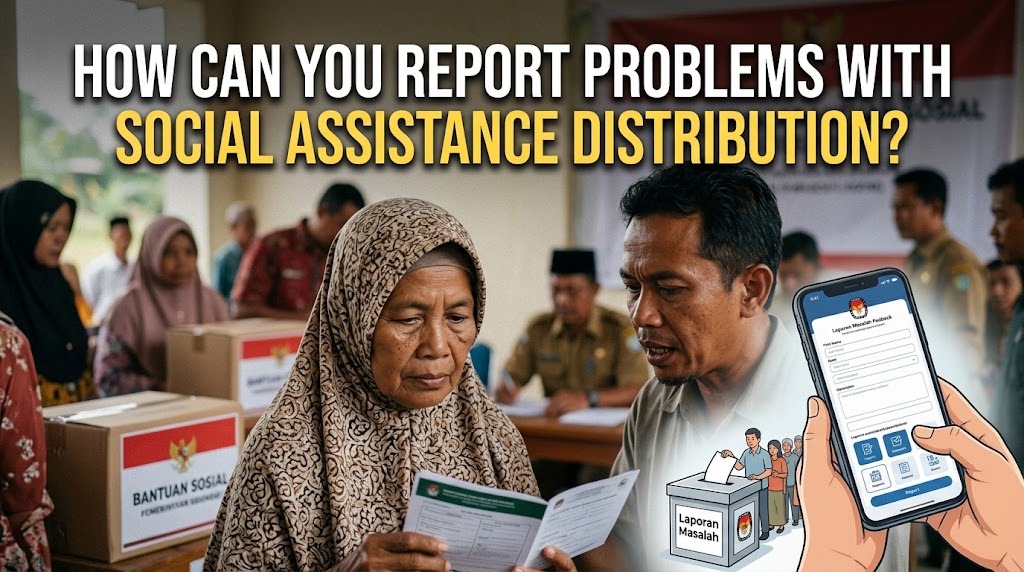
Social Assistance Distribution is intended to reach eligible recipients according to the rules of each government program. However, problems can sometimes occur during registration, verification, delivery, or payment. Examples may include incorrect recipient information, delayed assistance, or assistance not being received as expected. Understanding the type of problem can help determine the appropriate reporting process. Recipients should collect accurate information before making a complaint.
Not every delay necessarily means that a distribution problem has occurred. Distribution Status may be affected by verification procedures, administrative updates, or program schedules. Before submitting a report, check the latest official information about the assistance program. If the issue remains unclear, ask the responsible institution for clarification. This can prevent complaints based on incomplete information.
IDENTIFY THE PROBLEM CLEARLY
Before reporting an issue, identify exactly what happened. A clear Problem Description can help officials understand the situation more quickly. Explain whether the problem concerns registration, recipient data, payment, distribution timing, or another administrative issue. Avoid including assumptions that cannot be supported by evidence. Focus on facts that can be checked.
Write down important details related to the incident. Accurate Details may include relevant dates, program information, administrative references, and the type of assistance involved. If there is a discrepancy in your information, compare it with your official documents. Clear information can make the complaint easier to review. It also reduces the possibility of misunderstanding during follow-up.
PREPARE SUPPORTING EVIDENCE
Supporting evidence can strengthen a Complaint Report when it is relevant to the issue being reported. Depending on the situation, evidence may include official documents, legitimate confirmation messages, or records showing the problem. Only provide documents that are necessary for the complaint. Avoid sending sensitive information to people or websites that cannot be verified. Protect your personal information while preparing the report.
Keep original documents safely and provide copies only when appropriate. Evidence Records should be clear and related directly to the complaint. Do not edit documents in a way that changes important information. If you have screenshots, make sure they clearly show the relevant details without unnecessarily exposing sensitive data. Good documentation can help authorities conduct a more accurate review.
USE OFFICIAL REPORTING CHANNELS
Reports should be submitted through Official Channels provided by the government institution responsible for the assistance program. Depending on the program and location, this may involve an official online service, government office, or authorized complaint mechanism. Check the current procedure before submitting your report. Avoid using unofficial agents who claim they can guarantee a faster resolution. Official channels provide a more appropriate route for administrative complaints.
When submitting a report online, check that the platform is legitimate before entering personal information. Secure Reporting is important because complaints may contain identification or household information. Keep any legitimate complaint number or confirmation provided by the system. This information can be useful when following up later. If you are unsure where to report a problem, contact the responsible government service for guidance.
FOLLOW UP ON YOUR REPORT
After submitting a report, keep track of its Complaint Status when a tracking system is available. Some complaints may require time because officials need to verify information with relevant records. Avoid submitting multiple identical complaints immediately unless instructed to do so. Repeated reports can sometimes make administrative handling more complicated. Instead, use the reference information provided when following up.
If additional information is requested, provide it through the same authorized channel whenever possible. Follow Up should remain factual and respectful. Ask for clarification if you do not understand the response or next steps. Keep records of important communications related to the complaint. This can help you explain the situation consistently if further review is needed.
AVOID FALSE REPORTS AND SCAMS
Reports should contain truthful information based on actual circumstances. Submitting False Reports can create unnecessary work for authorities and may affect legitimate complaints. Do not exaggerate a problem simply to receive faster attention. If you are uncertain about a detail, clearly state what you know rather than presenting assumptions as facts. Honest reporting supports a fairer administrative process.
Recipients should also be cautious of people who claim they can resolve complaints for money. Reporting Scams can be especially important when someone requests payment or sensitive information in exchange for assistance. Never share passwords or verification codes with unknown individuals. Verify any request through an official service. Protecting your information should remain a priority throughout the complaint process.
CONCLUSION
Reporting social assistance distribution problems is easier when recipients clearly identify the issue, prepare relevant evidence, and use Official Channels. A well-prepared complaint should contain accurate details rather than assumptions or exaggerated claims. Keeping legitimate reference numbers and supporting documents can also make follow-up easier.
Recipients should remember that some issues may require additional verification before a final response is provided. Complaint Status should be checked through trusted services whenever possible. By reporting problems honestly, protecting personal information, and avoiding unofficial intermediaries, recipients can help support a more transparent and reliable social assistance distribution process.
Tentang Penulis
Gusti Ayu Tita P
Penulis — Universitas STEKOM
Penulis aktif yang berfokus pada isu-isu akademik, teknologi pendidikan, dan pengembangan sumber daya manusia di lingkungan kampus.