How Do Mountain Kids Build Solidarity During Hiking?
Gusti Ayu Tita P
22 September 2026
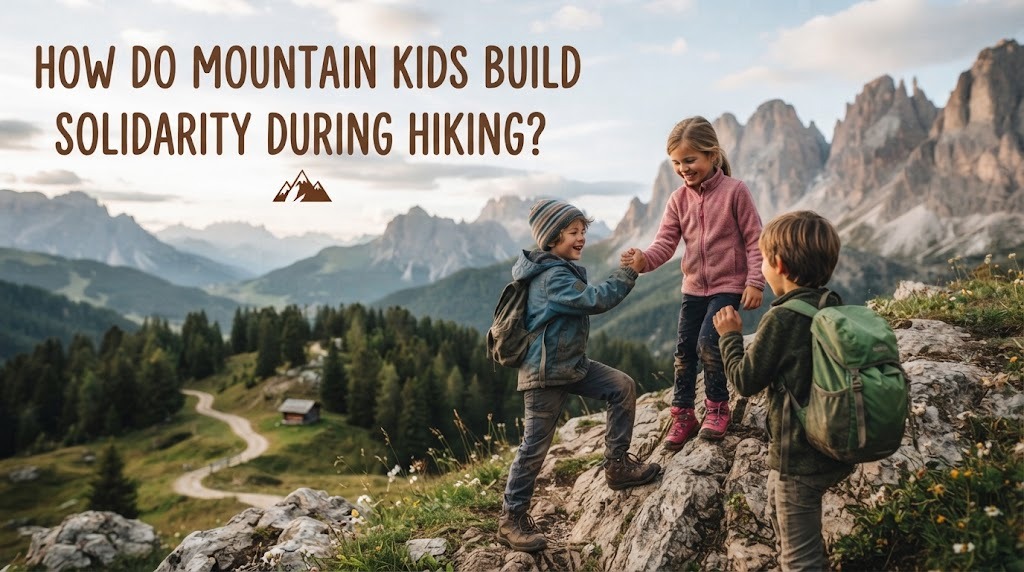
Hiking is not only about reaching the top of a mountain. For many mountain kids, the journey is also an opportunity to build solidarity, trust, and teamwork with others. Spending time together in nature can teach hikers how to communicate, help one another, and respect different abilities. These simple habits can make a hiking trip safer, more comfortable, and more meaningful.
HELPING EACH OTHER DURING THE JOURNEY
Mountain kids build solidarity by helping each other throughout the hiking journey. Some hikers may walk faster, while others may need more time because of their physical condition or experience. More experienced hikers can give support, share useful tips, or wait for friends who are behind. This attitude shows that reaching the destination is not more important than the safety and comfort of the group.
Helping can also include sharing water, food, or basic hiking equipment when someone needs it. Small actions like these can create a stronger sense of togetherness. When everyone is willing to help, the group can face difficult parts of the trail more calmly. This makes hiking not only an outdoor activity but also a valuable social experience.
COMMUNICATING CLEARLY WITH THE GROUP
Good communication is important for maintaining solidarity during hiking. Before and during the trip, hikers should discuss the route, meeting points, rest times, and possible difficulties. Clear communication helps everyone understand what the group needs to do. It can also reduce confusion when the trail becomes difficult or weather conditions change.
Mountain kids can communicate by giving simple warnings about slippery paths, steep areas, or obstacles. They should also tell others when they feel tired, uncomfortable, or need a break. Honest communication allows the group to respond before a small problem becomes more serious. In this way, communication helps create trust among hikers.
WAITING FOR FRIENDS WHO NEED MORE TIME
Solidarity can be shown by not leaving other members behind. Hiking groups often have people with different levels of fitness and experience. Someone may need more time to climb a steep trail or recover after a tiring section. Waiting for them can show respect and remind everyone that the group is moving together.
This does not mean every hiker must always walk at exactly the same speed. Instead, the group can agree on safe meeting points where everyone can gather and rest. This simple system allows faster hikers to continue at a comfortable pace while still keeping the group connected. It also helps prevent someone from becoming isolated on the trail.
SHARING RESPONSIBILITIES
Another way to build solidarity is by sharing responsibilities. Hiking involves many tasks, such as checking equipment, carrying supplies, preparing food, and keeping the camping area clean. When these tasks are divided fairly, no single person has to handle everything alone. Everyone can contribute according to their abilities.
Shared responsibilities also teach hikers about teamwork and responsibility. For example, one person can help with navigation while another checks the group's supplies. Others can collect waste or prepare a resting area. Working together makes the journey more organized and strengthens the connection between group members.
SUPPORTING EACH OTHER DURING DIFFICULT MOMENTS
Hiking can include difficult moments, such as steep climbs, changing weather, tiredness, or unexpected obstacles. During these situations, emotional support can help hikers stay calm and focused. Simple encouragement can give someone more confidence when they are struggling. However, support should always be combined with safe decisions and respect for personal limits.
Mountain kids can encourage friends by using positive and respectful words instead of forcing them to continue. If someone is too tired or the conditions become unsafe, stopping or changing the plan may be necessary. Understanding these limits is an important part of real solidarity. A strong group cares about the safety of every member.
RESPECTING DIFFERENT ABILITIES
Every hiker has a different level of experience, physical ability, and comfort. Some people may be skilled at climbing, while others may be better at navigation, organization, or preparing equipment. Solidarity grows when these differences are respected rather than criticized. A supportive group allows each person to contribute in their own way.
Respect also means avoiding unnecessary pressure or comparison. Hiking should not become a competition between friends. By understanding individual differences, mountain kids can create a more inclusive and comfortable hiking environment. This attitude can make friendships stronger both during and after the trip.
KEEPING THE GROUP UNITED
Building solidarity during hiking requires cooperation, communication, patience, and care. Mountain kids can strengthen their relationships by helping each other, sharing responsibilities, waiting for friends, and respecting different abilities. These habits are useful not only on mountain trails but also in everyday life. A hiking journey can become more meaningful when everyone feels valued and included.
The main goal of solidarity is to make the journey safe, supportive, and enjoyable for everyone. When hikers work together, challenges can become easier to manage. They also create memories based on cooperation rather than individual achievement. This is one reason hiking can teach important lessons about friendship and teamwork.
CONCLUSION
Mountain kids build solidarity during hiking through help, communication, teamwork, patience, and mutual respect. They support friends who face difficulties, share responsibilities, and make sure no one is unnecessarily left behind. These actions create trust and strengthen relationships within the group. Ultimately, solidarity makes hiking a more positive and meaningful experience for everyone involved.
Tentang Penulis
Gusti Ayu Tita P
Penulis — Universitas STEKOM
Penulis aktif yang berfokus pada isu-isu akademik, teknologi pendidikan, dan pengembangan sumber daya manusia di lingkungan kampus.