
How Do Mountain Kids Face Challenges During Hiking?
Gusti Ayu Tita P
22 September 2026
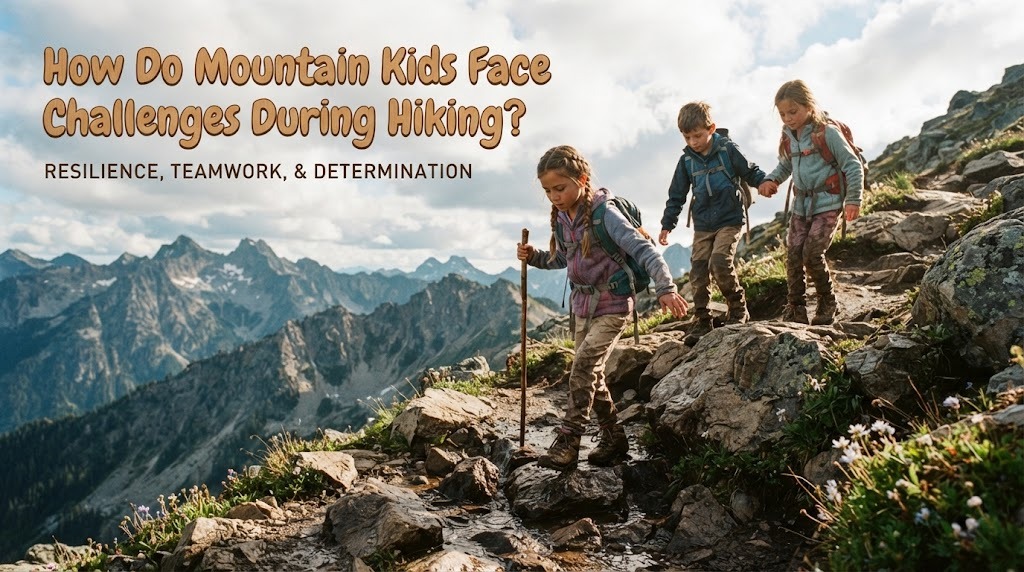
Mountain kids are an informal term for people who enjoy mountains, hiking, and outdoor adventures. During a hike, they may face different challenges such as steep trails, changing weather, tiredness, and difficult terrain. These situations require preparation, patience, and the ability to make careful decisions. Hiking can also teach people how to respond when conditions are different from their original plans. However, every hiker has different abilities, so challenges should always be handled according to personal limits and safety conditions.
THEY PREPARE BEFORE THE JOURNEY
Good preparation is one of the most important ways mountain kids face hiking challenges. Before leaving, they can check the route, weather forecast, trail difficulty, and estimated hiking time. They also need suitable equipment, enough food and water, appropriate clothing, and basic emergency supplies. Knowing the conditions beforehand can help hikers reduce unnecessary risks. Careful preparation makes it easier to respond when unexpected situations occur.
THEY MANAGE THEIR ENERGY
Long hiking routes can make the body tired, especially when the trail includes steep climbs. Mountain kids can manage this challenge by walking at a suitable pace and taking regular breaks. They should avoid using too much energy at the beginning because the journey may still be long. Drinking enough water and eating appropriate food can also help maintain energy. Listening to the body is important because excessive tiredness can affect concentration and decision making.
THEY ADAPT TO CHANGING WEATHER
Weather in mountainous areas can change quickly, so hikers need to remain prepared. Rain, strong wind, fog, or lower temperatures may affect the condition of a trail. Mountain kids can respond by checking weather information and adjusting their plans when necessary. They should use suitable clothing and equipment for the expected conditions. If the weather becomes dangerous, delaying or ending the hike can be a responsible choice.
THEY DEAL WITH DIFFICULT TERRAIN
Mountain trails can include steep slopes, slippery surfaces, rocks, narrow paths, and uneven ground. Hikers need to pay attention to where they step and adjust their movement according to the terrain. Moving too quickly can increase the chance of losing balance or becoming injured. Using appropriate footwear and following designated trails can improve safety. When a section becomes too difficult, hikers should assess the situation instead of forcing themselves to continue.
THEY CONTROL FEAR AND PANIC
Unexpected situations can make hikers feel worried or afraid. Mountain kids can try to stay calm, assess the situation, and communicate with others instead of immediately panicking. Taking a moment to understand the problem can make it easier to identify a safe solution. If hiking in a group, members can support one another and discuss the next step. Remaining calm does not remove the danger, but it can help people make more careful decisions.
THEY WORK TOGETHER
Group hiking can make difficult situations easier to manage through communication and teamwork. Members can check on each other, share necessary supplies, and adjust their walking pace. If someone becomes tired or experiences a problem, the group can discuss what should be done next. Everyone should respect the abilities and condition of other members. Good teamwork can improve both safety and cooperation during a challenging journey.
THEY KNOW WHEN TO STOP
One important part of facing hiking challenges is knowing when continuing is no longer safe. Mountain kids should understand that turning back is not necessarily a failure. Dangerous weather, serious exhaustion, injury, or unsafe trail conditions can be valid reasons to change the plan. Choosing a safer option shows awareness of personal limits and the surrounding conditions. Reaching a destination is less important than returning safely.
THEY LEARN FROM EXPERIENCE
Every hiking trip can provide lessons that help mountain kids prepare for future journeys. After a hike, they can evaluate their equipment, physical preparation, route planning, time management, and decisions. Problems that occurred during the journey can become useful information for the next trip. This process helps hikers improve without repeating the same mistakes. Learning from experience can make future outdoor activities more organized and responsible.
CONCLUSION
Mountain kids face hiking challenges through preparation, energy management, adaptation, teamwork, patience, and responsible decision making. They need to understand that mountain conditions can change and that plans may need to be adjusted. Knowing personal limits is also essential because safety should always come before reaching a destination. Each challenge can become a learning experience when handled carefully. With proper preparation and responsible behavior, hiking can be an enjoyable activity while still respecting personal safety and the natural environment.
Tentang Penulis
Gusti Ayu Tita P
Penulis — Universitas STEKOM
Penulis aktif yang berfokus pada isu-isu akademik, teknologi pendidikan, dan pengembangan sumber daya manusia di lingkungan kampus.















