
How Do You Calculate a Trip Budget for a Vacation?
Gusti Ayu Tita P
17 September 2026
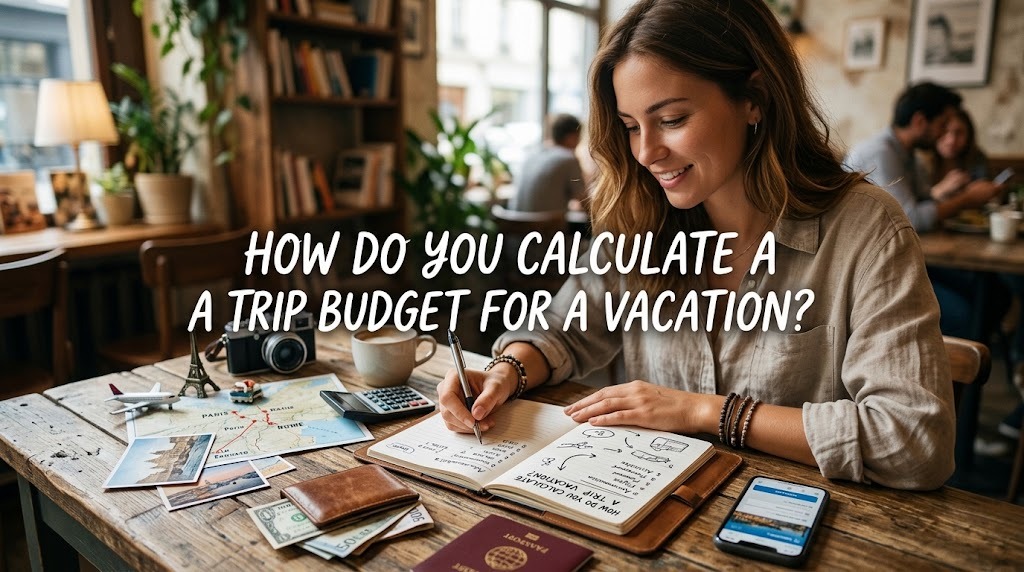
Planning a vacation is more enjoyable when you know exactly how much money you need to prepare. A trip budget helps travelers estimate expenses before departure and avoid unnecessary financial pressure during the journey. Without proper planning, small costs such as meals, transportation, entrance fees, and shopping can quickly increase the total spending. Calculating a trip budget also makes it easier to decide which activities fit your available funds. By preparing a realistic budget, travelers can enjoy their vacation with greater confidence and better financial control.
DETERMINE YOUR TRAVEL DESTINATION AND DURATION
The first step in calculating a trip budget is deciding where you want to travel and how long you will stay. Different destinations have different price levels for accommodation, food, transportation, and activities. A short trip to a nearby destination will generally require less money than a longer international vacation. You should also determine the exact number of travel days because the length of your stay directly affects daily expenses. Having these basic details will provide a clear foundation for estimating the total cost.
Your travel dates can also influence the amount of money you need. Peak seasons, holidays, and weekends may have higher accommodation and transportation prices than ordinary weekdays. If your schedule is flexible, comparing different travel dates can help you find more affordable options. You should also consider the distance between your home and destination because longer journeys may require additional transportation costs. Once the destination and duration are clear, you can begin listing the major expenses.
CALCULATE TRANSPORTATION AND ACCOMMODATION COSTS
Transportation and accommodation are usually among the most important parts of a vacation budget. Start by calculating the cost of getting to and from your destination, including flights, trains, buses, fuel, tolls, parking, or other transportation. Then estimate the cost of local transportation, such as public buses, trains, taxis, or ride-hailing services. If you plan to visit several locations, include the cost of transportation between destinations. Adding these expenses together will give you a more realistic transportation estimate.
Next, calculate your accommodation costs based on the number of nights you will stay. Compare different hotels, hostels, guesthouses, or other lodging options according to your budget and travel needs. Remember to check whether the listed price includes taxes, service fees, breakfast, or other charges. If you are traveling with family or friends, divide shared accommodation costs fairly among the travelers. Combining transportation and accommodation estimates will help you understand how much of your total budget is already committed.
ESTIMATE FOOD AND DAILY EXPENSES
Food is another essential category that should be included when calculating a trip budget. Estimate how much you expect to spend on breakfast, lunch, dinner, snacks, and drinks each day. You can research typical food prices at your destination or use prices from restaurants you are interested in visiting. Travelers who prepare some meals themselves may be able to reduce food expenses. However, it is still important to leave some flexibility because actual spending may differ from your initial estimate.
Daily expenses can also include entrance tickets, entertainment, shopping, tips, internet access, and other small purchases. Make a separate list of activities you definitely want to experience and estimate their individual costs. This method makes it easier to distinguish between essential expenses and optional spending. You can then decide which activities should receive priority if your budget is limited. Keeping these categories separate also makes it easier to track your spending during the vacation.
ADD AN EMERGENCY FUND AND EXTRA COSTS
A good trip budget should not only cover planned expenses but also prepare for unexpected situations. Set aside an emergency fund for situations such as transportation changes, medical needs, lost belongings, unexpected accommodation expenses, or other urgent costs. The amount can depend on the destination, trip length, and your personal financial situation. Keeping this money separate from your regular vacation spending can prevent unexpected expenses from disrupting your plans. An emergency fund provides an additional financial safety margin during the trip.
You should also consider expenses that are easy to overlook when making a budget. These may include travel insurance, baggage fees, currency exchange costs, parking, taxes, service charges, and communication expenses. Small costs may seem insignificant individually, but they can become substantial when combined. Review your expense list carefully before finalizing your budget. Adding a reasonable amount for unexpected costs can make your financial plan more realistic.
USE A SIMPLE TRIP BUDGET FORMULA
After collecting all estimated expenses, you can calculate your total trip budget using a simple formula. Add transportation, accommodation, food, activities, local transportation, and other planned expenses together. Then add your emergency fund and estimated miscellaneous costs. For example, if transportation costs 150 dollars, accommodation costs 300 dollars, food costs 200 dollars, activities cost 100 dollars, and other expenses cost 50 dollars, the planned total is 800 dollars. If you add a 100 dollar emergency fund, your estimated trip budget becomes 900 dollars.
You can also calculate your daily travel budget by dividing the estimated daily expenses by the number of travel days. This helps you determine how much money you can reasonably spend each day. Keep the budget flexible because actual costs may be higher or lower than your estimates. During the vacation, record your expenses and compare them with your planned budget. This simple habit allows you to adjust your spending before you exceed your available funds.
CONCLUSION
Calculating a trip budget starts with determining the destination, travel duration, and expected travel style. You should then estimate transportation, accommodation, food, activities, and daily expenses before adding an emergency fund. It is also important to include additional charges that may not be obvious when making the initial plan. A simple calculation can show the estimated total cost and the amount you can spend each day. With careful preparation and regular expense tracking, travelers can enjoy their vacation while keeping their finances under control.
Tentang Penulis
Gusti Ayu Tita P
Penulis — Universitas STEKOM
Penulis aktif yang berfokus pada isu-isu akademik, teknologi pendidikan, dan pengembangan sumber daya manusia di lingkungan kampus.