How Does PPE Support a Safety Culture in the Workplace?
Gusti Ayu Tita P
29 September 2026
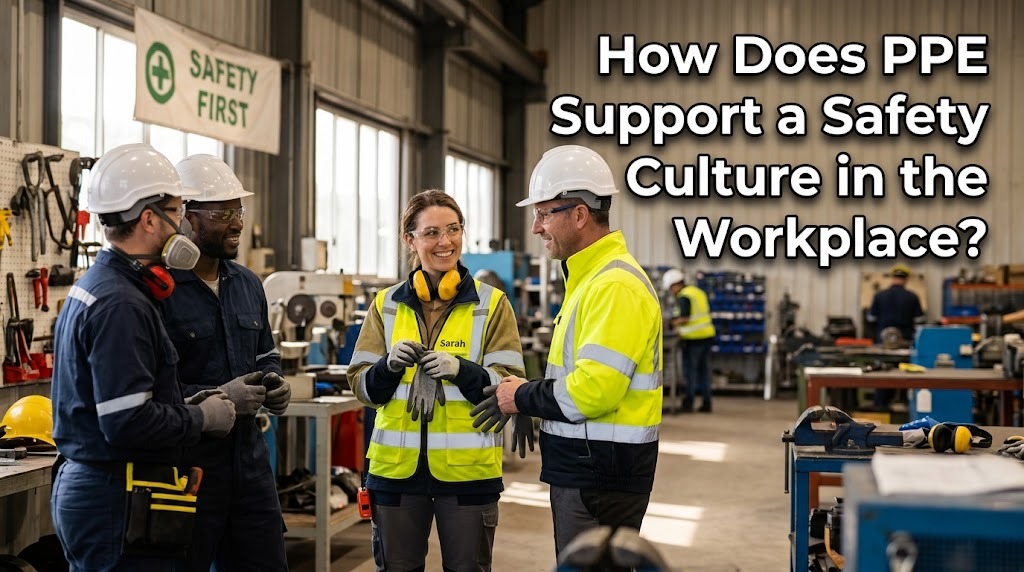
Personal Protective Equipment or PPE is an important part of workplace safety. PPE provides workers with an additional layer of protection when they may be exposed to workplace hazards. However, its role is not limited to protecting individuals from physical risks. When PPE is used correctly and consistently, it can also support a strong safety culture throughout an organization.
UNDERSTANDING THE ROLE OF PPE IN SAFETY CULTURE
A safety culture is reflected in how an organization approaches safety in its daily activities. It includes the attitudes, behaviors, communication, and practices that help workers manage workplace risks. Proper PPE use can become a visible example of workers following established safety procedures. When employees consistently follow these practices, safety becomes a normal part of their routine.
PPE should not be viewed as the only method of controlling workplace hazards. Employers should identify and control hazards through appropriate measures before relying on PPE as an additional protective layer. Workers should understand both the importance and limitations of their protective equipment. This approach helps create a workplace where safety is treated as an ongoing responsibility.
PPE ENCOURAGES SAFE WORKING HABITS
Consistent PPE use can encourage workers to develop safer habits. Before starting a task, workers may check whether their required protective equipment is available, suitable, and in good condition. This simple routine can encourage greater awareness of the hazards associated with the task. Over time, safety checks can become an ordinary part of the work process.
Workers who consistently follow PPE procedures can also demonstrate positive safety behavior to their colleagues. In a workplace where employees take safety requirements seriously, new workers may learn these practices more easily. Supervisors can reinforce these habits through appropriate training and regular communication. Consistency is important because occasional PPE use may leave workers exposed to preventable hazards.
TRAINING BUILDS PPE AWARENESS
Training is essential for helping workers understand how and when PPE should be used. Employees should receive information about workplace hazards, the purpose of different PPE, proper fitting, limitations, cleaning, storage, and replacement. PPE training can reduce misunderstandings and help workers apply safety procedures correctly. Training should also be relevant to the specific tasks and risks present in the workplace.
Effective training is more than simply telling workers to wear protective equipment. Workers should understand why particular PPE is required and what could happen if it is used incorrectly. Employers can reinforce knowledge through demonstrations, instructions, and appropriate supervision. Continuous education can help keep safety awareness active as workplace conditions change.
LEADERSHIP AND EXAMPLE MATTER
Management and supervisors play an important role in establishing workplace safety expectations. When leaders consistently follow safety procedures and take PPE requirements seriously, they can demonstrate that safety is an organizational priority. Leadership commitment can influence how workers perceive and follow workplace safety rules. Clear communication also helps employees understand what is expected of them.
Employers should provide suitable PPE and ensure that workers know how to use it properly. Workers should also have an appropriate way to report damaged equipment, unsafe conditions, or problems with PPE. When safety concerns are taken seriously, employees may feel more encouraged to participate in improving workplace safety. This can strengthen communication between workers and management.
REGULAR PPE CHECKS IMPROVE SAFETY PRACTICES
Regular inspection and maintenance can help ensure that PPE remains suitable for use. Workers should check equipment for damage, excessive wear, contamination, or other problems before using it. Defective equipment should be reported and handled according to workplace procedures. These practices can reinforce the idea that workplace safety requires continuous attention.
Organizations can also review PPE practices as part of broader workplace safety activities. Changes in equipment, materials, processes, or working conditions may create new hazards or change existing risks. Regular risk assessment can help determine whether current protective measures remain appropriate. Reviewing these practices helps organizations identify opportunities for improvement.
PPE SUPPORTS SHARED SAFETY RESPONSIBILITY
A strong safety culture depends on cooperation between workers and employers. Employers are responsible for providing suitable protective equipment, relevant information, training, and appropriate safety procedures. Workers are expected to use PPE correctly and follow established requirements. Shared responsibility helps make safety a collective part of workplace operations rather than an individual concern.
PPE can therefore contribute to a workplace where employees actively pay attention to hazards and protective practices. When workers communicate safety concerns and support one another in following procedures, safer behavior can become more consistent. PPE alone cannot eliminate every workplace risk, but it can be an important part of a broader safety program. Combined with hazard controls, training, communication, and leadership, PPE can help support a positive safety culture.
CONCLUSION
PPE supports a safety culture by encouraging safe working habits, hazard awareness, training, communication, and shared responsibility. Consistent use shows that workplace safety is an important part of daily operations. Employers and workers both have roles in ensuring PPE is suitable, properly maintained, and used according to established procedures. When PPE is combined with effective hazard controls and continuous safety education, it can contribute to a stronger and more consistent approach to workplace safety.
Tentang Penulis
Gusti Ayu Tita P
Penulis — Universitas STEKOM
Penulis aktif yang berfokus pada isu-isu akademik, teknologi pendidikan, dan pengembangan sumber daya manusia di lingkungan kampus.