
How Does Psychological Trauma Affect Self Confidence?
Gusti Ayu Tita P
21 September 2026
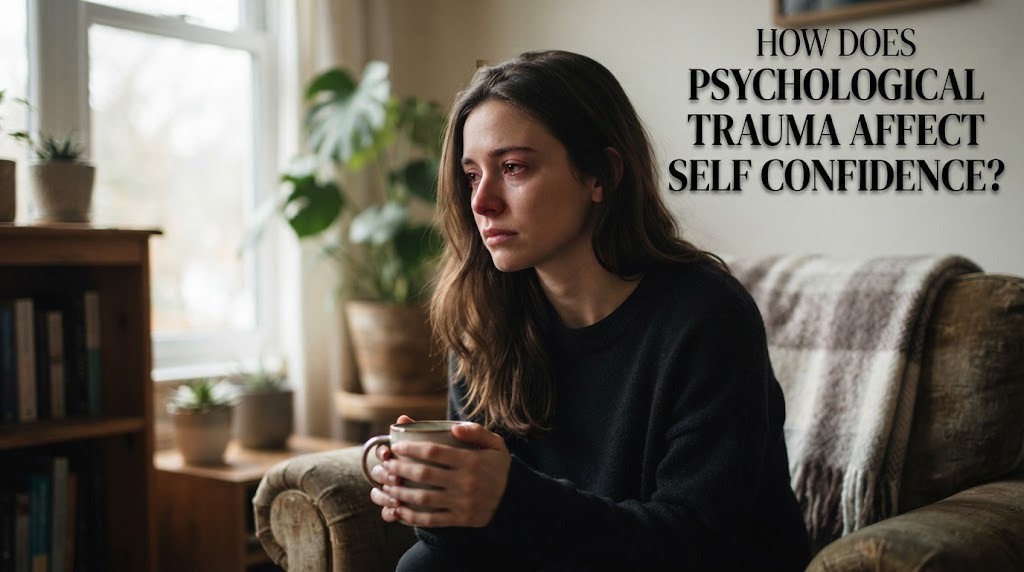
Psychological trauma can have a strong effect on how a person sees themselves and their abilities. After experiencing a frightening, painful, or deeply stressful event, someone may begin to doubt their value, choices, or ability to handle everyday situations. These changes can affect confidence at school, work, in relationships, and during social activities. However, experiencing trauma does not mean that a person will permanently lose their self confidence. With time, healthy support, and appropriate professional help, confidence can gradually be rebuilt.
TRAUMA CAN CREATE NEGATIVE THOUGHTS ABOUT YOURSELF
Psychological trauma may cause a person to develop negative thoughts about themselves. They may feel weak, responsible for what happened, or believe that they are no longer capable of doing things well. These thoughts can become stronger when the person repeatedly remembers the traumatic experience. As a result, ordinary mistakes may feel like proof that they are not good enough. This pattern can gradually reduce self confidence.
It is important to remember that trauma reactions do not define a person's actual value or abilities. A person may need time to recognize that negative thoughts can be connected to their experience rather than objective facts about themselves. Supportive people can help by offering encouragement without judging or forcing the person to change quickly.
TRAUMA MAY INCREASE FEAR OF FAILURE
After trauma, some people may become more afraid of making mistakes or facing difficult situations. They may avoid trying new activities because they are worried about failing, being criticized, or losing control. This avoidance can provide temporary comfort but may also reduce opportunities to build confidence through positive experiences. Over time, the person may become less willing to take healthy risks or make independent decisions.
Starting with small and realistic goals can help create a sense of achievement. Completing simple tasks can remind someone that they are still capable of learning and handling challenges. Progress does not need to be dramatic to be meaningful. Consistent small steps can gradually support greater confidence.
TRAUMA CAN AFFECT DECISION MAKING
Psychological trauma may also influence a person's confidence when making decisions. Someone may constantly question their choices or worry that something bad will happen if they make the wrong decision. They may depend heavily on other people for reassurance or avoid making important choices altogether. This can make everyday activities feel more difficult than before. Repeated self doubt may further weaken their confidence.
Learning to make manageable decisions independently can help rebuild a sense of control. A person can begin with simple choices and gradually work toward more important decisions. It is also helpful to understand that making a mistake does not automatically mean that a person has failed. Healthy decision making includes learning from experiences rather than expecting perfection.
TRAUMA MAY CHANGE HOW PEOPLE SEE THEIR ABILITIES
Trauma can sometimes make people underestimate their own abilities. Someone who was confident before a traumatic event may suddenly feel incapable, unsafe, or uncertain. They may stop participating in activities they previously enjoyed or avoid opportunities that require confidence. Compliments may also be difficult to accept because the person does not believe they deserve them. These changes can influence both personal and professional development.
Reconnecting with activities that once provided satisfaction can be a gradual way to recognize personal strengths again. Setting realistic goals and celebrating progress can also help. Support from trusted friends, family members, teachers, or coworkers may provide additional encouragement. The goal is not to become exactly the same person as before but to develop a healthy sense of confidence after the experience.
TRAUMA CAN AFFECT SOCIAL CONFIDENCE
Self confidence is closely connected to social relationships, and trauma can make social situations more difficult. A person may worry about being judged, rejected, misunderstood, or hurt by others. Because of these concerns, they may avoid conversations, social events, or situations where they have to express themselves. Less social interaction can then make it harder to practice communication and feel comfortable around people.
A supportive environment can make social interaction feel safer. People close to someone experiencing trauma can listen patiently and respect their boundaries. There is no need to force someone into social situations before they feel ready. Gradual exposure to comfortable and positive interactions may help rebuild social confidence over time.
HOW CAN SELF CONFIDENCE BE REBUILT AFTER TRAUMA?
Rebuilding self confidence after psychological trauma is usually a gradual process. Developing healthy routines, setting small goals, practicing self compassion, and maintaining supportive relationships can be helpful. It is also important to avoid comparing the recovery process with other people's experiences. Every person responds to trauma differently, so progress may happen at different speeds.
Professional mental health support can be useful when trauma-related thoughts and reactions continue to interfere with daily life. A qualified mental health professional can help someone understand their reactions and develop healthier coping strategies. Therapy may also help address persistent fear, self blame, avoidance, or negative beliefs about oneself. Seeking support is not a sign of weakness but one possible step toward recovery.
CONCLUSION
Psychological trauma can affect self confidence by increasing self doubt, fear of failure, decision-making difficulties, and negative beliefs about personal abilities. It can also reduce social confidence and make everyday challenges feel more difficult. These effects do not have to last forever, and confidence can gradually improve with appropriate support and positive experiences. Small goals, self compassion, healthy relationships, and professional help can support the recovery process. Rebuilding self confidence takes time, but progress is possible.
Tentang Penulis
Gusti Ayu Tita P
Penulis — Universitas STEKOM
Penulis aktif yang berfokus pada isu-isu akademik, teknologi pendidikan, dan pengembangan sumber daya manusia di lingkungan kampus.















