
How Student Council Trains Young Generations’ Leadership Skills at School?
Gusti Ayu Tita P
23 September 2026
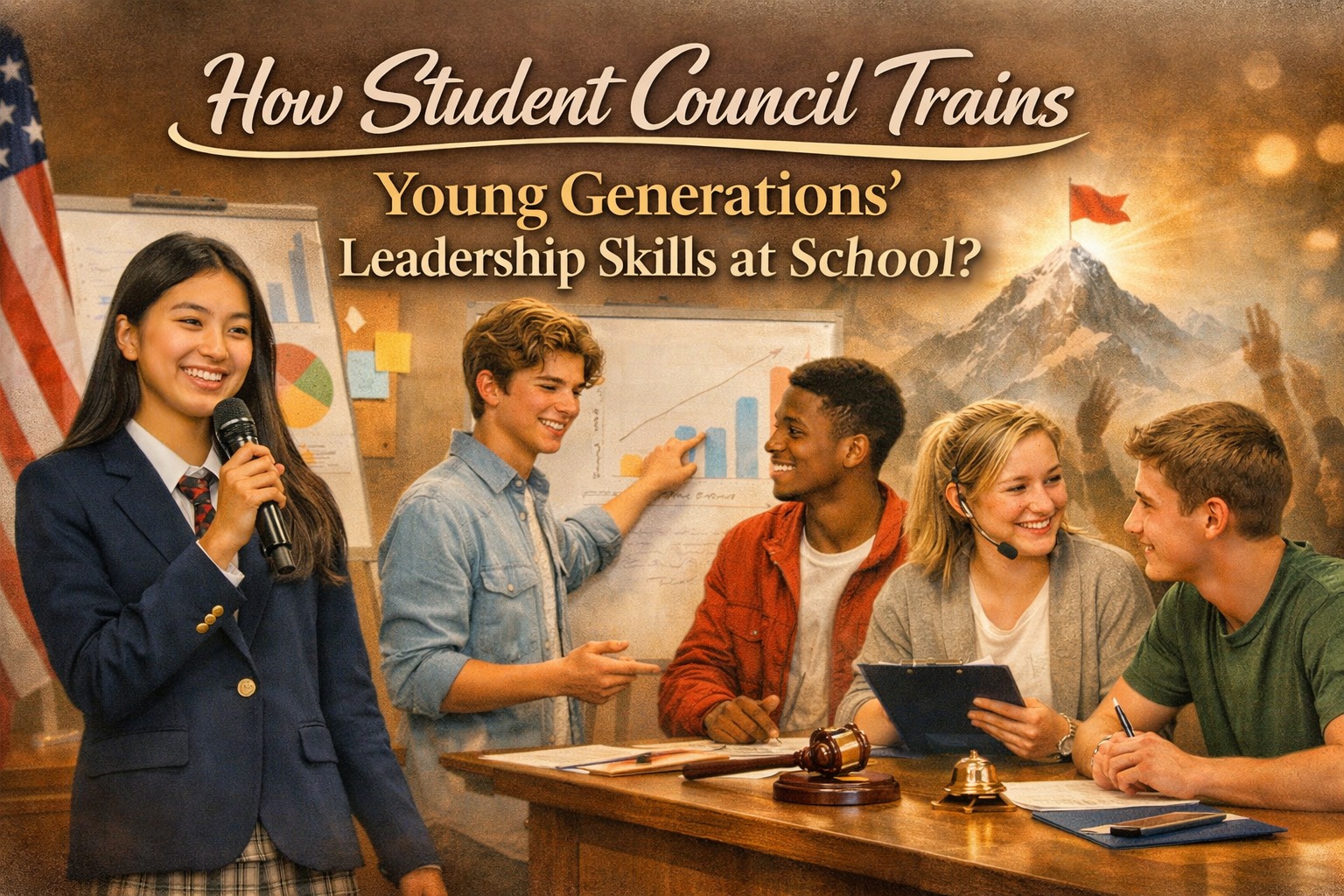
The student council is one of the most effective organizations for helping students develop strong leadership skills from an early age. It gives students the opportunity to lead projects, organize school activities, solve problems, and represent the voices of their classmates. Through practical experiences, members learn valuable qualities such as responsibility, communication, teamwork, and decision-making. These experiences prepare students to face future academic, professional, and social challenges with confidence. For this reason, the student council plays an essential role in shaping the next generation of capable and responsible leaders.
UNDERSTANDING THE ROLE OF STUDENT COUNCIL
The student council is a student organization that supports school programs while representing the interests and aspirations of students. Members work closely with teachers and school administrators to organize educational events, social activities, leadership programs, and community service initiatives. They also help create a positive school culture by encouraging active student participation. Through these responsibilities, students gain meaningful experiences that extend beyond classroom learning.
Serving in the student council requires commitment, discipline, and accountability. Members must collaborate with different individuals, communicate ideas effectively, and complete tasks according to agreed schedules. Every activity provides opportunities to strengthen leadership qualities through real situations. This practical learning process helps students become more mature and responsible.
WHY LEADERSHIP SKILLS ARE IMPORTANT FOR STUDENTS?
Developing leadership skills at school provides long-term benefits that extend far beyond graduation. Leadership helps students become confident individuals who can make thoughtful decisions, solve problems, and motivate others toward shared goals. These abilities are valuable in higher education, future careers, and community involvement. Students who develop leadership early often adapt more easily to new responsibilities.
Leadership also supports personal growth by strengthening integrity, discipline, empathy, and resilience. Student leaders learn to remain calm under pressure while making fair and responsible decisions. They become better communicators because leadership requires active listening as well as clear expression of ideas. These qualities contribute to overall character development.
HOW STUDENT COUNCIL DEVELOPS LEADERSHIP SKILLS?
The student council trains leadership through practical experiences rather than theoretical lessons alone. Members are responsible for planning school events, managing committees, coordinating volunteers, and solving organizational challenges. These responsibilities encourage students to think critically, organize resources efficiently, and make informed decisions. Every successful project increases their confidence and leadership competence.
Student council activities also encourage initiative and accountability. Members learn to accept responsibility for both successes and mistakes while continuously improving their performance. Constructive feedback from teachers and peers helps students recognize their strengths and identify areas for growth. This process creates confident and adaptable future leaders.
ESSENTIAL SKILLS LEARNED THROUGH STUDENT COUNCIL
Participating in the student council strengthens many important life skills that support leadership development. One of the most valuable is communication, as members regularly present ideas, lead discussions, and interact with teachers, classmates, and school administrators. Strong communication improves teamwork and helps avoid misunderstandings during projects. It also builds confidence in public speaking.
Students also improve problem-solving, teamwork, time management, and organizational skills. Unexpected challenges during school events require members to analyze situations and develop practical solutions. Working collaboratively teaches respect for different opinions while promoting shared responsibility. These experiences prepare students for real-world leadership situations.
CHALLENGES THAT BUILD STRONG LEADERS
Leadership growth often comes from overcoming challenges, and the student council provides many valuable learning opportunities. Members must balance academic responsibilities with organizational duties while meeting deadlines and maintaining high standards. This teaches effective time management and personal discipline. Students become more capable of handling multiple responsibilities simultaneously.
Conflict resolution is another important leadership lesson. Different opinions naturally arise during planning and decision-making, requiring respectful communication and compromise. Learning how to manage disagreements professionally strengthens emotional intelligence and teamwork. These experiences help students become mature and dependable leaders.
HOW SCHOOLS CAN SUPPORT STUDENT LEADERSHIP DEVELOPMENT?
Schools play a crucial role in maximizing the benefits of student council participation. Teachers and administrators can provide leadership workshops, mentoring sessions, and opportunities for students to lead meaningful school projects. Constructive guidance allows students to learn independently while receiving valuable support when necessary. This balanced approach promotes continuous leadership development.
Schools should also recognize the achievements and efforts of student council members. Positive feedback and opportunities for reflection motivate students to continue improving their leadership abilities. Encouraging collaboration with other student organizations further broadens their experience. These initiatives help prepare students to become future leaders who positively influence their communities.
CONCLUSION
The student council is a powerful platform for training the younger generation to become confident and responsible leaders. Through practical experiences, students develop leadership skills, communication, teamwork, problem-solving, and responsibility while contributing positively to their school environment. Every activity provides meaningful lessons that strengthen both character and personal growth. Schools that actively support student council programs help students prepare for future academic, professional, and social success. Investing in student leadership today creates capable individuals who are ready to make positive contributions to society.
Tentang Penulis
Gusti Ayu Tita P
Penulis — Universitas STEKOM
Penulis aktif yang berfokus pada isu-isu akademik, teknologi pendidikan, dan pengembangan sumber daya manusia di lingkungan kampus.















