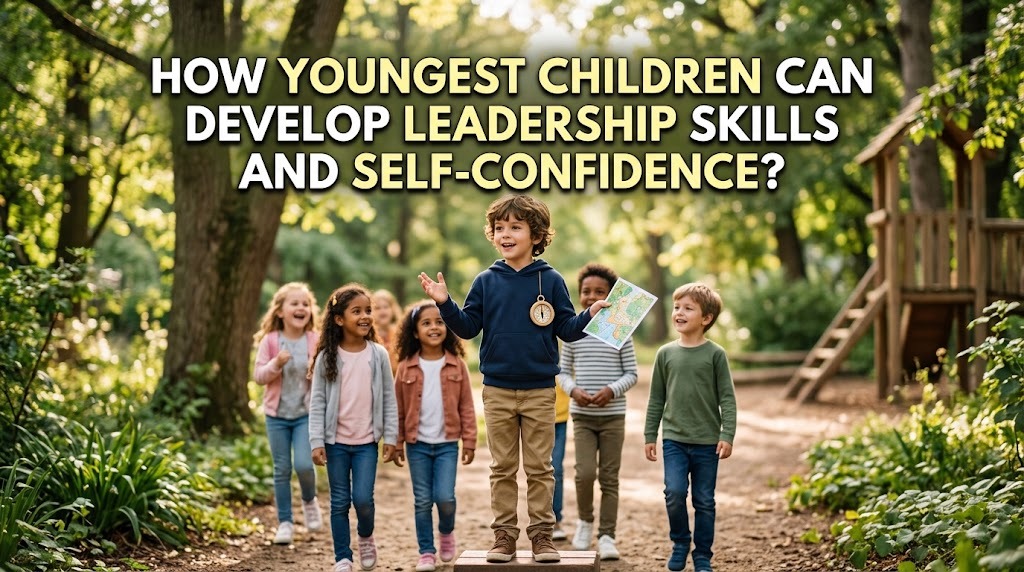
How Youngest Children Can Develop Leadership Skills And Self Confidence?
Gusti Ayu Tita P
7 September 2026
Being the youngest child in a family can provide unique experiences that influence personal development. Youngest children often grow up interacting with older siblings and learning from different perspectives. These experiences may help them develop social skills, adaptability, and communication abilities that can support leadership development.
However, leadership and self-confidence do not automatically develop because someone is the youngest child. These qualities are influenced by family support, education, personal experiences, and individual effort. With the right habits and opportunities, youngest children can strengthen their confidence and gradually develop effective leadership skills.
BUILDING CONFIDENCE THROUGH SMALL DECISIONS
Self-confidence can grow when children are given opportunities to make their own decisions. Youngest children should be encouraged to choose activities, solve simple problems, and express their opinions. These experiences can help them understand that their ideas and choices have value.
Parents and family members can provide guidance without controlling every decision. Allowing children to experience both success and mistakes can make them more comfortable with challenges. Over time, these small experiences can create stronger decision-making confidence.
DEVELOPING EFFECTIVE COMMUNICATION
Good communication is one of the most important qualities of a leader. Youngest children can practice expressing their thoughts clearly when talking with family members, teachers, and friends. They can also learn how to listen carefully to different opinions.
Effective communication is not only about speaking confidently. It also involves understanding other people and responding appropriately. By practicing active listening and clear communication, youngest children can become more comfortable when interacting with groups.
LEARNING TO TAKE RESPONSIBILITY
Leadership requires responsibility for both actions and decisions. Youngest children can develop this quality by receiving age-appropriate responsibilities at home, school, or in organizations. Simple tasks can teach them that completing responsibilities consistently is important.
Family members should avoid doing everything for the youngest child simply because they are the youngest. Giving them opportunities to handle responsibilities independently can strengthen their sense of accountability. This habit can later become useful in academic and professional environments.
PARTICIPATING IN TEAM ACTIVITIES
Team activities provide valuable opportunities to practice leadership. Youngest children can participate in school projects, organizations, sports, or community activities. These experiences allow them to learn how to cooperate with different personalities.
Being part of a team also teaches children that leadership is not always about giving instructions. A good leader understands how to support others and contribute to shared goals. Through teamwork, youngest children can develop cooperation, empathy, and leadership awareness.
LEARNING FROM OLDER SIBLINGS
Older siblings can become useful sources of experience for youngest children. They may observe how their siblings handle school, work, relationships, and personal challenges. These observations can provide valuable lessons about both successful and unsuccessful decisions.
However, youngest children should not feel pressured to copy their siblings. Every person has different strengths, interests, and goals. They can take useful lessons from their siblings while developing their own leadership identity.
DEVELOPING A POSITIVE LEADERSHIP MINDSET
A strong leadership mindset involves confidence, responsibility, empathy, and willingness to learn. Youngest children can develop these qualities by focusing on personal growth rather than comparing themselves with others. They should recognize their strengths while continuing to improve their weaknesses.
Leadership does not always require being the loudest or most dominant person in a group. A good leader can also be someone who listens, supports others, stays calm, and helps a team reach its goals. By developing these qualities consistently, youngest children can become confident and responsible leaders in different areas of life.
CONCLUSION
Youngest children can develop leadership skills and self-confidence through everyday experiences and deliberate practice. Making decisions, communicating effectively, taking responsibility, joining team activities, and learning from mistakes can strengthen their personal abilities.
Birth order alone does not determine whether someone will become a good leader. What matters more is the opportunity to develop confidence, responsibility, communication, empathy, and resilience. With consistent support and personal effort, youngest children can turn their unique experiences into valuable leadership strengths.
Tentang Penulis
Gusti Ayu Tita P
Penulis — Universitas STEKOM
Penulis aktif yang berfokus pada isu-isu akademik, teknologi pendidikan, dan pengembangan sumber daya manusia di lingkungan kampus.