The Role of Student Council in Building Student Leadership Character at School
Gusti Ayu Tita P
6 Oktober 2026
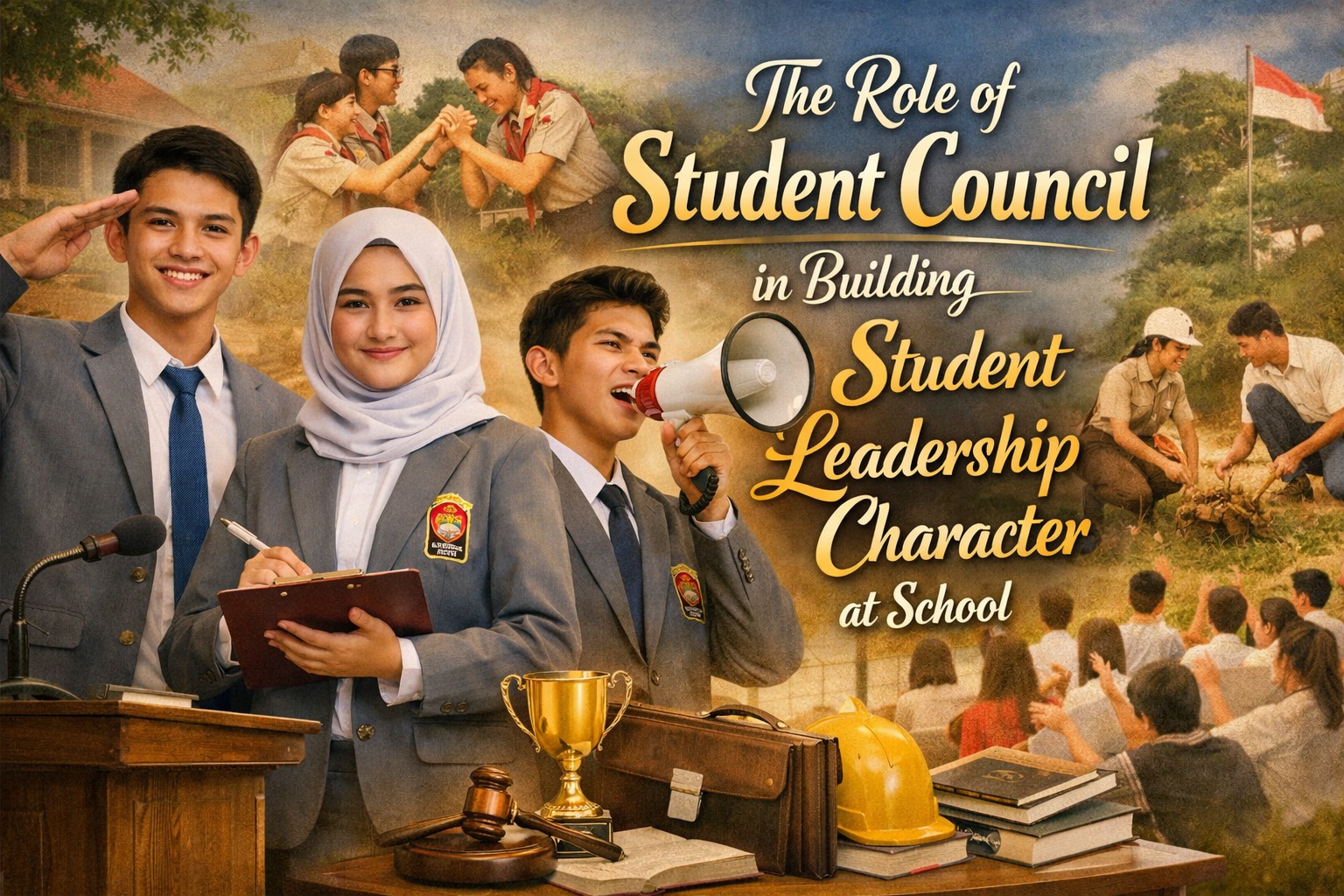
Student council plays a significant role in helping students develop strong leadership character while they are still in school. It is more than just an organization that plans school events because it provides students with opportunities to learn responsibility, teamwork, communication, and decision-making. Through active participation, students experience real situations that require them to solve problems and work together toward common goals. These valuable experiences prepare them for academic success and future careers. As a result, the student council becomes one of the most effective platforms for developing student leadership and positive character.
UNDERSTANDING THE ROLE OF STUDENT COUNCIL
A student council is a student organization that represents the voices, interests, and aspirations of students within a school. Its members work together to organize educational programs, social activities, competitions, charity events, and campaigns that benefit the entire school community. The organization also serves as a bridge between students and school administrators by communicating ideas and feedback. This role helps create a more inclusive and supportive learning environment.
Through daily responsibilities, student council members gain practical leadership experience that cannot always be learned in the classroom. They learn how to manage tasks, coordinate with teachers, communicate with peers, and complete projects on schedule. Every activity encourages students to become more disciplined and accountable for their actions. These experiences gradually shape them into confident and responsible young leaders.
HOW STUDENT COUNCIL BUILDS LEADERSHIP CHARACTER?
One of the primary objectives of the student council is to develop leadership character among students. Leadership is not only about giving instructions but also about listening, inspiring others, and making wise decisions. Student council members regularly practice these qualities while organizing events and managing various responsibilities. They learn that effective leadership requires patience, integrity, and commitment.
Students also improve their ability to solve problems through real-life experiences. Unexpected challenges often arise during school programs, requiring quick thinking and collaboration. By facing these situations, they become more adaptable and confident in handling difficulties. Over time, these experiences strengthen both their leadership abilities and emotional maturity.
IMPORTANT LEADERSHIP SKILLS DEVELOPED THROUGH STUDENT COUNCIL
Participation in student council helps students strengthen many essential leadership skills. One of the most valuable skills is communication, as members must present ideas clearly, listen actively, and work with people from different backgrounds. They also improve their teamwork by collaborating with committees to achieve shared goals. These experiences build trust and strengthen relationships among students.
Another important skill is decision-making. Student leaders often evaluate different ideas before choosing the best solution for school activities. They also learn time management by balancing organizational responsibilities with academic commitments. In addition, students become better at planning, organizing, and evaluating projects, which are valuable skills for higher education and future employment.
POSITIVE IMPACT OF STUDENT COUNCIL ON SCHOOL ENVIRONMENT
A strong student council contributes significantly to creating a positive and active school culture. Student-led activities encourage participation, creativity, and cooperation among classmates. Programs such as charity events, environmental campaigns, leadership seminars, and cultural festivals increase student engagement and strengthen school unity. These activities also create meaningful learning experiences outside the classroom.
Furthermore, student council promotes mutual respect between students, teachers, and school administrators. Open communication helps identify student needs and encourages collaborative solutions. This positive relationship creates a supportive atmosphere where students feel heard and appreciated. A healthy school environment ultimately improves both academic performance and personal development.
CHALLENGES FACED BY STUDENT COUNCIL MEMBERS
Although serving in the student council offers many benefits, members also face several challenges. Balancing academic responsibilities with organizational duties requires excellent planning and self-discipline. Students must learn to prioritize tasks while maintaining good academic performance. This experience teaches responsibility and resilience under pressure.
Leadership also involves managing conflicts and different opinions among team members. Student council members must practice active listening, respect diverse perspectives, and find fair solutions for everyone involved. These challenges help students become more patient, emotionally intelligent, and open-minded. As a result, they develop stronger interpersonal and leadership skills that will benefit them throughout their lives.
STRATEGIES TO STRENGTHEN STUDENT LEADERSHIP THROUGH STUDENT COUNCIL
Schools can maximize the benefits of student council by providing continuous leadership development opportunities. Leadership workshops, communication training, mentoring programs, and project-based learning activities help students improve their abilities. Teachers also play an important role by providing guidance while allowing students to take responsibility for their own decisions. This balanced approach encourages independent leadership growth.
Regular evaluation and constructive feedback are equally important for continuous improvement. Student council members should reflect on completed activities, identify strengths, and learn from challenges. Schools can also encourage collaboration with other student organizations to broaden leadership experiences. These strategies help create future leaders who are confident, responsible, and ready to contribute positively to society.
CONCLUSION
The role of student council extends far beyond organizing school events. It serves as an important platform for developing student leadership, responsibility, communication, teamwork, and decision-making skills. Through practical experiences, students build confidence, integrity, and the ability to solve real-world problems. Schools that actively support student council programs help prepare students to become responsible citizens and effective future leaders. Investing in student leadership development today creates a stronger generation capable of making positive contributions to their communities and beyond.
Tentang Penulis
Gusti Ayu Tita P
Penulis — Universitas STEKOM
Penulis aktif yang berfokus pada isu-isu akademik, teknologi pendidikan, dan pengembangan sumber daya manusia di lingkungan kampus.