The Role of Young People in Preventing and Fighting Corruption
Gusti Ayu Tita P
22 September 2026
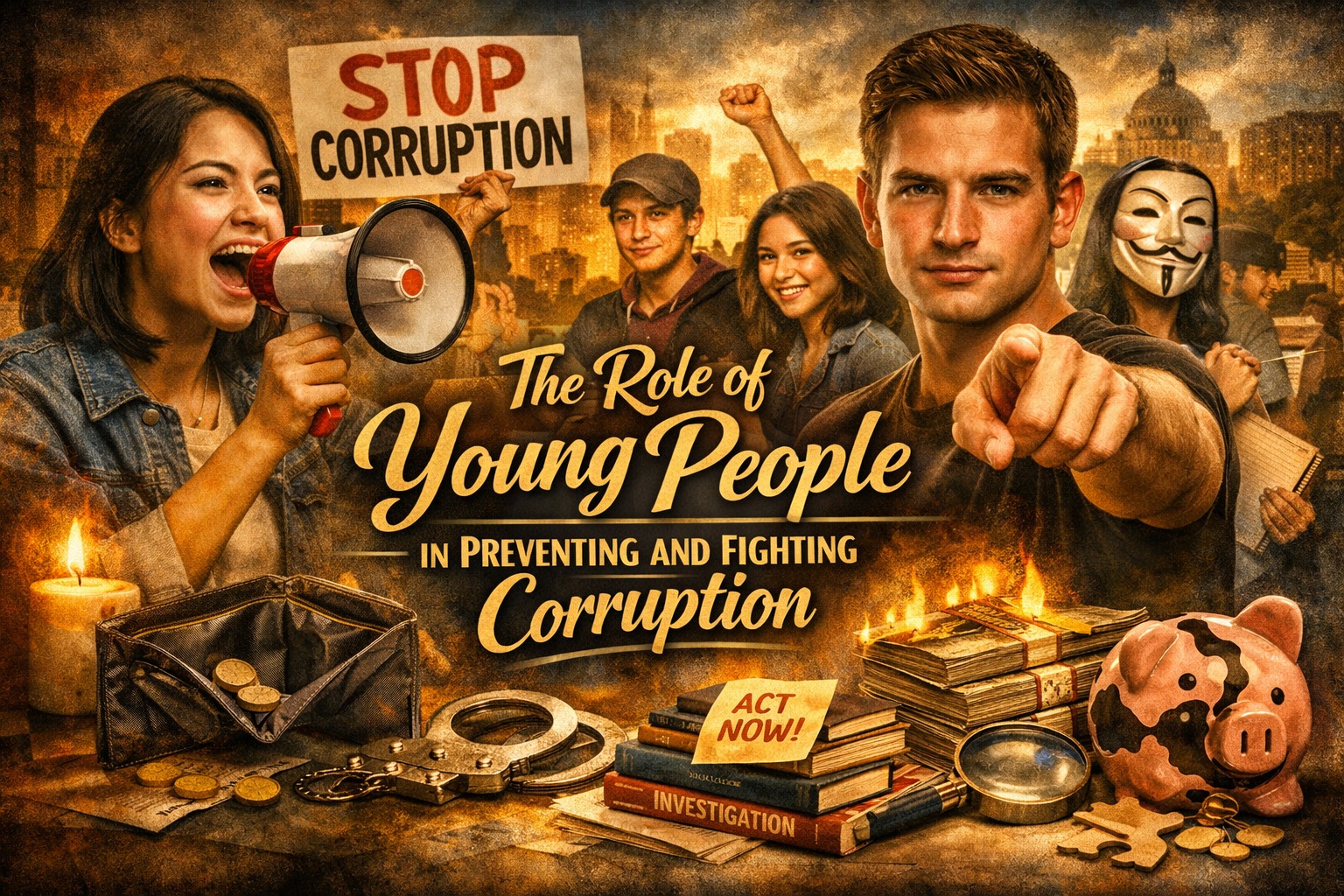
Corruption is one of the biggest challenges that many countries continue to face. It weakens public trust, slows economic growth, reduces the quality of public services, and creates unfair opportunities in society. While governments and law enforcement agencies have an important responsibility to combat corruption, young people also have a significant role in creating a culture of honesty, integrity, and accountability.
As the next generation of leaders, professionals, entrepreneurs, and citizens, young people have the power to influence positive social change. By adopting ethical values, promoting transparency, and refusing to tolerate dishonest behavior, they can help build a future where corruption becomes less common. Preventing corruption begins with everyday actions and strong moral principles.
UNDERSTANDING WHY YOUNG PEOPLE MATTER IN THE FIGHT AGAINST CORRUPTION
Young people represent a large portion of the population in many countries, making their participation essential in creating long-term social change. They are often more open to innovation, technology, and new ideas that encourage transparency and good governance. Through education and access to information, they can recognize unethical behavior and encourage responsible actions within their communities.
When young people understand the negative consequences of corruption, they become more likely to reject dishonest practices in school, the workplace, and public life. Their decisions today help shape the ethical standards of tomorrow. Developing strong values early in life creates a generation that values fairness, justice, and public responsibility.
BUILDING A CULTURE OF HONESTY AND INTEGRITY
Preventing corruption starts with developing personal character. Young people should practice honesty, keep promises, respect rules, and avoid cheating in academic or professional settings. Small dishonest actions may seem harmless, but they can develop into larger unethical behaviors if ignored.
Schools, universities, and families play an important role in teaching integrity as a daily habit rather than simply a theoretical concept. Students who refuse plagiarism, cheating, bribery, or favoritism are already contributing to anti-corruption efforts. Consistently making ethical decisions strengthens public trust and creates a healthier society.
USING EDUCATION TO RAISE ANTI-CORRUPTION AWARENESS
Education is one of the strongest tools for preventing corruption. Learning about ethics, civic responsibility, and the impact of corruption helps young people understand why honest leadership is essential for national development. Educational institutions can organize seminars, discussions, and campaigns that encourage students to become active supporters of anti-corruption values.
Digital learning platforms and social media also provide opportunities to spread awareness. Young people can create educational videos, articles, podcasts, and online campaigns that explain how corruption affects healthcare, education, infrastructure, and economic growth. Sharing accurate information encourages more people to participate in promoting accountability and ethical behavior.
LEVERAGING TECHNOLOGY AND SOCIAL MEDIA FOR POSITIVE CHANGE
Technology gives young people powerful tools to support transparency and public participation. Social media allows them to share information, promote ethical campaigns, and encourage discussions about corruption prevention. Digital platforms also help communities report suspicious activities and increase public awareness.
However, technology should be used responsibly. Young people must verify information before sharing it to avoid spreading misinformation. By combining digital literacy with ethical communication, they can become trusted voices that inspire others to support transparent governance and responsible citizenship.
BECOMING ACTIVE PARTICIPANTS IN THE COMMUNITY
Young people can contribute by joining community organizations, volunteer groups, and student associations that promote ethical leadership and social responsibility. Participating in community projects teaches teamwork, accountability, and respect for public resources. These experiences also strengthen leadership skills that are valuable for future careers.
Speaking up against unfair practices requires courage, but collective action creates stronger results. Encouraging open discussions, supporting transparency initiatives, and participating in civic activities demonstrate that every citizen has a role in preventing corruption. Positive involvement helps create communities where ethical behavior becomes the norm rather than the exception.
THE LONG-TERM IMPACT OF YOUTH PARTICIPATION
The fight against corruption is not a short-term effort but a continuous process that requires commitment from every generation. Young people who consistently practice integrity, respect the law, and encourage ethical behavior contribute to stronger institutions and better public services. Their influence extends beyond personal success to the overall development of society.
By becoming responsible citizens today, young people prepare themselves to become trustworthy leaders in the future. Every honest decision, educational initiative, and community contribution helps reduce opportunities for corruption. Together, a generation committed to transparency, good governance, and anti-corruption values can build a more prosperous, fair, and sustainable future for everyone.
Conclusion
Young people are essential partners in preventing and fighting corruption. Through education, integrity, honesty, technology, and active community participation, they can promote ethical values that strengthen society. While governments and institutions play critical roles, lasting change begins with individuals who choose to act responsibly every day. By embracing anti-corruption principles and encouraging transparent governance, young people can help create a future built on trust, fairness, and accountability.
Tentang Penulis
Gusti Ayu Tita P
Penulis — Universitas STEKOM
Penulis aktif yang berfokus pada isu-isu akademik, teknologi pendidikan, dan pengembangan sumber daya manusia di lingkungan kampus.