What Are the Best Tips for Exchanging Money During an International Trip?
Gusti Ayu Tita P
17 September 2026
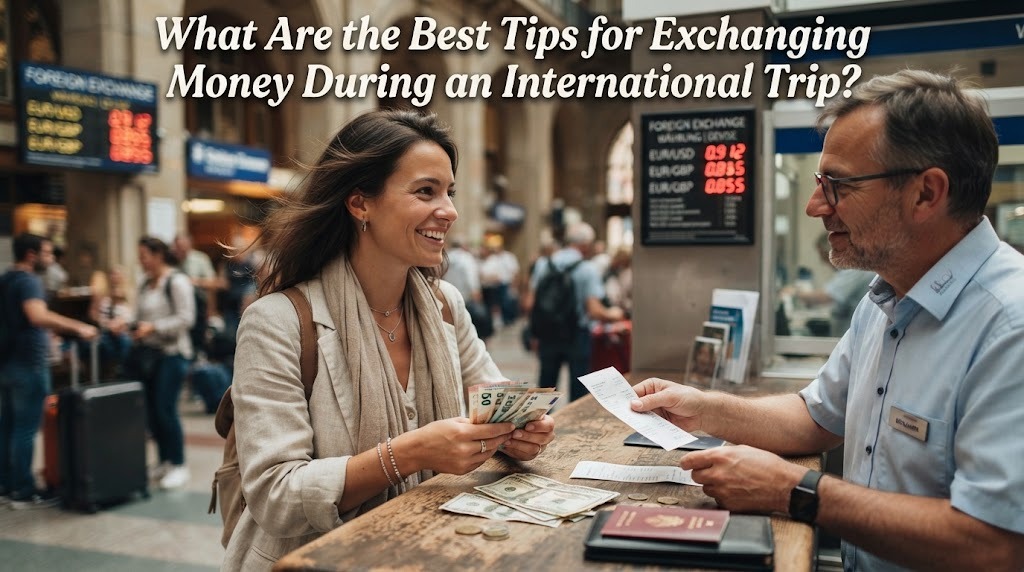
Exchanging money is an important part of preparing for an international trip. Travelers need local currency for transportation, food, shopping, entrance fees, and other daily expenses. However, exchange rates and transaction fees can vary between providers. Choosing the wrong place to exchange money may result in receiving less value for your funds. Understanding a few simple tips can help travelers manage their money more safely and efficiently.
CHECK THE EXCHANGE RATE BEFORE TRAVELING
Checking the current exchange rate before departure helps travelers understand the approximate value of their money. It can also make it easier to recognize whether an offered rate is unusually high or low. Exchange rates can change frequently because currency values move according to market conditions. Therefore, travelers should check reliable financial sources shortly before exchanging money.
The displayed market rate may not be the exact rate offered by a bank or money changer. Providers can include a margin or additional fees in their transactions. Comparing the offered rate with a reliable reference rate can help travelers understand the actual cost. This simple step can prevent confusion when receiving foreign currency.
COMPARE DIFFERENT MONEY EXCHANGE OPTIONS
Travelers can usually exchange money through banks, licensed money changers, airports, hotels, or other financial service providers. Each option may offer different exchange rates and fees. Airport exchange counters can be convenient, but their rates may differ from those available elsewhere. Comparing several options can help travelers identify a more suitable choice.
Convenience should also be considered when comparing exchange services. A slightly better rate may not be worthwhile if the location is difficult to reach or the provider has unclear conditions. Always check the total amount you will receive after fees. Looking at the final transaction value is more useful than focusing only on the advertised exchange rate.
USE LICENSED AND TRUSTED PROVIDERS
Safety should be a priority when exchanging foreign currency. Choose banks, licensed money changers, or other reputable financial providers whenever possible. Avoid unofficial individuals offering currency exchange in streets, markets, or other unfamiliar locations. Unofficial transactions may expose travelers to counterfeit currency, hidden charges, or other financial risks.
Before completing a transaction, check the provider's name, displayed rate, and transaction conditions. Count the money carefully after receiving it and keep the receipt. If the amount does not match the expected value, ask the staff to verify the transaction immediately. Keeping a record can also be useful if a problem occurs later.
DO NOT EXCHANGE ALL YOUR MONEY AT ONCE
It is generally unnecessary to convert all your travel funds into local currency at one time. Keeping some money in your original currency or using other payment methods can provide additional flexibility. Currency rates can change during a trip, and different payment methods may be more convenient in different situations. Carrying large amounts of cash can also increase the consequences of loss or theft.
Instead, exchange enough cash for your immediate needs and adjust your budget as the trip continues. You can keep the remaining funds in a secure account or use a suitable card when accepted. This approach can make it easier to manage daily spending. It also reduces the need to carry a large amount of physical cash.
UNDERSTAND ATM AND CARD FEES
ATMs can be a convenient way to obtain local currency during an international trip. However, travelers may face fees from the ATM operator, their bank, or the card network. Before withdrawing money, check the applicable fees and withdrawal limits when possible. Your bank may also provide information about international transaction charges.
Some ATMs or payment terminals may offer to convert the transaction into your home currency. This is commonly known as dynamic currency conversion. The exchange rate offered through this option may differ from the rate used by your card issuer. Read the screen carefully and understand the amount you are being charged before confirming the transaction.
CARRY SOME EMERGENCY CASH
Having a small amount of emergency cash can be useful during international travel. Some small businesses, transportation services, or local vendors may not accept cards. A backup amount can also help if your card is temporarily blocked or an ATM is unavailable. The amount needed depends on the destination and your personal travel plans.
Keep emergency cash in a secure and separate location rather than storing all of it in your wallet. This provides a backup if your wallet is lost or stolen. Avoid displaying large amounts of money in public places. Combining cash with secure electronic payment methods can provide greater flexibility.
BE CAREFUL WITH COUNTERFEIT MONEY
Travelers should be aware of the possibility of receiving counterfeit currency, particularly when using unfamiliar exchange services. Learn a few basic security features of the destination's banknotes before traveling. Depending on the currency, these may include watermarks, security threads, transparent features, or other visible elements. Do not accept damaged or suspicious notes without asking the provider to replace them.
If you receive cash from a legitimate financial institution, keep the receipt as proof of the transaction. Avoid exchanging money with strangers who approach you with unusually attractive rates. An offer that seems significantly better than normal market conditions should be treated carefully. Staying alert can reduce the risk of financial loss.
KEEP YOUR MONEY AND RECEIPTS SECURE
Managing exchanged money safely is just as important as finding a reasonable exchange rate. Keep your cash, payment cards, passport, and other important documents in secure locations. Avoid keeping all your money in one wallet or bag. When possible, separate your daily spending money from emergency funds.
Receipts can also help you track your spending and verify transactions. Store important receipts until you have confirmed that the exchange or withdrawal was processed correctly. If you notice an unexpected charge, contact the relevant bank or financial provider. Good financial organization can make an international trip more comfortable and less stressful.
CONCLUSION
Exchanging money during an international trip requires careful planning and attention to safety. Travelers should check exchange rates, compare providers, use trusted services, and understand additional fees before making a transaction. It is also useful to avoid carrying excessive cash and to maintain an emergency payment option. Checking banknotes and keeping receipts can provide additional protection against financial problems. With these simple habits, travelers can manage foreign currency more confidently throughout their journey.
Tentang Penulis
Gusti Ayu Tita P
Penulis — Universitas STEKOM
Penulis aktif yang berfokus pada isu-isu akademik, teknologi pendidikan, dan pengembangan sumber daya manusia di lingkungan kampus.