
What Are the Common Signs of Hormonal Disorders?
Gusti Ayu Tita P
22 September 2026
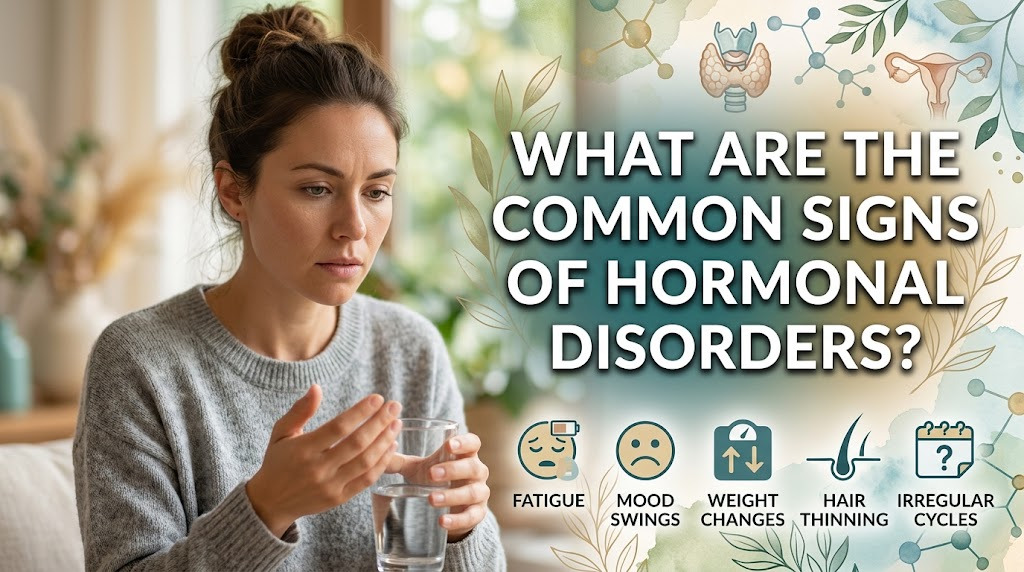
Hormonal disorders can affect many functions in the body because hormones help regulate metabolism, growth, energy, sleep, mood, and reproductive processes. When hormone production or activity changes, the body may respond with different physical or functional changes.
The signs of hormonal disorders can vary depending on the hormone involved and the underlying cause. Some symptoms may appear gradually, while others may become noticeable over a shorter period. Because many of these signs can also occur with other conditions, they should be considered as part of an overall health picture.
CHANGES IN ENERGY AND SLEEP
One common sign that may be associated with hormonal changes is a noticeable change in energy levels. A person may feel unusually tired, experience changes in their usual energy, or find it harder to maintain normal daily activities. Hormones involved in metabolism and other body processes can influence how the body manages energy.
Changes in sleep can also occur alongside hormonal changes. Difficulty sleeping, sleeping differently than usual, or feeling less rested may have many possible causes. Therefore, these symptoms do not automatically indicate a hormonal disorder and should be considered together with other changes.
CHANGES IN BODY WEIGHT AND APPETITE
Some hormonal disorders can be associated with changes in body weight or appetite. Hormones such as thyroid hormones and insulin play important roles in metabolism and blood sugar regulation. Changes in their function may influence energy use, appetite, or other metabolic processes.
However, body weight can naturally change because of many factors, including eating patterns, physical activity, sleep, stress, medications, and other health conditions. A change in weight alone is therefore not enough to identify a hormonal problem. Persistent or unexplained changes can be discussed with a healthcare professional.
CHANGES IN SKIN, HAIR, AND MOOD
Hormonal changes may also be associated with skin and hair changes. Certain hormones can influence oil production, hair growth, and other processes affecting the skin and hair. Changes in hormone levels may therefore appear alongside differences in these areas.
Mood can also be influenced by hormones and other body processes. Some people may notice changes in mood or emotional responses when their hormonal function changes. However, mood changes can have many causes, so they should not be used alone to identify a hormonal disorder.
CHANGES IN MENSTRUAL AND REPRODUCTIVE FUNCTIONS
Changes in the menstrual cycle can sometimes be associated with hormonal changes. The timing and pattern of menstruation are influenced by reproductive hormones, so changes in their regulation may affect the cycle. Other reproductive functions can also be influenced by hormonal changes.
Menstrual patterns can naturally vary, particularly during puberty and other stages of life. Stress, illness, changes in routine, and other factors may also affect menstruation. If unusual or persistent changes occur, medical evaluation can help determine the possible cause.
CONCLUSION
The common signs of hormonal disorders may include changes in energy, sleep, body weight, appetite, skin, hair, mood, or reproductive functions. The specific symptoms depend on the hormone and body system involved.
Because these signs can have many possible causes, they do not automatically indicate a hormonal disorder. Persistent, recurring, or concerning changes should be evaluated by a healthcare professional, who can determine whether further examination or hormone testing is appropriate.
Tentang Penulis
Gusti Ayu Tita P
Penulis — Universitas STEKOM
Penulis aktif yang berfokus pada isu-isu akademik, teknologi pendidikan, dan pengembangan sumber daya manusia di lingkungan kampus.















