
What Are the Signs of an Overwhelming Mental Burden?
Gusti Ayu Tita P
21 September 2026
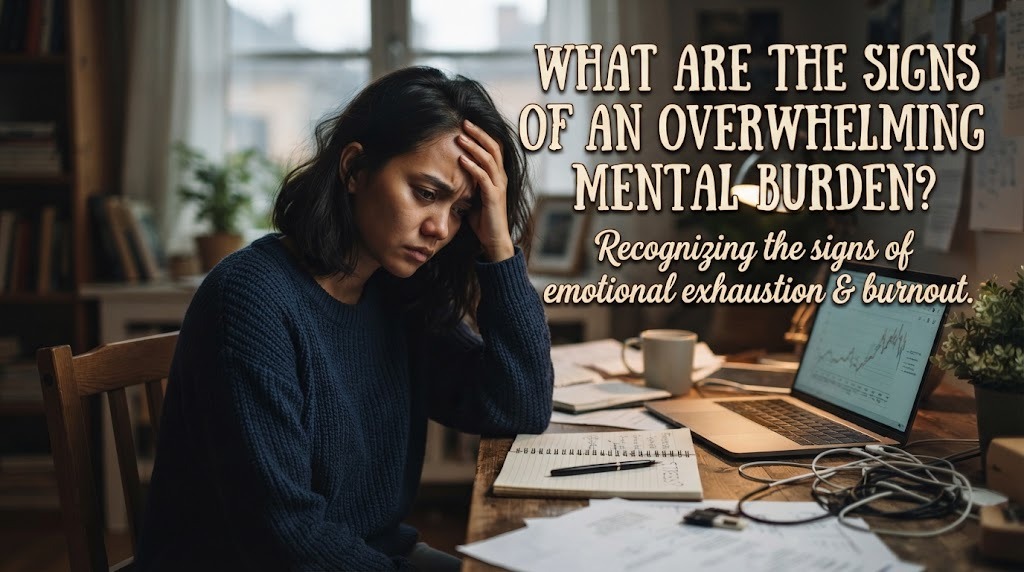
Mental burden can develop when worries, responsibilities, unresolved problems, and daily demands continue to occupy the mind. At first, the pressure may seem manageable, but it can become more difficult when several concerns accumulate. An overwhelming mental burden can affect thoughts, emotions, physical well-being, and daily routines. The signs may appear gradually, so they are not always easy to recognize immediately. Understanding these changes can help a person notice when their mental load needs more attention.
WHY CAN AN OVERWHELMING MENTAL BURDEN BE HARD TO NOTICE?
Mental burden often develops slowly rather than appearing all at once. A person may become accustomed to being busy, worried, or mentally tired and begin to consider these feelings normal. Gradual mental pressure can therefore remain unnoticed for a long time. Someone may continue working, studying, and completing responsibilities despite feeling increasingly exhausted. The changes may only become obvious when everyday activities start becoming more difficult.
People also experience mental burden differently. One person may become quiet and withdrawn, while another may become more irritable or restless. Individual responses can vary depending on circumstances, responsibilities, support systems, and coping habits. This means there is no single sign that proves someone is experiencing an overwhelming mental burden. Instead, it is useful to notice patterns and changes from a person's usual behavior.
HOW CAN MENTAL BURDEN AFFECT CONCENTRATION?
Difficulty focusing can be one of the noticeable effects of excessive mental pressure. A person may read the same information several times, forget simple details, or struggle to stay focused during conversations. Reduced concentration can happen when worries and unfinished thoughts compete with the task at hand. This can make work or study take longer than usual. Repeated distractions may also create additional frustration.
Mental burden can also make it difficult to organize thoughts. Someone may know what needs to be done but feel unsure about where to begin. Mental clutter can make several simple tasks appear connected and overwhelming. Writing down responsibilities and choosing one priority can help create a clearer structure. If concentration problems persist and significantly affect daily functioning, professional support may be appropriate.
WHAT EMOTIONAL CHANGES CAN INDICATE HEAVY MENTAL BURDEN?
Emotional changes can occur when a person has been under continuous mental pressure. Someone may feel unusually worried, frustrated, impatient, emotionally tired, or overwhelmed by situations that normally feel manageable. Persistent emotional strain can make it harder to respond calmly to everyday challenges. Small inconveniences may feel more difficult because the person's mental resources are already being used. These experiences can have many possible causes and should be considered in context.
A person may also lose interest in activities they usually enjoy. Social interaction may feel tiring, or they may prefer to spend more time alone. Changes in emotional responses are more important when they continue and begin interfering with normal routines. Observing how frequently these changes occur can provide useful information. Support from trusted people or qualified professionals may be appropriate when emotional difficulties become persistent.
CAN MENTAL BURDEN AFFECT SLEEP AND ENERGY?
Sleep problems can occur when the mind remains active with worries and unfinished thoughts. A person may struggle to relax at night, wake frequently, or feel mentally tired after sleeping. Poor sleep can make mental pressure harder to manage because the body and mind have less opportunity to recover. The following day may then feel more demanding. This can create a cycle between mental fatigue and ongoing pressure.
Changes in energy can also be noticeable during the day. Someone may feel tired even after completing relatively simple activities or may have less motivation to begin tasks. Persistent fatigue can have many causes, so it should not automatically be attributed to mental burden. Maintaining a regular sleep routine and allowing adequate recovery can support overall well-being. If sleep or fatigue problems continue, discussing them with a qualified professional may be useful.
HOW CAN MENTAL BURDEN CHANGE DAILY BEHAVIOR?
An overwhelming mental burden can influence how someone behaves in everyday situations. A person may begin avoiding responsibilities, delaying decisions, withdrawing from social activities, or having difficulty keeping up with normal routines. Changes in daily behavior can indicate that mental pressure is affecting functioning rather than remaining only as internal thoughts. These changes may become more noticeable when several responsibilities accumulate. The person may also feel frustrated because they want to maintain their routine but struggle to do so.
Some people respond to pressure by becoming excessively busy. They may keep working to avoid thinking about problems, leaving little time for recovery. Constant activity can sometimes hide mental exhaustion rather than resolve it. Creating realistic limits and scheduling recovery periods can help reveal how much pressure is actually being carried. If normal responsibilities repeatedly become difficult to manage, additional support may be worth considering.
WHEN SHOULD AN OVERWHELMING MENTAL BURDEN BE ADDRESSED?
Mental burden deserves attention when it begins interfering with important areas of daily life. This can include sleep, concentration, work, study, relationships, personal care, or normal responsibilities. The longer and more disruptive these changes become, the more important it is to consider additional support. A person does not need to wait until every area of life is affected before taking action. Early attention can help prevent ongoing pressure from becoming more difficult to manage.
Simple steps may include reducing unnecessary commitments, organizing responsibilities, taking regular breaks, and speaking with someone trusted. Professional support can be considered when difficulties persist or become difficult to manage independently. A qualified mental health professional can help explore possible causes and appropriate coping strategies. If someone feels at immediate risk of harming themselves or another person, urgent assistance through local emergency or crisis services should be sought.
CONCLUSION
Signs of an overwhelming mental burden can include difficulty concentrating, persistent emotional strain, sleep problems, fatigue, changes in behavior, and increasing difficulty managing everyday responsibilities. These signs may develop gradually and can vary from person to person. Paying attention to patterns rather than one isolated experience can make it easier to recognize when mental pressure is becoming excessive. Healthy routines, realistic priorities, regular recovery, social support, and professional guidance when needed can help manage ongoing mental burden. Taking these signs seriously can support better overall well-being and daily functioning.
Tentang Penulis
Gusti Ayu Tita P
Penulis — Universitas STEKOM
Penulis aktif yang berfokus pada isu-isu akademik, teknologi pendidikan, dan pengembangan sumber daya manusia di lingkungan kampus.















