
What Career Opportunities Are Related to the Beach Industry?
Gusti Ayu Tita P
22 September 2026
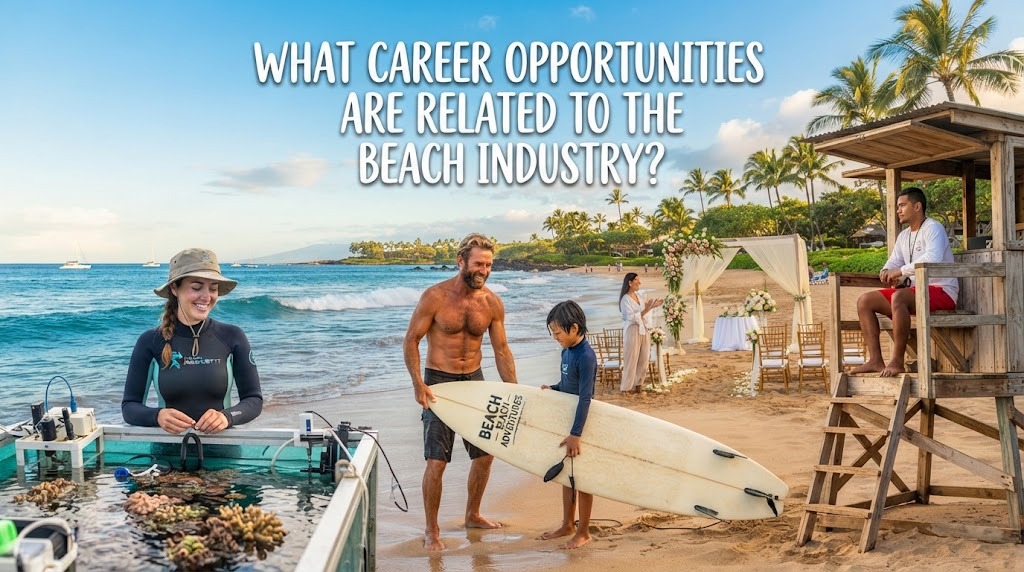
The beach industry includes many activities that support tourism, recreation, hospitality, business, and environmental protection. For people who enjoy coastal environments, this industry can provide different career opportunities based on their interests and skills. Some jobs involve direct interaction with tourists, while others focus on business operations, digital media, or environmental management. This makes the beach industry broader than simply working on the beach.
The growth of tourism can create demand for workers with communication, service, technical, creative, and management skills. People can also develop careers by combining their beach interests with modern digital skills. Understanding the different fields can help future workers identify opportunities that match their abilities. With appropriate education, training, and experience, a beach-related interest can become part of a professional career.
TOURISM AND TRAVEL SERVICES
Tourism is one of the major fields connected to beach destinations. Beach areas often attract domestic and international visitors who need information, transportation, accommodation, and recreational services. Career options can include tour guides, travel consultants, tourism staff, and destination coordinators. These roles require good communication and an understanding of visitor needs.
Workers in tourism often interact with people from different backgrounds. They need to communicate clearly, provide accurate information, and respond appropriately to different situations. Knowledge of foreign languages can also be useful when working with international visitors. Strong customer service skills can support better experiences for tourists.
HOSPITALITY AND HOTEL SERVICES
Hotels, resorts, guesthouses, and other accommodation businesses are closely connected to popular beach destinations. These businesses require employees for front office services, housekeeping, food and beverage operations, reservations, and management. People who enjoy working with others may find hospitality careers interesting. Each position has different responsibilities and skill requirements.
Hospitality workers need to understand service standards and maintain professional communication. They may also need to handle guest requests, solve problems, and work as part of a team. Experience in hospitality can help workers develop valuable skills in communication, organization, and customer relations. These abilities can support long-term career development in the tourism sector.
MARINE AND WATER ACTIVITIES
Beach destinations often provide opportunities for water-based recreation. Activities such as diving, snorkeling, surfing, kayaking, and paddleboarding can create jobs for trained professionals. Depending on the role, workers may become surf instructors, diving professionals, water activity guides, or recreation staff. Appropriate training and safety knowledge are essential for these positions.
Working around the water requires awareness of changing conditions and potential risks. Professionals need to follow safety procedures and understand the limits of their qualifications. Some roles may require specific certifications or training before someone can work professionally. Strong water safety knowledge is therefore an important part of this career area.
ENVIRONMENTAL AND MARINE CONSERVATION
Beach destinations also need people who can help protect coastal environments. Environmental organizations, research institutions, conservation projects, and government programs may involve work related to marine conservation. Career fields can include environmental education, coastal management, marine research, and conservation support. These roles can be suitable for people who are interested in science and environmental protection.
Professionals in this area may collect information, educate communities, monitor ecosystems, or support conservation programs. Their work can contribute to protecting marine life and coastal habitats. Relevant education in environmental science, marine science, biology, or related fields may be required for specialized positions. Environmental knowledge can therefore become an important professional asset.
DIGITAL CONTENT AND MARKETING
Modern beach tourism is strongly connected to digital platforms. Hotels, travel businesses, destinations, and tourism organizations use social media and online content to reach potential visitors. This creates opportunities for content creators, photographers, videographers, graphic designers, and digital marketers. People who enjoy beaches and digital media can combine both interests in this field.
Creating effective tourism content requires more than attractive photographs. Professionals need to understand storytelling, audience preferences, editing, branding, and digital marketing strategies. They may produce travel articles, short videos, promotional campaigns, or destination guides. Strong digital skills can help people build careers in this growing area.
BEACH BUSINESS AND ENTREPRENEURSHIP
Beach destinations can also provide opportunities for people who want to start their own businesses. Possible ideas include equipment rental, local food businesses, photography services, guided tours, souvenirs, transportation services, and tourism-related digital services. Successful businesses should respond to genuine customer needs while following local regulations. Good business planning is essential before investing money.
Entrepreneurs should also consider seasonality, competition, operating costs, location, and environmental impact. A business that depends heavily on tourism may experience changes in demand during different seasons. Sustainable practices can help protect the destination that supports the business. Combining creativity with responsible entrepreneurship can create useful opportunities around beach tourism.
CONCLUSION
The beach industry offers career opportunities in tourism, hospitality, water recreation, environmental conservation, digital media, and entrepreneurship. Each field requires different knowledge and skills, so people should choose opportunities based on their interests, abilities, and qualifications. Continuous learning and practical experience can help individuals prepare for professional roles. With the right preparation, a passion for coastal environments can become a foundation for a meaningful career.
Tentang Penulis
Gusti Ayu Tita P
Penulis — Universitas STEKOM
Penulis aktif yang berfokus pada isu-isu akademik, teknologi pendidikan, dan pengembangan sumber daya manusia di lingkungan kampus.















