
What Causes Common Nervous System Disorders?
Gusti Ayu Tita P
22 September 2026
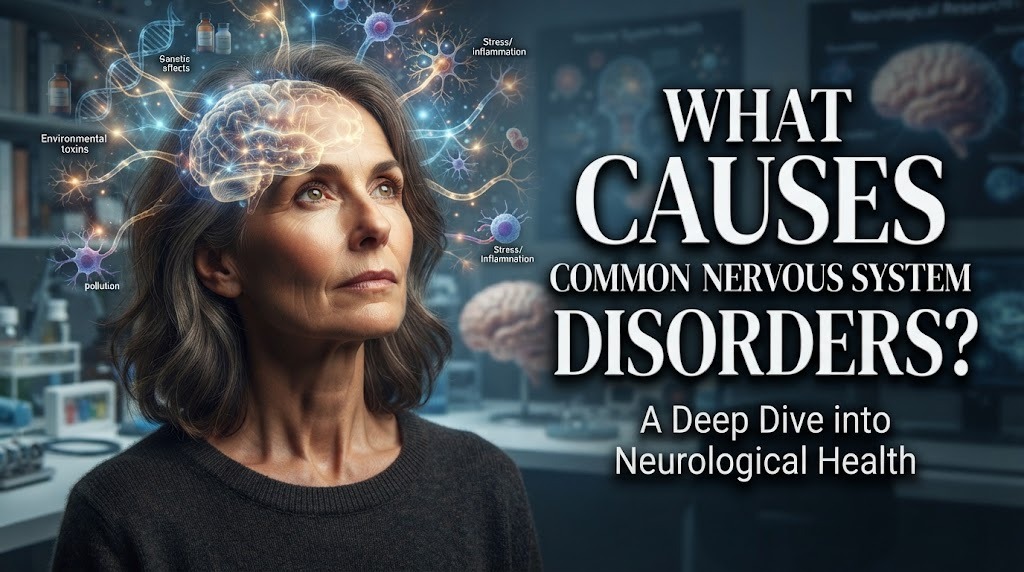
Nervous system disorders can develop when the brain, spinal cord, or nerves are affected by different conditions. The nervous system controls movement, sensation, thinking, coordination, and many automatic body functions. When its cells or tissues are damaged or disrupted, neurological symptoms may appear.
There is no single cause for all nervous system disorders. Some conditions are linked to genetics, infections, injuries, immune problems, or blood vessel changes, while others develop for reasons that are not fully understood. Identifying the possible cause can help healthcare professionals determine the appropriate evaluation and treatment.
GENETIC AND INHERITED FACTORS
Some nervous system disorders are linked to genetic changes that can be inherited or occur spontaneously. These changes may affect how nerve cells develop, function, or communicate. Inherited neurological conditions can sometimes appear during childhood, while others may not become noticeable until adulthood.
A family history of a neurological condition may increase the likelihood of certain inherited disorders. However, having a relative with a nervous system disorder does not automatically mean that someone will develop the same condition. Genetic factors vary between disorders. Medical and genetic evaluation may be appropriate when a hereditary condition is suspected.
INFECTIONS AND INFLAMMATION
Certain infections can affect the brain, spinal cord, or peripheral nerves. Viruses, bacteria, fungi, and other infectious organisms can sometimes cause inflammation or direct damage to nervous system tissues. Examples of neurological conditions associated with infections include meningitis and encephalitis.
Inflammation can also occur when the immune system mistakenly attacks parts of the nervous system. Some autoimmune neurological disorders develop through this type of immune response. The symptoms depend on which part of the nervous system is affected. Prompt medical care is important when an infection or serious inflammation is suspected.
INJURIES AND PHYSICAL DAMAGE
Physical injuries can damage the brain, spinal cord, or peripheral nerves. Head injuries and spinal cord injuries can interfere with nerve signals and may cause changes in movement, sensation, balance, or other functions. The effects depend on the location and severity of the injury.
Nerves outside the brain and spinal cord can also be damaged by accidents, pressure, or repeated physical stress. Some nerve injuries may improve over time, while others can cause long-term problems. Medical assessment is important after significant injuries, particularly when weakness, numbness, confusion, or loss of movement occurs.
BLOOD VESSEL AND METABOLIC PROBLEMS
The nervous system requires a constant supply of oxygen and nutrients through the blood. Problems affecting blood vessels can reduce blood flow to the brain and may cause conditions such as stroke. Long-term health problems that affect blood vessels can also increase neurological risks.
Metabolic conditions can affect nerves as well. For example, diabetes can damage peripheral nerves over time, leading to symptoms such as numbness, tingling, or pain. Managing underlying health conditions can therefore be an important part of protecting nervous system health.
OTHER RISK FACTORS AND UNKNOWN CAUSES
Some nervous system disorders may be associated with aging, exposure to harmful substances, certain medications, tumors, or other health conditions. The relationship between a risk factor and a disorder can vary depending on the specific condition. Having a risk factor does not necessarily mean that a person will develop a neurological disorder.
In some cases, doctors cannot identify one clear cause. Neurological diseases can result from several factors working together, and some conditions remain incompletely understood. A healthcare professional may use medical history, physical examination, and appropriate tests to investigate possible causes. This is why persistent or unusual neurological symptoms should not be self-diagnosed.
CONCLUSION
Common nervous system disorders can have many possible causes, including genetic factors, infections, inflammation, injuries, blood vessel problems, metabolic conditions, and other health factors. Some disorders have a well-understood cause, while others may develop through several factors or have no clearly identified cause.
Understanding the possible causes can help people recognize risk factors and seek appropriate medical care. Persistent, worsening, or sudden neurological symptoms should be evaluated by a healthcare professional, especially when they affect movement, speech, consciousness, or other important functions.
Tentang Penulis
Gusti Ayu Tita P
Penulis — Universitas STEKOM
Penulis aktif yang berfokus pada isu-isu akademik, teknologi pendidikan, dan pengembangan sumber daya manusia di lingkungan kampus.















