
What Does the Psychological Trauma Recovery Process Look Like?
Gusti Ayu Tita P
21 September 2026
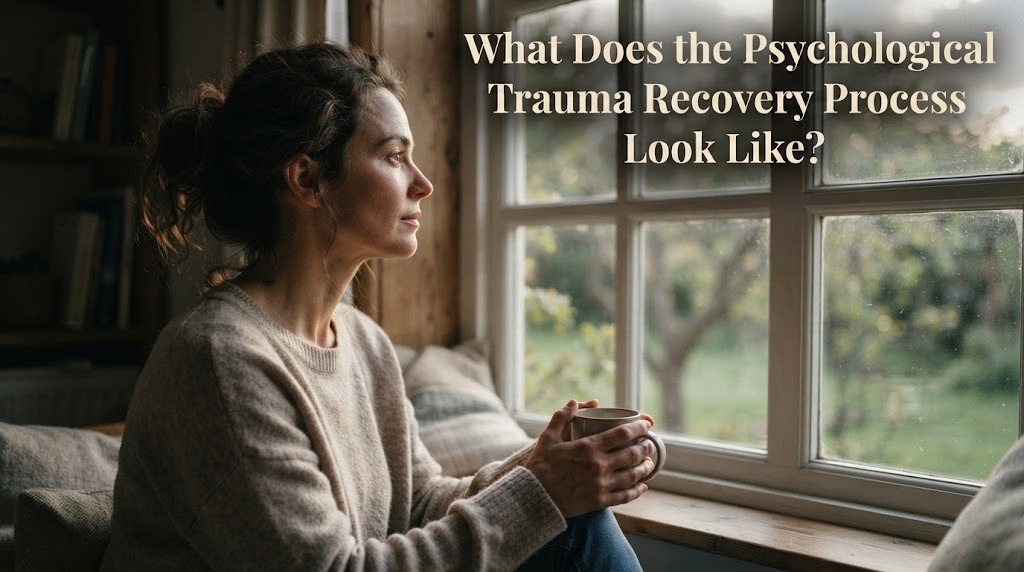
Psychological trauma recovery is a gradual process that can look different for every person. After a traumatic experience, someone may experience fear, sadness, anger, confusion, sleep problems, or difficulty feeling safe. Recovery does not always happen in a straight line, and some difficult feelings may return during stressful situations. The process usually involves rebuilding a sense of safety, understanding emotional reactions, and developing healthy ways to cope. With appropriate support, many people can gradually regain a sense of control and improve their daily lives.
RECOVERY OFTEN STARTS WITH FEELING SAFE
A sense of safety is an important part of psychological trauma recovery. After trauma, a person may remain alert to possible danger even when they are no longer in the traumatic situation. Creating a safe and stable environment can help reduce this constant feeling of threat. This may include having supportive people nearby, maintaining regular routines, and avoiding situations that are genuinely unsafe. Feeling safer can provide a foundation for dealing with other effects of trauma.
Safety can also involve emotional boundaries. A person may need time before discussing painful memories or returning to certain activities. Trusted friends and family members can support recovery by listening without pressure and respecting personal boundaries. When someone feels physically and emotionally safe, they may become more prepared to work through difficult experiences.
UNDERSTANDING TRAUMA REACTIONS
Another part of recovery is learning to understand reactions related to trauma. A person may experience unwanted memories, strong emotions, avoidance, difficulty concentrating, or changes in sleep. Understanding that these reactions can occur after traumatic experiences may help reduce confusion or self blame. It can also help a person recognize situations that trigger difficult feelings. However, not every trauma response means that someone has a mental health disorder.
Learning about personal reactions can make it easier to identify healthy coping strategies. Keeping a simple journal, practicing relaxation techniques, or talking with a trusted person may help someone recognize patterns. The goal is not to force difficult memories away but to develop healthier ways of responding to them. Professional guidance can be especially useful when reactions are persistent or interfere with everyday activities.
REBUILDING DAILY ROUTINES
Trauma can disrupt normal routines, making ordinary activities feel difficult. Someone may have trouble sleeping, studying, working, eating regularly, or maintaining social connections. Rebuilding simple daily routines can help restore a sense of structure and control. Regular sleep, nutritious meals, physical activity, and time for relaxation can support overall well being. These habits are not a replacement for professional treatment but can complement the recovery process.
It is often better to start with realistic goals rather than trying to change everything at once. For example, a person may begin by maintaining a regular sleeping schedule or completing one important task each day. Small achievements can provide a sense of progress and stability. Over time, these routines may make it easier to return to activities that were affected by the traumatic experience.
DEVELOPING HEALTHY COPING STRATEGIES
Healthy coping strategies can help a person manage difficult emotions and stressful situations. These strategies may include breathing exercises, physical activity, creative activities, talking with supportive people, or spending time in a calming environment. Different strategies work for different individuals, so finding suitable options may take time. Some people may need to try several approaches before discovering what helps them feel more balanced.
It is also important to recognize coping methods that may create additional problems. Excessive alcohol or drug use, harmful behaviors, or complete social isolation may provide temporary relief but can make recovery more difficult. Building healthier habits can support emotional stability and everyday functioning. A mental health professional can help someone identify coping strategies that are appropriate for their situation.
WORKING THROUGH DIFFICULT MEMORIES
For some people, recovery eventually involves addressing memories or emotions connected to the traumatic experience. This does not mean that someone has to repeatedly discuss the event on their own or force themselves to remember everything. Trauma-focused therapy can provide a structured and supportive environment for processing difficult experiences when appropriate. A qualified mental health professional can determine which approach may be suitable based on the person's needs.
Progress may involve learning that memories can exist without controlling everyday life. Some people gradually become less distressed when they encounter reminders of the past. Others may continue to experience occasional emotional reactions even after making significant progress. Recovery is not necessarily about completely forgetting the event but about reducing its disruptive impact on daily life.
REBUILDING TRUST AND SOCIAL CONNECTIONS
Trauma can affect relationships by making it difficult to trust others or feel comfortable in social situations. Some people may withdraw from friends and family, while others may become more sensitive to rejection or conflict. Rebuilding social connections can therefore be an important part of recovery. Starting with one or two trusted people may feel easier than immediately returning to large social groups. Healthy relationships can provide emotional support and a greater sense of connection.
At the same time, recovery should respect personal boundaries. Nobody should be pressured to trust someone or discuss their trauma before they feel ready. Supportive communication, patience, and consistency can help relationships become safer over time. Gradually developing positive social experiences may also help restore confidence in relationships.
SEEKING PROFESSIONAL SUPPORT
Professional support can be an important part of psychological trauma recovery, particularly when symptoms persist or interfere with daily life. Mental health professionals can help a person understand trauma-related reactions and develop appropriate coping skills. Depending on the situation, therapy may focus on thoughts, emotions, behaviors, memories, or relationship patterns. Treatment should be individualized rather than based on a single recovery timeline.
Seeking professional help does not mean that someone is weak or unable to recover independently. It can provide additional tools and guidance during a difficult period. If trauma-related symptoms become severe or someone has thoughts of self harm or suicide, immediate professional or emergency support is important. Recovery can take time, but getting appropriate help can make the process more manageable.
CONCLUSION
The psychological trauma recovery process often involves rebuilding safety, understanding trauma reactions, restoring routines, developing healthy coping strategies, and reconnecting with others. Some people may recover gradually, while others may experience setbacks or periods when symptoms become stronger. There is no single timeline that applies to everyone. Support from trusted people and qualified mental health professionals can help when trauma continues to affect daily life. Recovery does not require forgetting the past, but it can involve learning to live with greater safety, stability, and control.
Tentang Penulis
Gusti Ayu Tita P
Penulis — Universitas STEKOM
Penulis aktif yang berfokus pada isu-isu akademik, teknologi pendidikan, dan pengembangan sumber daya manusia di lingkungan kampus.















