
What Impact Can Genetic Disorders Have on Daily Life?
Gusti Ayu Tita P
22 September 2026
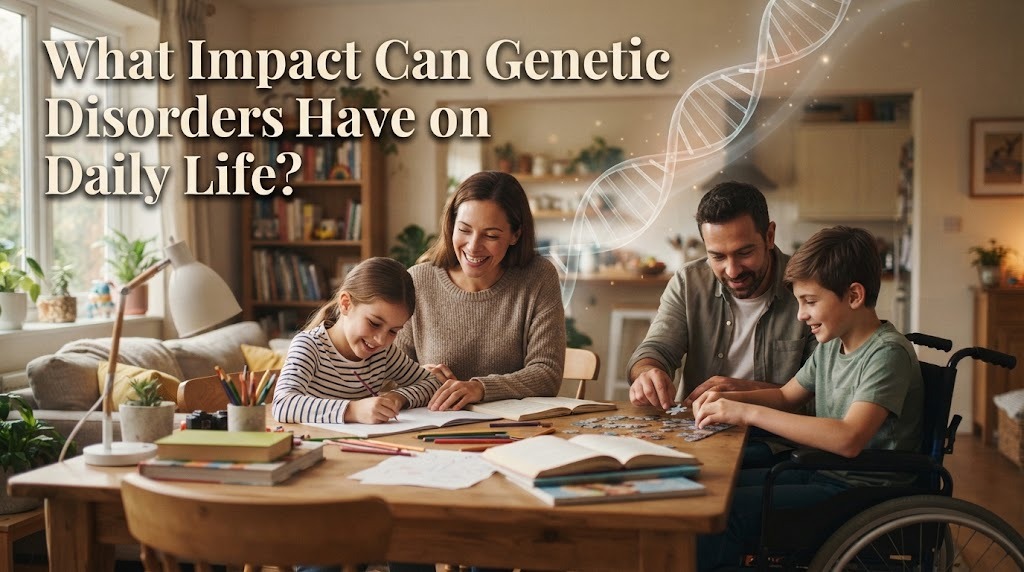
Genetic disorders can affect people in different ways depending on the type and severity of the condition. Some may cause noticeable symptoms from childhood, while others may appear later in life. These conditions can influence physical health, emotional well-being, education, work, and social activities. Understanding these effects can help individuals and families find appropriate support and manage daily challenges.
HOW CAN GENETIC DISORDERS AFFECT PHYSICAL HEALTH?
Genetic disorders can affect different parts of the body because genes provide instructions for how cells and organs function. Some conditions may cause problems involving movement, growth, metabolism, the nervous system, or other body functions. The severity of symptoms can vary significantly between individuals with the same condition.
Some people may need regular medical appointments, medications, therapy, or other forms of healthcare. Others may experience mild symptoms that have a smaller effect on everyday activities. The impact depends on the specific genetic condition and the individual's overall health.
CAN GENETIC DISORDERS AFFECT EDUCATION AND WORK?
Certain genetic disorders can make learning, concentration, communication, or physical activities more challenging. Children with some genetic conditions may need additional educational support or adjustments in the classroom. However, having a genetic disorder does not automatically prevent someone from learning or developing skills.
In adulthood, some conditions may affect a person's ability to perform particular tasks or maintain a certain work schedule. Workplace accommodations can sometimes make it easier for individuals to participate effectively. The appropriate support depends on the person's abilities, symptoms, and work environment.
HOW CAN GENETIC DISORDERS AFFECT EMOTIONAL WELL-BEING?
Living with a genetic disorder can sometimes create emotional challenges. Individuals may experience frustration, uncertainty, stress, or concerns about their future and health. These feelings can be particularly difficult when a condition requires long-term medical care.
Family members may also experience emotional pressure when supporting someone with a genetic condition. Emotional and social support can therefore be an important part of managing life with a genetic disorder. Talking with healthcare professionals, counselors, support groups, or trusted people may help individuals cope with these challenges.
DO GENETIC DISORDERS AFFECT SOCIAL LIFE?
Some genetic disorders can influence a person's ability to participate in social activities. Physical limitations, communication difficulties, frequent medical appointments, or visible symptoms may sometimes create barriers to social interaction. In some cases, people may also face misunderstanding from others who do not know much about the condition.
Supportive family members, friends, schools, and workplaces can make social participation easier. Creating an inclusive environment can help individuals take part in activities according to their abilities. Social support can also contribute to confidence and overall quality of life.
HOW CAN GENETIC DISORDERS AFFECT DAILY ROUTINES?
Daily routines may change when a person needs regular treatment, medication, therapy, or medical monitoring. Some individuals may need additional time to complete everyday activities or may need assistance with certain tasks. Others may be able to maintain most of their normal routines with only minor adjustments.
Planning can help individuals manage appointments, treatment schedules, education, work, and personal activities. Daily management strategies should be adapted to the person's specific needs rather than assuming that everyone with the same condition has identical challenges.
WHAT SUPPORT CAN HELP PEOPLE MANAGE DAILY LIFE?
People living with genetic disorders may benefit from different types of support depending on their condition. Medical care can help manage symptoms, while physical, occupational, or speech therapy may be useful for certain difficulties. Educational and workplace adjustments may also help individuals participate more independently.
Family support and professional guidance can be equally important. Genetic counseling may help individuals and families understand the condition, while mental health support can address emotional challenges when needed. A coordinated approach can make it easier to manage the condition while maintaining daily activities.
CONCLUSION
Genetic disorders can affect many aspects of daily life, including health, education, work, emotional well-being, and social activities. The impact varies greatly because genetic conditions differ in their symptoms and severity. Some people may need extensive long-term support, while others may experience relatively limited effects. Appropriate medical care, social support, and practical adjustments can help individuals manage everyday challenges. Understanding each person's needs is important for promoting independence and quality of life.
Tentang Penulis
Gusti Ayu Tita P
Penulis — Universitas STEKOM
Penulis aktif yang berfokus pada isu-isu akademik, teknologi pendidikan, dan pengembangan sumber daya manusia di lingkungan kampus.















