
What Is a Genetic Disorder and How Does It Affect Health?
Gusti Ayu Tita P
22 September 2026
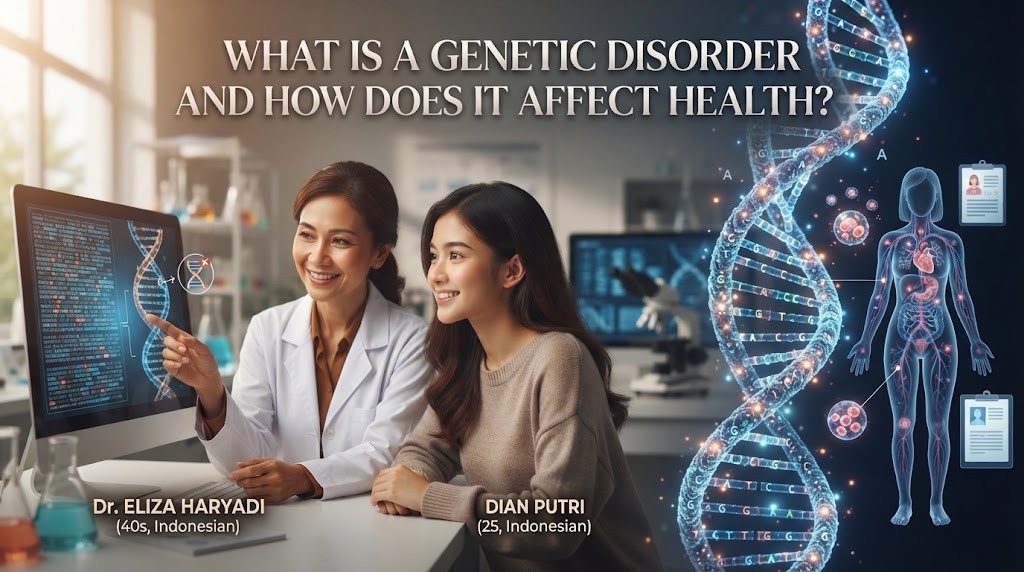
Genetic disorders are health conditions caused by changes or abnormalities in a person’s genes or chromosomes. These changes can affect how the body develops, functions, or responds to certain conditions. Some genetic disorders are inherited from parents, while others develop because of genetic changes that occur during a person’s life. The effects can range from mild symptoms to serious health problems that require long-term medical care. Understanding genetic disorders can help people recognize their causes, symptoms, and possible effects on overall health.
WHAT IS A GENETIC DISORDER?
A genetic disorder is a medical condition that occurs when there is a harmful change in DNA or when chromosomes have an abnormal structure or number. DNA contains genetic instructions that help the body produce proteins and control important biological processes. When these instructions are altered, certain cells or organs may not work normally. Some disorders involve a change in a single gene, while others result from changes affecting multiple genes or chromosomes.
Genetic disorders can appear at different stages of life. Some are present at birth and may cause noticeable symptoms during childhood, while others may not become apparent until adolescence or adulthood. The severity of a condition can also differ between individuals, even among people with the same disorder. Therefore, a genetic condition does not always produce the same symptoms or health effects in every person.
WHAT CAUSES GENETIC DISORDERS?
Genetic disorders can have several different causes. Some result from inherited gene changes passed from parents to their children. Others occur because of new genetic changes, sometimes called variants or mutations, that arise in an egg, sperm, embryo, or body cell. Chromosomal abnormalities, such as having an extra or missing chromosome, can also cause certain genetic conditions.
Inheritance patterns vary depending on the specific disorder. Some conditions are autosomal dominant, meaning one altered copy of a gene can be sufficient to cause the condition. Others are autosomal recessive, meaning a person generally needs altered copies from both parents. There are also X-linked conditions and disorders caused by changes in mitochondrial DNA, so understanding the exact genetic mechanism is important when assessing family risk.
HOW DO GENETIC DISORDERS AFFECT HEALTH?
The effects of genetic disorders depend on the genes or chromosomes involved and the role they play in the body. Some conditions mainly affect one organ or body system, while others can influence several systems at the same time. Possible effects include developmental difficulties, problems with metabolism, changes in physical growth, neurological symptoms, or abnormalities involving the heart and other organs.
Some genetic health conditions can cause symptoms that remain throughout life, while others may be manageable with appropriate treatment. A person's environment, lifestyle, access to healthcare, and other genetic factors can also influence how a condition develops. In some cases, people may have a genetic change without developing significant symptoms, which shows why genetic information must be interpreted carefully.
COMMON TYPES OF GENETIC DISORDERS
There are many types of genetic disorders, and they can be classified according to the genetic changes involved. Single-gene disorders occur when a change in one gene affects normal biological functions. Examples include cystic fibrosis, sickle cell disease, and Huntington disease. Each condition has different symptoms, inheritance patterns, and treatment approaches.
Another category includes chromosomal disorders, which occur when chromosomes have an abnormal number or structure. Down syndrome, for example, is commonly associated with an extra copy of chromosome 21. Genetic disorders can also involve multiple genes and environmental factors, making their causes more complex. Because genetic conditions are diverse, medical evaluation is necessary to determine the specific diagnosis.
HOW ARE GENETIC DISORDERS DIAGNOSED AND TREATED?
Doctors may diagnose a genetic disorder by combining medical history, physical examination, family history, and specialized genetic testing. Depending on the suspected condition, testing may examine individual genes, groups of genes, chromosomes, or broader portions of a person's DNA. Prenatal testing may also be considered in certain situations when there is a known risk of a genetic condition. Genetic counseling can help individuals and families understand what test results may mean.
Treatment depends on the specific disorder and its effects on the body. Some conditions can be managed with medicines, surgery, dietary changes, physical therapy, or other supportive treatments. In selected conditions, targeted therapies or gene-based treatments may be available or under development. Although many genetic disorders cannot currently be cured, appropriate medical care can help manage symptoms and improve quality of life.
CAN GENETIC DISORDERS BE PREVENTED?
Not all genetic disorders can be prevented because some are caused by inherited or spontaneous genetic changes that cannot be controlled. However, people with a family history of certain genetic conditions may benefit from genetic counseling before having children. A counselor can explain inheritance patterns, possible risks, and available testing options without making decisions for the family.
For some conditions, early diagnosis can make an important difference even when prevention is not possible. Regular medical monitoring may help identify complications before they become more serious. Maintaining healthy habits can also support general health, although lifestyle changes cannot eliminate an inherited genetic disorder. The most appropriate approach depends on the specific condition, individual circumstances, and medical advice.
CONCLUSION
A genetic disorder is a health condition associated with changes in genes or chromosomes. It may be inherited from parents or arise from a new genetic change, and its effects can range from mild to severe. Genetic disorders can influence development, metabolism, organ function, and many other aspects of health. Genetic testing, medical care, and genetic counseling can help individuals understand and manage these conditions. Although many genetic disorders cannot currently be prevented or cured, early diagnosis and appropriate treatment can support better health and quality of life.
Tentang Penulis
Gusti Ayu Tita P
Penulis — Universitas STEKOM
Penulis aktif yang berfokus pada isu-isu akademik, teknologi pendidikan, dan pengembangan sumber daya manusia di lingkungan kampus.















