
What Is the Difference Between Hormonal Disorders and Hormonal Imbalance?
Gusti Ayu Tita P
22 September 2026
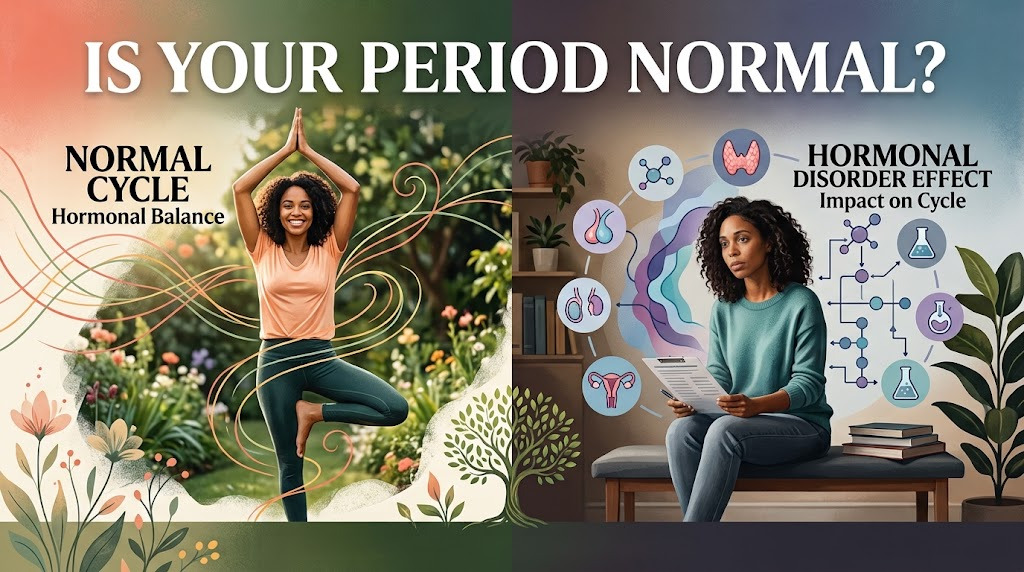
The terms hormonal disorders and hormonal imbalance are often used when discussing changes in hormone levels or hormone function. Although they can be related, the two terms do not always have exactly the same meaning. A hormonal disorder generally refers to a recognized health condition involving abnormal hormone production, regulation, or function. Meanwhile, hormonal imbalance is a broader term that is often used to describe hormone levels that are considered too high, too low, or otherwise outside their expected range.
WHAT IS A HORMONAL DISORDER?
A hormonal disorder is a condition that affects the production, regulation, or function of hormones in the body. It can involve endocrine glands such as the thyroid, pituitary gland, adrenal glands, pancreas, or reproductive glands. The effects depend on which hormone system is affected and how the condition changes normal body functions.
Hormonal disorders can have different causes, including problems involving endocrine glands, certain medical conditions, genetic factors, or other influences. Examples include some thyroid disorders, diabetes involving insulin regulation, and certain conditions affecting reproductive or adrenal hormones. Diagnosis generally requires an appropriate medical evaluation rather than relying on symptoms alone.
WHAT DOES HORMONAL IMBALANCE MEAN?
Hormonal imbalance is a broad expression commonly used to describe a situation in which one or more hormone levels may be outside their expected range. Hormone levels naturally change throughout the day and during different stages of life, so variation does not automatically mean that a person has a disorder.
The term can be used in everyday health discussions, but its meaning depends on the context. A temporary hormonal change may occur as part of normal biological processes, while persistent changes can sometimes be associated with an underlying medical condition. For this reason, the phrase “hormonal imbalance” alone does not identify a specific diagnosis.
HOW ARE THE TWO TERMS RELATED?
A hormonal disorder can involve a hormone imbalance, but not every hormonal change necessarily represents a hormonal disorder. For example, hormone levels can naturally fluctuate during puberty, the menstrual cycle, pregnancy, or other stages of life. These normal changes should be distinguished from changes caused by an endocrine condition.
The relationship between the two terms therefore depends on the underlying cause and the person's overall health. Medical professionals consider symptoms, medical history, physical findings, and appropriate test results when determining whether a hormonal change may be related to a specific condition. This prevents normal hormonal variation from being automatically treated as a disease.
WHY IS A MEDICAL EVALUATION IMPORTANT?
Symptoms sometimes associated with hormonal changes, such as fatigue, weight changes, mood changes, menstrual changes, or sleep problems, can have many possible causes. Identifying the cause requires more than simply assuming that a hormone imbalance is responsible. A healthcare professional can determine whether further evaluation or testing is appropriate.
Hormone tests are also interpreted according to factors such as age, sex, time of testing, medications, and the specific hormone being measured. A result outside a typical range does not necessarily mean that a hormonal disorder is present. Looking at the complete clinical picture helps provide a more accurate understanding of the situation.
CONCLUSION
The main difference between hormonal disorders and hormonal imbalance is how broadly the terms are used. A hormonal disorder generally refers to a specific health condition involving abnormal hormone production or function, while hormonal imbalance is a broader term that can describe changes in hormone levels without identifying a particular diagnosis.
Hormone levels naturally fluctuate, so not every hormonal change indicates a medical problem. When persistent or unusual symptoms occur, a healthcare professional can evaluate the situation and determine whether the changes are related to a hormonal disorder or another cause.
Tentang Penulis
Gusti Ayu Tita P
Penulis — Universitas STEKOM
Penulis aktif yang berfokus pada isu-isu akademik, teknologi pendidikan, dan pengembangan sumber daya manusia di lingkungan kampus.















