
What Life Lessons Can Mountain Kids Learn From Hiking?
Gusti Ayu Tita P
22 September 2026
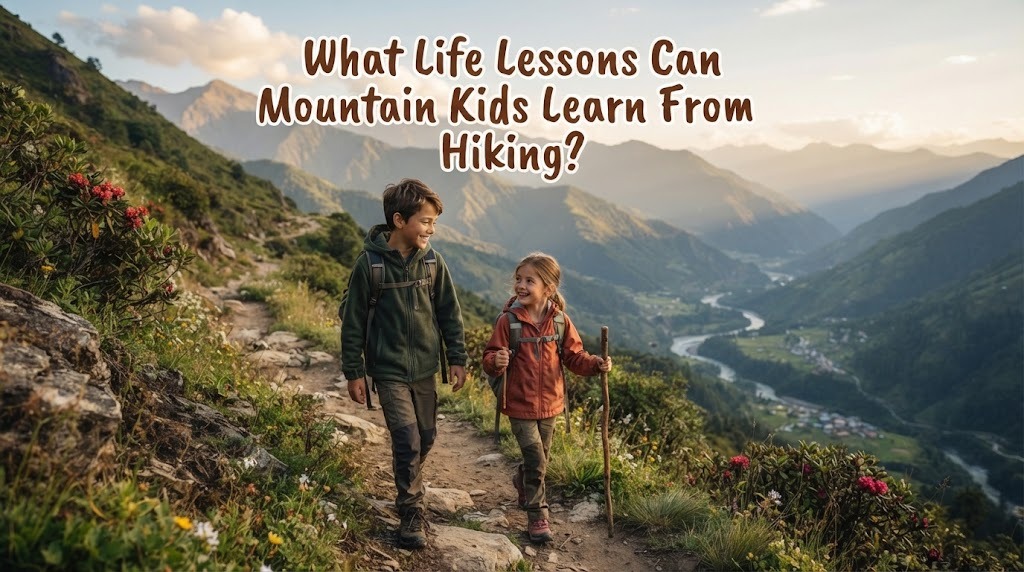
Hiking is more than a physical activity because it can provide valuable life lessons. For mountain kids, walking through forests, climbing hills, and reaching viewpoints can become meaningful experiences. The challenges found on a trail can teach people how to be patient, responsible, and prepared. These lessons can also be useful in school, work, friendships, and everyday life.
LEARNING TO BE PATIENT
One important lesson mountain kids can learn from hiking is patience. Reaching the top of a mountain often takes time, and hikers cannot always move as quickly as they want. Steep trails, tiredness, and difficult terrain may require them to slow down. This teaches hikers that meaningful goals often require consistent effort.
Patience is also useful when a journey does not go according to plan. A hiker may need to wait for friends, rest, or deal with changing weather. Instead of becoming frustrated, they can learn to stay calm and continue step by step. This mindset can be applied to many situations outside hiking.
UNDERSTANDING THE VALUE OF PREPARATION
Hiking teaches mountain kids that good preparation matters. Before starting a trip, hikers need to consider the route, weather, physical condition, food, water, and necessary equipment. Preparation can reduce avoidable problems during the journey. It also encourages people to think about safety before taking action.
This lesson can be applied to everyday responsibilities. Students, workers, and other people can prepare before an important activity or challenge. By planning ahead, they can become more organized and responsible. Hiking shows that preparation is not about expecting everything to go perfectly but about being ready for possible situations.
DEVELOPING COURAGE
Mountain trails can sometimes feel challenging, especially when hikers face steep climbs, unfamiliar paths, or difficult conditions. These situations can help mountain kids develop courage and confidence. Courage does not mean ignoring fear or taking unnecessary risks. Instead, it means understanding a challenge and responding to it carefully.
Hikers can gradually become more confident when they successfully complete difficult sections of a trail. Each experience can teach them that small progress matters. They may become more willing to face new situations while still respecting their limits. This lesson can be valuable when dealing with challenges in daily life.
LEARNING TO RESPECT PERSONAL LIMITS
Hiking also teaches people to understand their physical and mental limits. Not every hiker can walk at the same speed or complete the same route. Feeling tired, unwell, or unsafe is a reason to rest or reconsider the plan. Recognizing these signs is an important part of responsible hiking.
Understanding limits does not mean giving up easily. It means knowing when to continue safely and when to stop. Mountain kids can learn that pushing themselves without considering safety can create unnecessary risks. This understanding can help them make wiser decisions in other parts of life.
BUILDING TEAMWORK
Hiking with others provides opportunities to learn teamwork and cooperation. Group members may need to share supplies, communicate about the route, and help friends who are having difficulties. Everyone can contribute according to their abilities. These actions can make the journey safer and more enjoyable.
Teamwork also teaches mountain kids that success is not always an individual achievement. A group can reach its destination more effectively when members support and respect each other. Learning to listen, communicate, and cooperate can strengthen relationships. These skills are useful in classrooms, workplaces, organizations, and communities.
LEARNING FROM MISTAKES
Not every hiking experience will be perfect. A hiker may forget an item, misjudge their energy, or make a poor decision about timing. These experiences can become opportunities to learn from mistakes. Instead of focusing only on what went wrong, hikers can think about how to avoid similar problems in the future.
This habit encourages a growth mindset. Mistakes can provide useful information when people are willing to reflect on them. Mountain kids can become more careful and better prepared after each experience. The same approach can help them improve in school, work, and personal activities.
APPRECIATING SIMPLE THINGS
Hiking can teach mountain kids to appreciate simple moments and experiences. A short rest, clean water, fresh air, a beautiful view, or a conversation with friends can feel meaningful during a long journey. These moments may seem ordinary in daily life but can become special in nature. Hiking encourages people to slow down and notice what is around them.
This lesson can help people develop gratitude. They may become more aware of the value of time, friendship, health, and natural surroundings. Appreciating simple things does not require expensive activities or complicated plans. Sometimes, a peaceful moment and a memorable journey can be enough.
CONCLUSION
Mountain kids can learn many valuable life lessons from hiking, including patience, preparation, courage, responsibility, teamwork, and gratitude. Difficult trails can teach them to keep moving while understanding their personal limits. Experiences in nature can also encourage people to learn from mistakes and appreciate simple moments. These lessons can remain useful long after the hiking trip has ended.
Tentang Penulis
Gusti Ayu Tita P
Penulis — Universitas STEKOM
Penulis aktif yang berfokus pada isu-isu akademik, teknologi pendidikan, dan pengembangan sumber daya manusia di lingkungan kampus.















