
What Positive Habits Do Mountain Kids Have?
Gusti Ayu Tita P
22 September 2026
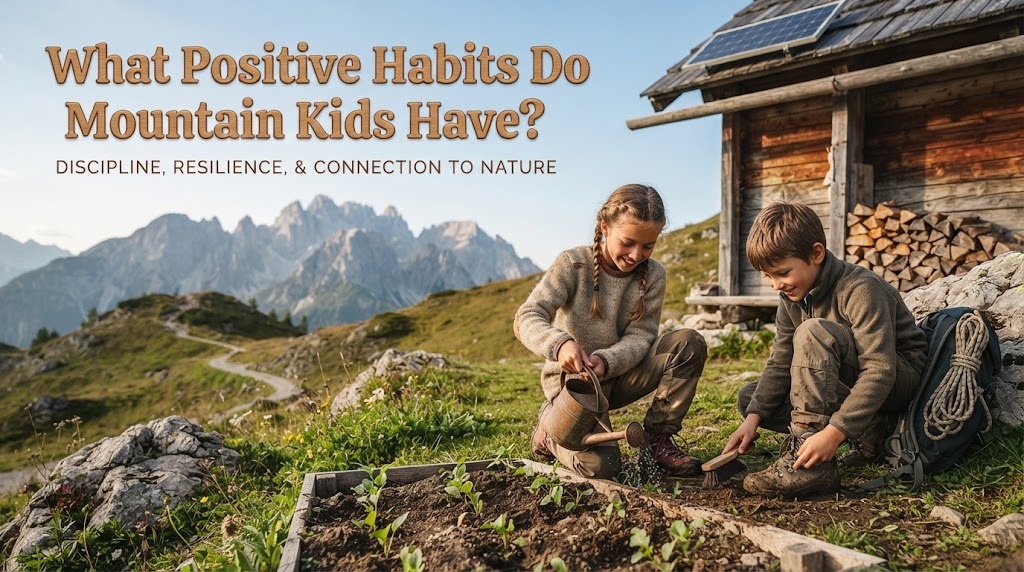
Mountain kids are an informal term for people who enjoy mountains, hiking, and outdoor activities. Spending time in nature can encourage them to develop useful habits during their journeys. These habits may include preparation, discipline, teamwork, patience, and care for the environment. However, not every mountain kid has the same habits because people have different personalities and experiences. Positive habits usually grow from repeated experiences and responsible behavior.
THEY PREPARE BEFORE HIKING
One positive habit of mountain kids is preparing before starting a hike. They may check the route, weather conditions, distance, and difficulty of the trail. They can also prepare enough water, food, clothing, navigation tools, and other necessary equipment. Good preparation helps hikers understand what they may face during the journey. It also supports safer and more organized outdoor activities.
THEY RESPECT TIME
Mountain kids often understand that time management is important during hiking. They need to consider the starting time, estimated walking duration, rest periods, and available daylight. Leaving too late can create unnecessary problems, especially on longer or more difficult trails. Managing time carefully can help hikers avoid rushing when conditions change. This habit can also be useful in school, work, and daily activities.
THEY KEEP NATURE CLEAN
Responsible mountain kids develop the habit of protecting the natural environment. They carry their personal waste instead of leaving plastic, food packaging, or other rubbish on the trail. They also avoid damaging plants and disturbing wildlife. Keeping the environment clean helps preserve the beauty and health of natural areas. This simple habit shows respect for nature and other visitors.
THEY WORK WELL WITH OTHERS
Hiking with friends or groups can teach mountain kids to practice teamwork and communication. Group members may need to share supplies, discuss decisions, and help someone who is having difficulties. They also need to respect differences in physical ability and walking speed. Good teamwork can make a journey safer and more enjoyable. These habits can be valuable in school, work, and social situations.
THEY PRACTICE PATIENCE
Mountain kids often need patience because hiking does not always happen according to plan. A long trail, steep climb, tired body, or changing weather can slow down the journey. Instead of rushing, hikers can take appropriate breaks and continue at a manageable pace. This teaches them to focus on progress rather than expecting immediate results. Patience developed through outdoor experiences can also support them when facing everyday challenges.
THEY PAY ATTENTION TO THEIR CONDITION
A positive hiking habit is knowing when to rest and check personal condition. Hikers need to notice signs of excessive tiredness, dehydration, discomfort, or other problems. Ignoring these signs can increase risks during outdoor activities. Taking a break, drinking enough water, or changing plans can be responsible choices when needed. This habit encourages self-awareness and responsible decision making.
THEY LEARN FROM EVERY EXPERIENCE
Mountain kids can develop a habit of learning from each hiking experience. After a trip, they may think about what went well and what could be improved. Problems with equipment, route planning, time management, or physical preparation can become useful lessons. This allows them to make better preparations for future journeys. Learning from experience can gradually improve their skills, confidence, and awareness.
THEY RESPECT THE HIKING PROCESS
Mountain kids can learn to enjoy the process instead of focusing only on reaching the destination. Walking through forests, resting along the trail, enjoying the scenery, and helping friends are all parts of the experience. They understand that every step contributes to the journey. This mindset can help them appreciate small achievements and remain patient. It also teaches them to respect their own abilities and limits.
CONCLUSION
Mountain kids can develop many positive habits through responsible hiking and outdoor activities. Preparation, time management, environmental care, teamwork, patience, self-awareness, and continuous learning are some examples. These habits can make hiking more organized and enjoyable while also providing useful lessons for everyday life. However, positive habits depend on each person's choices and experiences rather than simply being a mountain kid. By practicing responsible outdoor behavior, hikers can enjoy nature while becoming more disciplined, aware, and respectful.
Tentang Penulis
Gusti Ayu Tita P
Penulis — Universitas STEKOM
Penulis aktif yang berfokus pada isu-isu akademik, teknologi pendidikan, dan pengembangan sumber daya manusia di lingkungan kampus.















