What Types Of Marine Tourism Can Travelers Try?
Gusti Ayu Tita P
23 September 2026
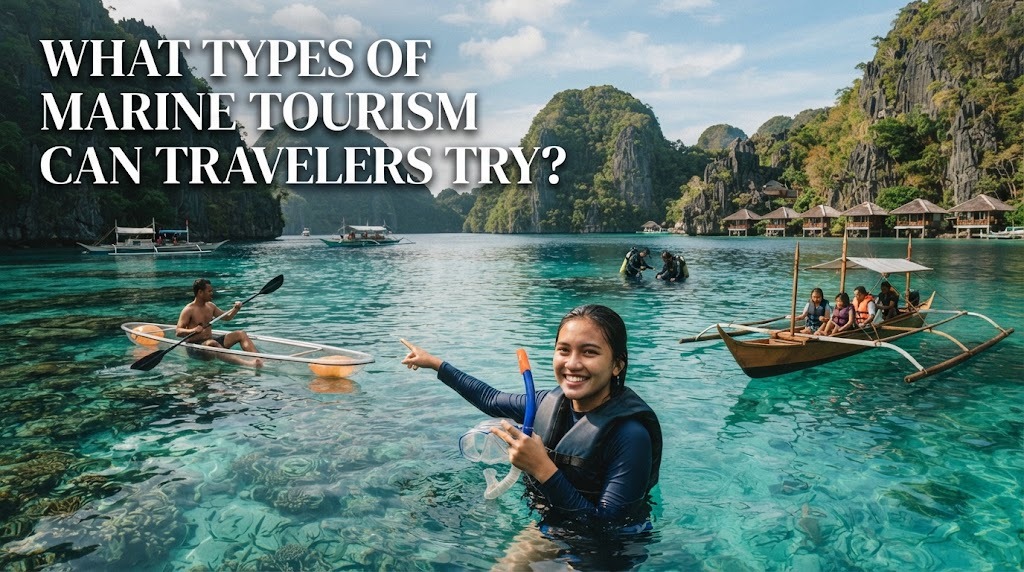
Marine tourism offers many ways for travelers to enjoy the beauty of oceans, beaches, islands, and coastal environments. The activities can range from relaxing experiences to exciting water adventures. Travelers can choose activities based on their interests, experience, physical ability, and safety conditions. Understanding the different types of marine tourism can help travelers select activities that match their needs.
BEACH TOURISM
Beach tourism is one of the simplest and most accessible forms of marine tourism. Travelers can relax on the sand, walk along the coastline, swim in designated areas, or enjoy the scenery. Beaches can also be suitable for families because many activities do not require special equipment. However, visitors should still follow local safety rules and pay attention to sea conditions.
Beach destinations can offer different experiences depending on their natural environment. Some beaches are suitable for quiet relaxation, while others are popular for recreation and water activities. Travelers should avoid leaving waste behind and should respect protected coastal areas. Responsible beach tourism helps keep coastal environments clean and attractive.
SNORKELING
Snorkeling allows travelers to observe underwater environments near the surface using a mask, snorkel, and usually fins. It can provide an opportunity to see colorful fish, coral reefs, and other marine life. Beginners can often learn basic snorkeling skills quickly when conditions are calm and suitable. Travelers should use properly fitted equipment and follow instructions from guides.
Snorkelers should avoid touching or standing on coral because reefs are fragile. They should also maintain a safe distance from marine animals and avoid feeding wildlife unless specifically permitted by responsible authorities or operators. Choosing a suitable location and checking sea conditions are important for safety. Careful snorkeling allows travelers to enjoy marine life without damaging the ecosystem.
SCUBA DIVING
Scuba diving allows travelers to explore underwater environments at greater depths than snorkeling. Divers can discover coral reefs, underwater rock formations, marine animals, and other features that may not be visible from the surface. Because diving requires specialized equipment and training, beginners should learn from qualified instructors. Following established diving procedures is essential for safety.
Divers also need to understand their personal limits and the conditions of the dive site. They should check equipment before entering the water and follow their instructor or dive guide. Responsible divers avoid touching marine life and do not remove coral, shells, or other natural objects. Safe diving practices protect both the diver and the underwater environment.
BOAT TOURISM
Boat tourism gives travelers a chance to explore coastlines, islands, bays, and marine landscapes from the water. Different types of boats can provide sightseeing trips, island tours, sunset cruises, or transportation between destinations. These activities can be suitable for people who prefer to enjoy the ocean without participating in intense water sports. Travelers should choose operators that provide appropriate safety equipment.
Before boarding, check important information such as the route, duration, weather conditions, and safety procedures. Wearing a life jacket when required is particularly important during boat activities. Travelers should also avoid throwing waste into the ocean during the trip. Responsible boat tourism can provide enjoyable experiences while reducing environmental impacts.
FISHING TOURISM
Fishing tourism allows travelers to experience recreational fishing in coastal or offshore waters. It can be a relaxing activity and may also provide an opportunity to learn about local fishing traditions. Trips can be organized with experienced local guides who understand the surrounding waters. Beginners should follow the guide's instructions and use equipment appropriate for the activity.
Fishing activities should follow local regulations regarding protected species, seasons, locations, and catch limits. Travelers should avoid catching marine animals that are protected or not permitted to be harvested. In some destinations, catch and release may be encouraged for certain recreational activities. Responsible fishing helps reduce pressure on marine ecosystems.
KAYAKING AND PADDLE ACTIVITIES
Kayaking and other paddle activities allow travelers to explore coastal waters, lagoons, rivers near the coast, and mangrove areas. These activities can provide exercise while offering a closer view of coastal landscapes. They are often enjoyable in calm water with suitable weather conditions. Beginners should receive basic instructions before starting.
Travelers should wear appropriate safety equipment and stay within areas suitable for their experience level. It is important to check tides, weather, currents, and local restrictions before paddling. Avoid approaching dangerous wildlife or entering restricted areas. Proper preparation can make kayaking both enjoyable and safer.
MARINE WILDLIFE TOURISM
Marine wildlife tourism focuses on observing dolphins, sea turtles, whales, seabirds, and other marine animals in their natural environment. These experiences can help travelers appreciate marine biodiversity without directly interacting with animals. Wildlife tours should be conducted by operators that follow appropriate observation guidelines. Maintaining a safe distance is important to avoid causing stress or changing animal behavior.
Travelers should never chase, touch, or intentionally disturb marine animals. They should also avoid operators that encourage harmful interactions for entertainment. Following responsible wildlife tourism practices can help protect animals and their habitats. Respect for marine wildlife makes these experiences more educational and sustainable.
CONCLUSION
Travelers can try many types of marine tourism depending on their interests and experience. Beach tourism, snorkeling, scuba diving, boat tours, fishing, kayaking, and wildlife tourism each provide different ways to enjoy marine environments. Safety, proper preparation, and respect for nature should always be considered before participating in an activity. Travelers should also follow local regulations and choose responsible tourism providers. With the right choices, marine tourism can offer exciting experiences while helping protect the ocean.
Tentang Penulis
Gusti Ayu Tita P
Penulis — Universitas STEKOM
Penulis aktif yang berfokus pada isu-isu akademik, teknologi pendidikan, dan pengembangan sumber daya manusia di lingkungan kampus.