
Why Are Mountain Kids Often Considered Mentally Strong?
Gusti Ayu Tita P
22 September 2026
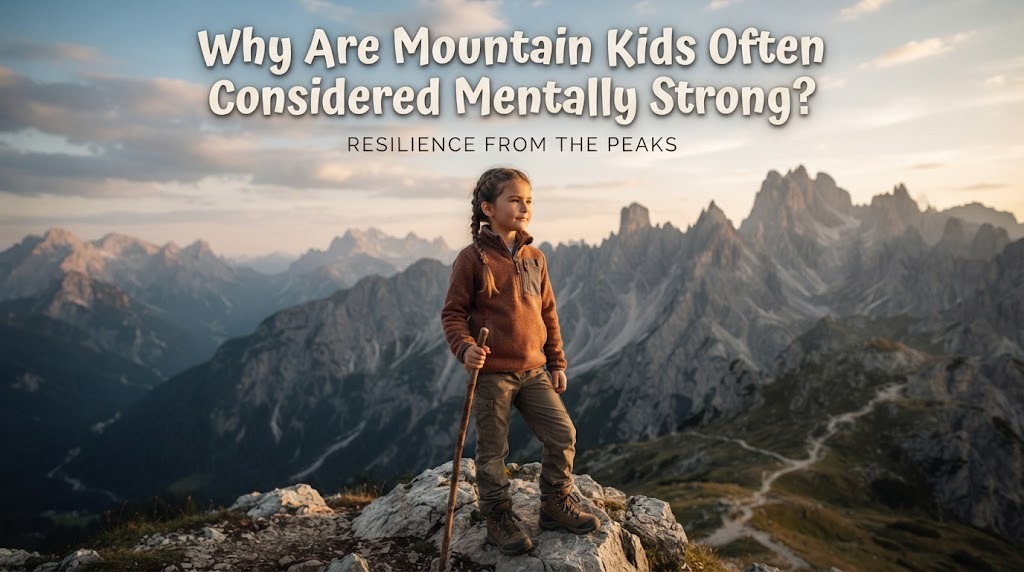
Mountain kids are an informal term for people who enjoy mountains, hiking, and outdoor activities. Spending time in the mountains can expose them to physical challenges, changing weather, long trails, and unexpected situations. These experiences may help some hikers develop habits such as patience, preparation, and careful decision-making. However, being a mountain kid does not automatically mean that someone has stronger mental abilities than other people. Mental strength develops through many different experiences, and every person responds to challenges differently.
THEY ARE USED TO FACING CHALLENGES
Hiking can present different challenges that require patience and persistence. Long distances, steep paths, and physical tiredness may make a journey difficult. Mountain kids can learn to divide the journey into smaller steps instead of focusing only on how far they still have to go. This approach can help them remain focused when a situation becomes uncomfortable. Over time, challenging experiences may teach them that difficult situations can be managed gradually.
THEY LEARN TO STAY CALM
Conditions in the mountains can change unexpectedly, including weather, visibility, and trail conditions. Hikers need to avoid panic and think carefully when something does not go according to plan. Mountain kids may develop the habit of staying calm and assessing the situation before making a decision. They can check their supplies, communicate with their group, and consider whether continuing is safe. This ability to respond thoughtfully can be useful beyond outdoor activities.
THEY LEARN TO BE PATIENT
Reaching a mountain destination can take hours and may require continuous effort. Mountain kids learn that progress does not always happen quickly. Taking breaks, managing energy, and continuing at a suitable pace can help them complete a journey safely. This experience can teach patience because rushing may increase tiredness and unnecessary risks. The lesson can also apply to education, work, and personal goals.
THEY LEARN TO ADAPT
Nature does not always follow the plans made by hikers. Rain, strong winds, fog, or changes in trail conditions may require a different approach. Mountain kids can learn that flexibility is important when circumstances change. They may need to slow down, change their route, wait for better conditions, or return to a safer location. Learning to adapt can help them understand that changing a plan is sometimes a responsible decision rather than a failure.
THEY UNDERSTAND THEIR LIMITS
Mental strength is not about forcing yourself to continue in every situation. Mountain kids can learn the importance of recognizing physical and mental limits during a hike. Severe exhaustion, dangerous weather, or unsafe trail conditions may be reasons to stop or turn back. Choosing safety requires self-awareness and responsible judgment. Understanding personal limits can help hikers make better decisions instead of taking unnecessary risks.
THEY LEARN FROM MISTAKES
Every hiking experience does not have to go perfectly. A mistake in preparation, equipment choice, route planning, or time management can become a valuable learning experience. Mountain kids can review what happened and use that information to prepare better for their next trip. This habit encourages improvement instead of simply blaming themselves for mistakes. Learning from experience can gradually build confidence and better decision-making skills.
THEY VALUE TEAMWORK
Hiking with others can teach mountain kids about cooperation and mutual support. Group members may have different physical abilities, so they need to communicate and respect each other's conditions. Helping a tired friend or adjusting the group's pace can be more important than reaching a destination quickly. These experiences can develop empathy and responsibility toward others. Teamwork also reminds hikers that challenges can sometimes be handled more effectively together.
CONCLUSION
Mountain kids are often considered mentally strong because hiking can expose them to challenges, patience, adaptation, self-awareness, and teamwork. These experiences may help some people develop useful habits for dealing with difficult situations. However, mental strength is not determined by whether someone enjoys hiking or mountains. It can be developed through many different activities and life experiences. What matters is learning to stay calm, understand personal limits, learn from mistakes, and make responsible decisions when facing challenges.
Tentang Penulis
Gusti Ayu Tita P
Penulis — Universitas STEKOM
Penulis aktif yang berfokus pada isu-isu akademik, teknologi pendidikan, dan pengembangan sumber daya manusia di lingkungan kampus.















