
Why Can LDKS Help Develop Students’ Leadership Skills?
Gusti Ayu Tita P
19 September 2026
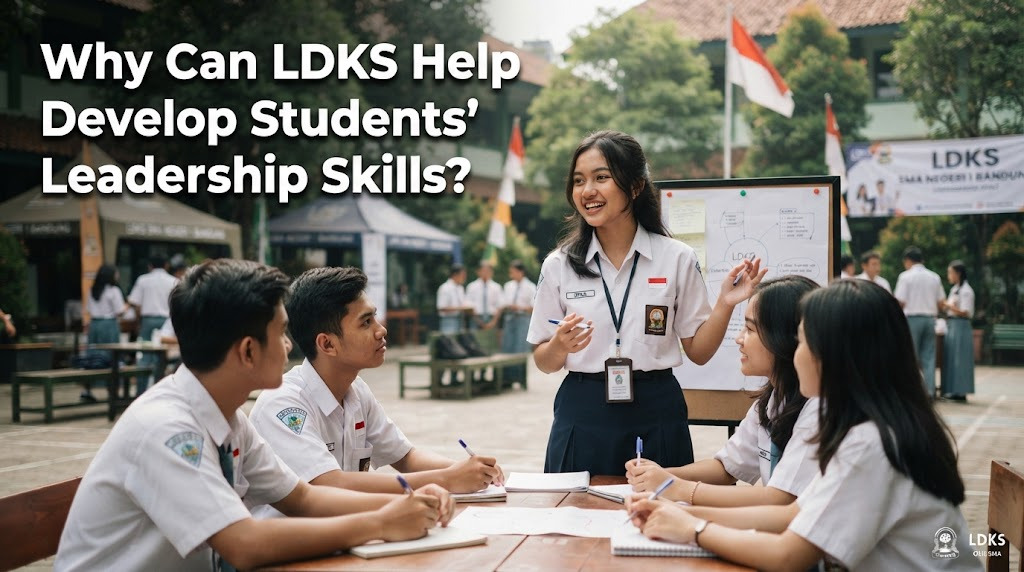
LDKS, or Latihan Dasar Kepemimpinan Siswa, is a student leadership training program commonly organized by schools to help students develop leadership and organizational abilities. The program gives students opportunities to learn through discussions, teamwork, simulations, and practical activities. Unlike ordinary classroom lessons, LDKS allows students to experience situations that require responsibility, communication, discipline, and decision-making. These experiences can help students understand how leadership works in real situations. The main purpose of LDKS is to prepare students to become more responsible and active members of their school community.
LDKS can be attended by students involved in student organizations, extracurricular activities, or other school programs. However, the skills gained from the training can benefit students in many different situations. Leadership skills are useful not only for students who become organizational leaders but also for those who need to work with others and manage responsibilities. Through LDKS, students can gradually recognize their strengths and improve areas that still need development.
HOW DOES LDKS TEACH STUDENTS TO TAKE RESPONSIBILITY?
One reason LDKS can develop leadership skills is that students are often given specific responsibilities during activities. They may need to organize a group, complete an assignment, manage a schedule, or help solve a problem. These tasks encourage students to understand that every action can affect other members of the team. Students also learn that completing responsibilities requires commitment and consistency. This experience can build a stronger sense of accountability.
During LDKS, students may also face situations where their decisions produce different results. They can discuss what went well and what needs to be improved. Learning from mistakes helps students understand that responsibility also involves evaluating their actions. Over time, this process can encourage students to become more careful and dependable when handling tasks.
HOW DOES LDKS IMPROVE COMMUNICATION SKILLS?
Effective communication is an important part of leadership, and LDKS provides many opportunities for students to practice it. Group discussions, presentations, and teamwork activities require students to express their ideas clearly. They also need to listen to other people's opinions before making decisions. These activities can help students become more comfortable when communicating with different people. Good communication can make teamwork more organized and reduce misunderstandings.
LDKS also teaches students that communication is not only about speaking. Active listening and respecting different opinions are equally important. Students may encounter teammates who have different ideas or approaches to a problem. By learning how to respond respectfully, students can improve their ability to communicate in challenging situations.
HOW CAN TEAMWORK ACTIVITIES BUILD LEADERSHIP SKILLS?
LDKS often uses teamwork activities to teach students how to cooperate and achieve a shared goal. Students may be divided into groups and given challenges that cannot be completed effectively by one person alone. They must communicate, divide tasks, support one another, and use each member's strengths. These experiences show students that effective leadership involves cooperation rather than simply giving orders. Students can also learn how to appreciate the contributions of other team members.
Teamwork can also teach students how to manage differences within a group. Different opinions are normal when several people work together. Students can learn to discuss disagreements and find solutions that support the group's objective. This ability is important because a good leader needs to build cooperation and maintain positive relationships with team members.
HOW DOES LDKS DEVELOP DECISION MAKING AND PROBLEM SOLVING?
Another important part of LDKS is helping students practice decision making and problem solving. Training activities may present students with situations that require them to identify problems, consider possible solutions, and choose an appropriate action. Students can learn that decisions should be based on information and the needs of the group. They may also discover that every decision can have advantages and disadvantages. This process encourages students to think more carefully before taking action.
Problem-solving activities can also improve students' ability to remain focused when facing challenges. Instead of immediately giving up, they are encouraged to discuss different approaches with their teammates. Critical thinking and cooperation can help students find practical solutions. These skills are valuable for school projects, organizational activities, higher education, and future workplaces.
HOW DOES LDKS BUILD STUDENT CONFIDENCE?
Student confidence can grow when students are given opportunities to participate actively. During LDKS, they may be asked to speak in front of a group, lead a discussion, present an idea, or coordinate an activity. At first, some students may feel nervous, but repeated practice can make these situations more familiar. Successfully completing small responsibilities can also give students a stronger belief in their own abilities.
LDKS can also teach students that leadership does not require someone to be perfect. Students can make mistakes, receive feedback, and try again. Constructive feedback can help them understand what they can improve without being afraid of making mistakes. As students become more willing to participate, their confidence and readiness to take initiative can develop.
CONCLUSION
LDKS can help develop students' leadership skills by combining knowledge with practical experience. Through responsibility, communication, teamwork, decision making, problem solving, and confidence-building activities, students can practice important leadership behaviors directly. The training can also teach them how to listen to others, manage differences, and learn from mistakes. These experiences can support students in school organizations and everyday situations. Ultimately, LDKS provides students with practical opportunities to develop leadership skills that can be useful for their education and future careers.
Tentang Penulis
Gusti Ayu Tita P
Penulis — Universitas STEKOM
Penulis aktif yang berfokus pada isu-isu akademik, teknologi pendidikan, dan pengembangan sumber daya manusia di lingkungan kampus.















