Why Does Google Ranking Change So Frequently?
Gusti Ayu Tita P
24 September 2026
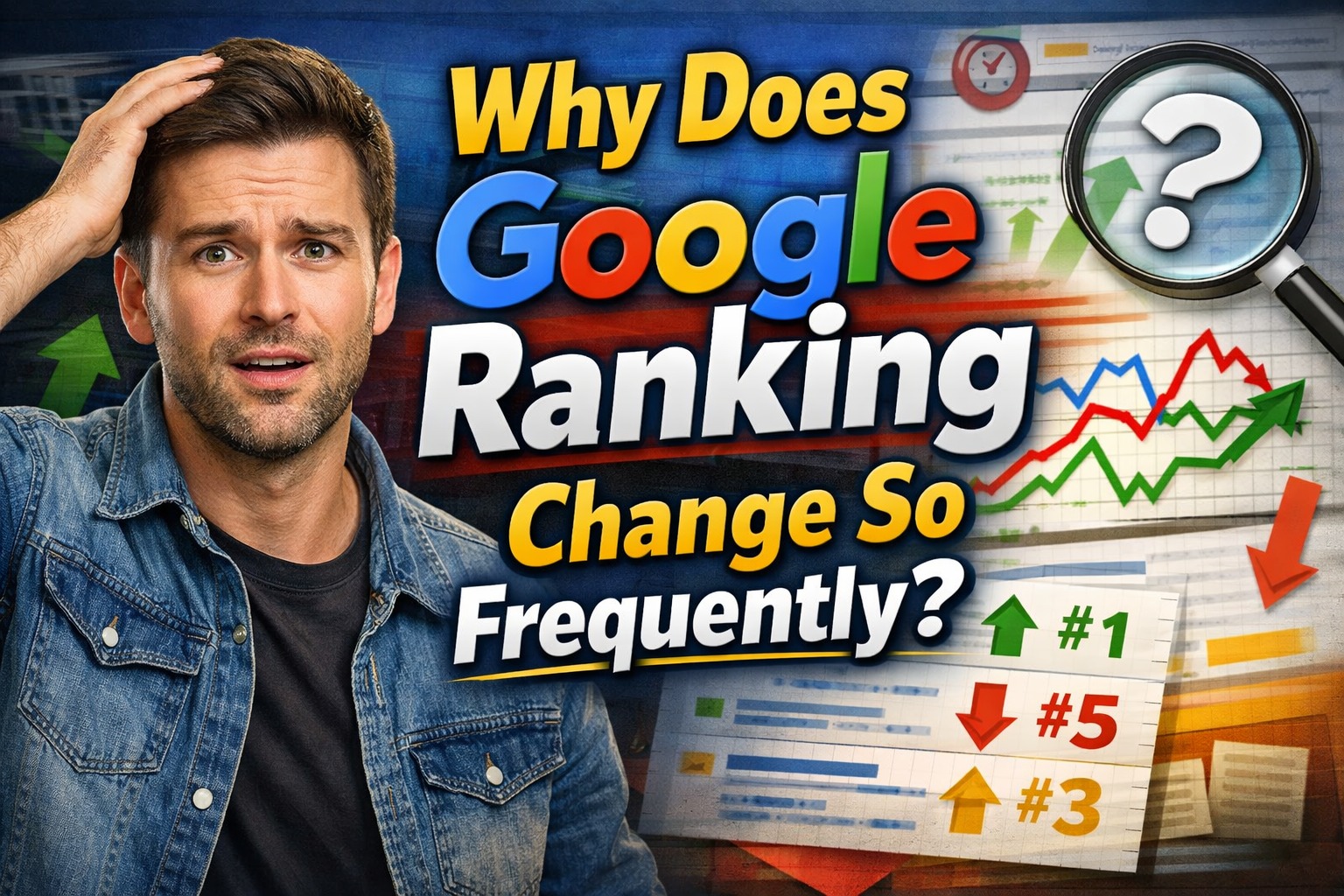
Google rankings are constantly changing, and many website owners wonder why their pages suddenly move up or down in search results. A website that ranks on the first page today may drop several positions tomorrow, while another site may experience significant growth. These fluctuations are a normal part of how Google's search engine works.
Understanding the reasons behind ranking changes is essential for anyone who wants to maintain strong online visibility. By learning what influences search rankings, businesses and content creators can improve their SEO strategies and achieve more stable long-term results.
GOOGLE REGULARLY UPDATES ITS SEARCH ALGORITHM
One of the biggest reasons why Google rankings change frequently is the release of algorithm updates. Google continuously improves its search system to provide users with the most relevant, accurate, and high-quality search results. Some updates are minor and happen almost daily, while others are major core updates that significantly affect millions of websites.
When an algorithm update occurs, Google may reassess how websites are ranked based on factors such as content quality, user experience, page authority, and search intent. Websites that follow SEO best practices often benefit from these updates, while sites with outdated or low-quality content may lose rankings.
COMPETITORS ARE CONSTANTLY IMPROVING THEIR WEBSITES
Search rankings are competitive because every website is trying to reach the top position. Your competitors may regularly publish fresh content, improve their technical SEO, build high-quality backlinks, or optimize their pages for better user engagement. As they improve, Google's ranking system may reward their efforts with higher positions.
Even if you make no changes to your website, competitors' improvements can still cause your rankings to decline. This is why continuous optimization is necessary. Monitoring competitor strategies and updating your own content helps maintain strong search performance over time.
CONTENT FRESHNESS PLAYS AN IMPORTANT ROLE
Google values fresh, updated, and relevant content, especially for topics that frequently change. If your content becomes outdated, Google may prioritize newer articles that provide more current information. Updating articles with recent statistics, improved explanations, and additional insights can help maintain rankings.
Regular content updates also signal that your website remains active and trustworthy. Revising old pages, fixing outdated information, and expanding valuable sections can improve user satisfaction while increasing your chances of maintaining higher rankings.
USER EXPERIENCE INFLUENCES SEARCH POSITIONS
Google increasingly focuses on user experience when determining search rankings. Factors such as page speed, mobile responsiveness, easy navigation, and secure browsing contribute to how users interact with a website. A poor browsing experience may cause visitors to leave quickly, reducing overall engagement.
Improving technical performance helps both users and search engines. Faster loading pages, clear website structure, readable content, and responsive design encourage visitors to stay longer, which may positively influence ranking performance over time.
BACKLINKS AND WEBSITE AUTHORITY CONTINUE TO CHANGE
Backlinks remain one of Google's important ranking signals. When authoritative websites link to your content, Google often considers your website more credible. However, backlink profiles are always changing because websites gain new links, lose existing ones, or receive links from different sources.
If competitors earn stronger backlinks while your backlink profile remains unchanged, your rankings may shift. Building natural backlinks through valuable content, industry partnerships, and informative resources helps strengthen your website's authority and long-term SEO performance.
SEARCH INTENT CAN CHANGE OVER TIME
Google continuously analyzes what users expect when they search for specific keywords. As search behavior evolves, Google may adjust rankings to better match current search intent. For example, users searching for a keyword may begin preferring detailed guides instead of short articles or videos instead of written content.
Creating content that satisfies user intent is essential for maintaining rankings. Understanding what users truly want and updating your content accordingly increases its relevance and improves the likelihood of remaining competitive in search results.
HOW TO MAINTAIN STABLE GOOGLE RANKINGS?
Although ranking fluctuations are normal, websites can reduce major declines by following consistent SEO practices. Publishing high-quality content, improving website performance, earning trustworthy backlinks, and regularly updating older pages all contribute to stronger long-term visibility.
SEO should be viewed as an ongoing process rather than a one-time project. By focusing on user satisfaction, content relevance, and technical optimization, website owners can better adapt to Google's changes and achieve more sustainable ranking improvements.
CONCLUSION
Google rankings change frequently because the search engine constantly updates its algorithms, competitors improve their websites, user behavior evolves, and content quality standards continue to rise. These fluctuations are a natural part of maintaining relevant and useful search results.
Rather than worrying about temporary ranking changes, website owners should focus on creating valuable content, delivering an excellent user experience, and following ethical SEO practices. Consistent optimization is the best strategy for achieving stable growth and long-term success in Google Search.
Tentang Penulis
Gusti Ayu Tita P
Penulis — Universitas STEKOM
Penulis aktif yang berfokus pada isu-isu akademik, teknologi pendidikan, dan pengembangan sumber daya manusia di lingkungan kampus.