
Why Does LDKS Play a Role in Developing Future Young Leaders?
Gusti Ayu Tita P
19 September 2026
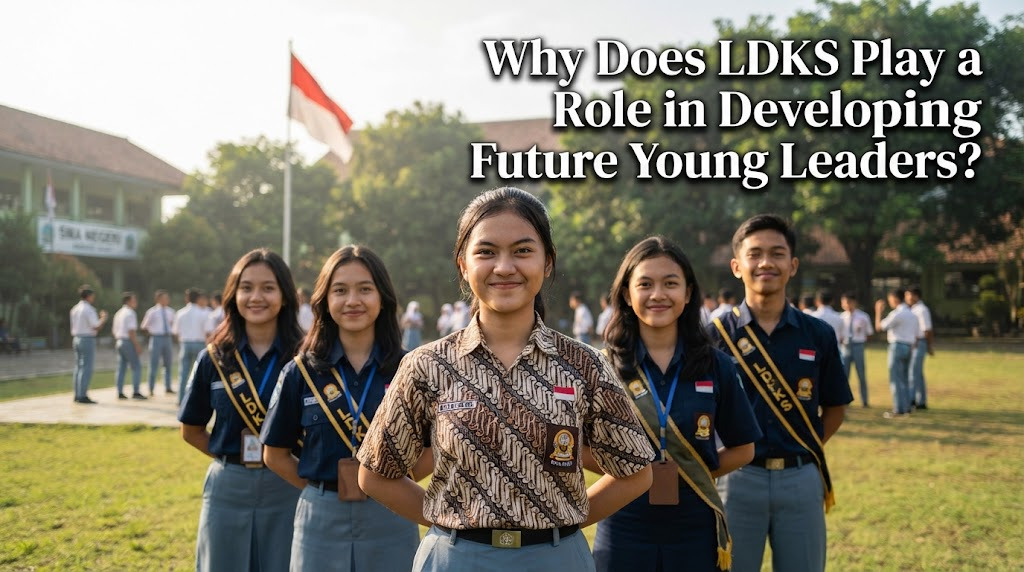
LDKS, or Student Leadership Training, is a school activity that introduces students to important leadership values and practical skills. Through various activities, students can learn about responsibility, teamwork, communication, discipline, and decision-making. These skills are useful because young people may have different responsibilities in their school, community, and future professional lives. LDKS can provide an early opportunity for students to practice leadership in a structured environment. For this reason, LDKS can play a role in preparing future young leaders.
WHY IS LDKS IMPORTANT FOR DEVELOPING YOUNG LEADERS?
Young leaders need more than the ability to give instructions to other people. They also need to understand responsibility, cooperation, communication, and the importance of making thoughtful decisions. LDKS can introduce these values through activities that require students to work together and complete specific tasks. Students can learn that leadership involves serving, supporting, and motivating others rather than simply having authority. These experiences can give students a basic understanding of what responsible leadership means.
Leadership development is also a gradual process that requires practice. Students may not immediately become effective leaders after participating in one training program. However, LDKS can provide useful experiences that become a foundation for continued learning. Students can apply these lessons in classroom projects, student organizations, school events, and other activities. In this way, leadership development can continue beyond the LDKS program.
HOW DOES LDKS BUILD STUDENTS’ LEADERSHIP SKILLS?
LDKS can develop leadership skills by giving students opportunities to take different roles during activities. Some students may become group coordinators, while others may be responsible for communication, planning, documentation, or completing specific tasks. These roles allow students to understand how individual responsibilities contribute to a common goal. They can also practice organizing activities and coordinating with other members. Through this process, students can develop practical leadership skills.
Students can also learn that leadership requires flexibility. A leader may need to listen to suggestions, respond to problems, and adjust plans when circumstances change. LDKS activities can provide situations where students need to think and act according to the conditions they face. They can learn to balance their own ideas with the needs of their team. These experiences can support the development of effective student leadership.
HOW DOES LDKS TEACH RESPONSIBILITY TO FUTURE LEADERS?
Responsibility is one of the important qualities that young leaders need to develop. During LDKS, students may receive tasks that must be completed within a certain time or according to specific instructions. These experiences can teach students to take ownership of their responsibilities instead of relying completely on other people. They can also understand that their actions may affect the success of their entire group. This can strengthen their understanding of leadership responsibility.
Responsible leadership also means being willing to evaluate mistakes and improve future actions. Students may experience situations where a plan does not work as expected during an activity. Through reflection and feedback, they can identify what went wrong and think about possible improvements. This can help them understand that leadership is not about being perfect but about learning from experience. Such lessons can support the development of responsible young leaders.
HOW DOES LDKS DEVELOP COMMUNICATION AND TEAMWORK?
Communication and teamwork are essential parts of effective leadership. LDKS activities often require students to discuss ideas, divide responsibilities, listen to teammates, and work toward a shared objective. These activities give students opportunities to practice expressing their opinions while respecting different perspectives. They can also learn how to communicate instructions clearly and avoid unnecessary misunderstandings. These experiences can strengthen communication skills that are useful for future leadership roles.
Teamwork teaches students that a leader does not work alone. A good team requires cooperation between members with different abilities, ideas, and responsibilities. Through group activities, students can learn to appreciate the contributions of others and provide support when teammates face difficulties. They can also practice resolving disagreements through discussion rather than conflict. Teamwork skills can therefore become an important foundation for future leadership.
HOW DOES LDKS IMPROVE DECISION-MAKING AND PROBLEM-SOLVING?
Future leaders are often expected to make decisions when facing challenges. LDKS can give students opportunities to practice this ability through simulations, group challenges, discussions, and practical activities. Students may need to identify a problem, consider several options, and choose an appropriate solution. These experiences can help them understand that decision-making requires careful consideration rather than simply acting quickly.
Problem-solving activities can also teach students how to respond when their original plans do not work. Instead of giving up, they can discuss alternative approaches with their team and determine what action should be taken next. This can encourage students to become more flexible when facing unexpected situations. They can also learn that different problems may require different solutions. Developing problem-solving skills can help students become more prepared for future responsibilities.
HOW CAN LDKS ENCOURAGE STUDENTS TO BECOME ACTIVE YOUNG LEADERS?
LDKS can encourage students to become more active by showing them that leadership can begin with simple actions. Students can take initiative by helping classmates, participating in school organizations, contributing ideas, or volunteering for school activities. These experiences allow them to practice leadership in real situations rather than only during formal training. Students can gradually discover their strengths and identify areas that they still need to improve. This can support the development of young leadership from an early stage.
Being an active young leader also requires consistency after the training ends. Students can continue practicing responsibility, communication, teamwork, and decision-making in their everyday school activities. They can use feedback from teachers and classmates to improve their approach to leadership. Over time, these repeated experiences can help students become more prepared to accept greater responsibilities. LDKS can therefore serve as an early foundation for future leadership development.
CONCLUSION
LDKS can play a role in developing future young leaders by giving students practical opportunities to learn responsibility, communication, teamwork, decision-making, problem-solving, and initiative. The activities allow students to experience leadership situations instead of only learning leadership concepts from theory. Students can also learn that effective leadership involves cooperation, respect, responsibility, and a willingness to learn from mistakes.
The leadership skills developed through LDKS can be applied to school organizations, classroom activities, group projects, and community activities. Although one training program cannot determine a student's future leadership ability, it can provide valuable experiences that support continued development. With consistent practice and guidance, students can gradually strengthen their abilities and become more prepared to take on future responsibilities. LDKS can therefore be one useful step in the process of developing responsible and capable young leaders.
Tentang Penulis
Gusti Ayu Tita P
Penulis — Universitas STEKOM
Penulis aktif yang berfokus pada isu-isu akademik, teknologi pendidikan, dan pengembangan sumber daya manusia di lingkungan kampus.















