
Why Is Inner Connection Related to Better Listening Skills?
Gusti Ayu Tita P
21 September 2026
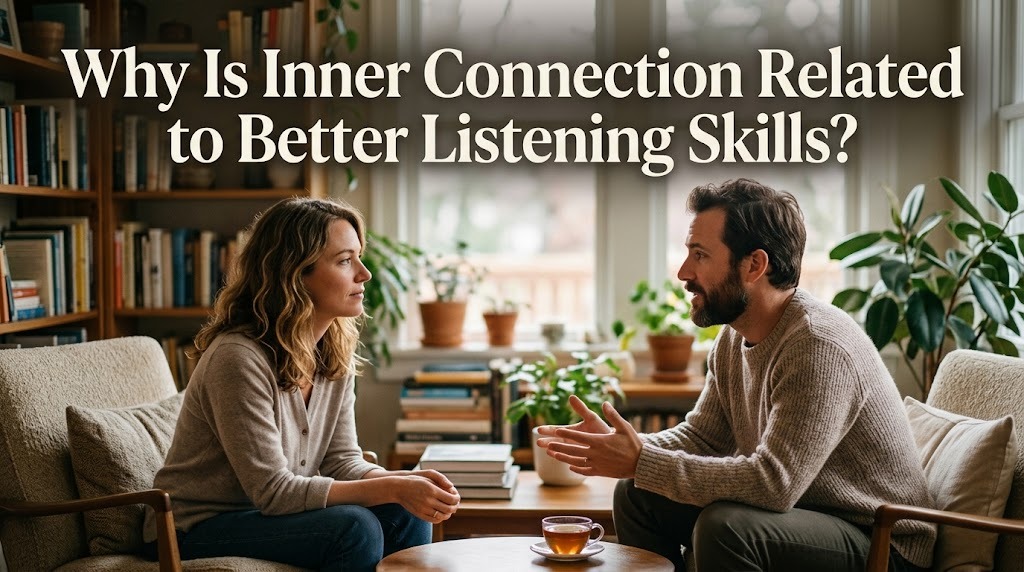
Inner connection is closely related to listening skills because understanding yourself can help you become more present when communicating with others. When you are aware of your thoughts and emotions, you can recognize distractions or emotional reactions that may affect your ability to listen. This awareness allows you to focus more carefully on what another person is saying. As a result, inner connection can support clearer and more meaningful communication.
WHAT IS INNER CONNECTION?
Inner connection is the ability to recognize and understand your own thoughts, emotions, needs, values, and reactions. It encourages you to pay attention to your internal experiences instead of automatically reacting to everything around you. This awareness can help you understand why you respond in certain ways during conversations.
For example, you may notice that you become impatient when you are tired or distracted when you are worried about something. Recognizing these conditions can help you adjust your behavior before they interfere with communication. This makes it easier to stay focused when another person is speaking.
WHAT ARE LISTENING SKILLS?
Listening skills involve paying attention to another person, understanding their message, and responding appropriately. Good listening is more than simply hearing words because it also requires attention to meaning, emotions, and context. A good listener gives the speaker enough space to express their thoughts.
Effective listening can include maintaining attention, avoiding unnecessary interruptions, asking relevant questions, and confirming your understanding. These habits can make another person feel heard and respected. They can also reduce misunderstandings during everyday conversations.
HOW DOES INNER CONNECTION IMPROVE FOCUS?
Inner connection can help you identify internal distractions that make listening difficult. You may realize that you are thinking about another problem, feeling nervous, or preparing your response before the other person has finished speaking. Recognizing these distractions is the first step toward bringing your attention back to the conversation.
Being aware of your internal state can therefore improve present moment awareness. Instead of focusing entirely on your own thoughts, you can consciously return your attention to the speaker. This can make conversations more focused and meaningful.
HOW DOES IT REDUCE QUICK REACTIONS?
People sometimes react quickly when they hear something they disagree with or find uncomfortable. Strong emotions can make it difficult to listen objectively because your attention may shift toward defending your own position. Inner connection helps you notice these emotional reactions before they control your response.
For example, if you feel offended by a comment, you can recognize the feeling and take a moment before responding. This allows you to understand what the person actually meant instead of immediately assuming their intention. Such awareness can support calm and thoughtful communication.
HOW DOES INNER CONNECTION SUPPORT EMPATHIC LISTENING?
Inner connection can support empathic listening by helping you recognize your own emotions while remaining open to another person's experience. When you understand your own feelings, you may become more comfortable listening to someone whose emotions are different from yours.
Empathic listening does not require you to agree with everything another person says. Instead, it means making a genuine effort to understand their perspective. Asking questions, paying attention, and avoiding immediate judgment can help create a more supportive conversation.
HOW CAN YOU PRACTICE BETTER LISTENING?
You can improve listening skills by practicing simple habits during everyday conversations. Put unnecessary distractions aside, allow the other person to finish speaking, and focus on understanding their main point. You can also ask questions when something is unclear rather than making assumptions.
It is also useful to check your own emotional state before and during conversations. Ask yourself whether you are distracted, tired, worried, or upset. Developing this self awareness can help you return your attention to the conversation and respond more appropriately.
CONCLUSION
Inner connection is related to better listening skills because self awareness helps you recognize distractions, emotions, and reactions that can interfere with communication. When you understand your own internal state, you can become more present and attentive while another person is speaking. This can support empathy, reduce misunderstandings, and encourage more thoughtful responses. Simple habits such as pausing before reacting, asking questions, and focusing on the speaker can strengthen both inner connection and listening ability. Ultimately, understanding yourself can help you become a more attentive and respectful listener.
Tentang Penulis
Gusti Ayu Tita P
Penulis — Universitas STEKOM
Penulis aktif yang berfokus pada isu-isu akademik, teknologi pendidikan, dan pengembangan sumber daya manusia di lingkungan kampus.















