
Why Should Beach Lovers Understand the Importance of Sun Protection?
Gusti Ayu Tita P
22 September 2026
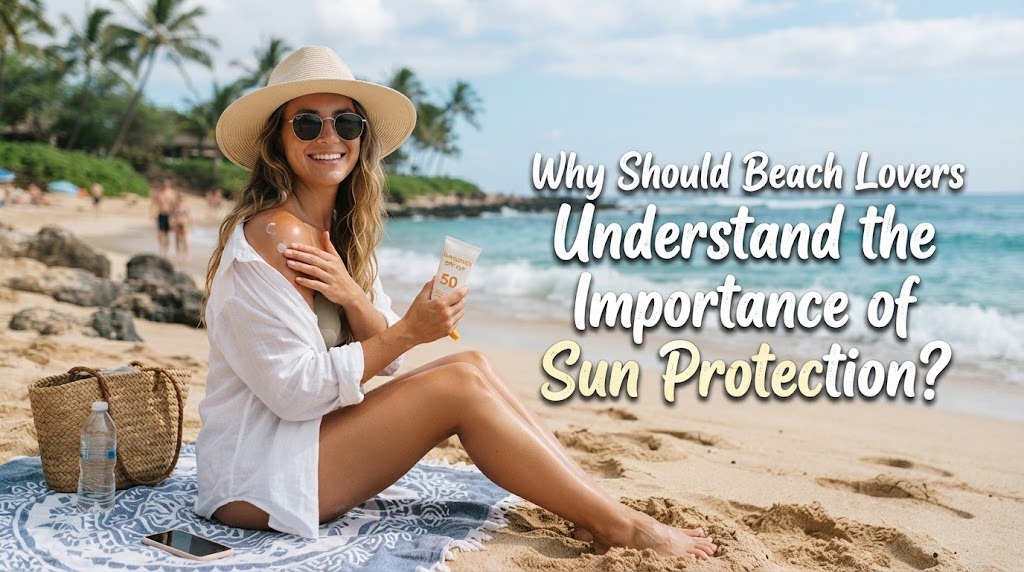
Spending time at the beach can be a relaxing and enjoyable experience, but it also means spending more time outdoors under sunlight. Beach lovers may be exposed to ultraviolet radiation while swimming, walking, playing sports, or relaxing near the shore. Without suitable protection, repeated exposure can affect the skin and eyes. Understanding sun protection is therefore an important part of enjoying the beach safely.
Sun protection is not only necessary on extremely hot or sunny days. Ultraviolet radiation can still reach the skin when clouds are present, and surfaces such as water and sand can reflect sunlight. Developing simple protective habits can reduce unnecessary exposure while allowing people to continue enjoying outdoor activities. Good protection should become a regular part of a responsible beach lifestyle.
UNDERSTANDING ULTRAVIOLET RADIATION
Ultraviolet radiation is a type of energy from the sun that can affect the human body. The two types most relevant to everyday sun exposure are UVA and UVB. UVA can contribute to premature skin aging, while UVB is a major cause of sunburn. Both types can contribute to long-term skin damage.
Beach environments can increase exposure because sunlight can reflect from water and sand. This means that people may receive UV exposure from more than direct sunlight alone. The amount of UV radiation also changes depending on factors such as time of day, location, season, and weather conditions. Understanding these factors helps beach lovers make better sun safety decisions.
PREVENTING SUNBURN AND SKIN DAMAGE
One of the most noticeable effects of excessive sun exposure is sunburn. It can cause redness, warmth, pain, and skin irritation. Repeated intense sun exposure can also contribute to long-term skin damage. Taking preventive measures is therefore more effective than waiting until the skin becomes uncomfortable.
Beach lovers can reduce exposure by using sunscreen, wearing protective clothing, and spending time in shaded areas. Sunscreen should be applied to exposed skin according to the product instructions and reapplied when necessary, especially after swimming or sweating. A broad-spectrum product can help protect against both UVA and UVB radiation. Combining several methods creates more consistent skin protection.
PROTECTING THE EYES
Sun protection should not focus only on the skin. The eyes can also be exposed to ultraviolet radiation during outdoor activities. Bright sunlight and reflections from water or sand can make the environment uncomfortable for the eyes. Appropriate UV-protective sunglasses can help reduce direct exposure.
A suitable pair of sunglasses should provide UV protection and fit comfortably. A hat with a wide brim can also provide additional shade around the face and eyes. These simple measures are especially useful when spending extended periods outdoors. Taking care of the eyes is an important part of overall outdoor safety.
USING SUNSCREEN PROPERLY
Sunscreen is a common tool for reducing UV exposure, but it needs to be used correctly. Beach lovers should generally choose a broad-spectrum sunscreen with an appropriate SPF for their outdoor activities. It should be applied to exposed areas before going outdoors and reapplied according to the product directions. Areas such as the ears, neck, hands, and feet can easily be overlooked.
Sunscreen should not be treated as a reason to stay in direct sunlight for unlimited periods. It works best as one part of a broader protection strategy. Wearing suitable clothing and taking breaks in shaded areas can provide additional protection. This combined approach supports better sun protection habits.
CHOOSING THE RIGHT TIME AND PLACE
The intensity of ultraviolet radiation varies during the day. UV levels are often higher around the middle of the day, although the exact pattern depends on location and conditions. Checking the UV Index can help beach lovers understand when additional protection is needed. Planning outdoor activities around lower UV levels can reduce unnecessary exposure.
Shade can also provide a useful break from direct sunlight. Beach umbrellas, covered areas, trees, and nearby indoor spaces can reduce direct exposure, although they do not completely eliminate UV radiation. People should continue using other protective measures even when staying in the shade. Smart planning can make beach activities more comfortable and safer.
BUILDING LONG TERM SUN SAFETY HABITS
Sun protection is most effective when it becomes part of a regular routine. Beach lovers should develop habits such as applying sunscreen, wearing sunglasses, using protective clothing, and taking breaks from direct sunlight. These practices are useful not only at the beach but also during other outdoor activities. Consistency is more important than using protection only occasionally.
People should also pay attention to unusual or persistent changes in their skin and seek advice from a qualified healthcare professional when appropriate. Early attention to concerning changes can support better health awareness. By making sun protection a normal part of their lifestyle, beach lovers can continue enjoying outdoor environments responsibly. Good habits can support long-term skin health.
CONCLUSION
Understanding the importance of sun protection helps beach lovers enjoy outdoor activities while reducing unnecessary exposure to ultraviolet radiation. Using sunscreen, protective clothing, sunglasses, shade, and UV awareness can provide multiple layers of protection. Beach visitors should also remember that no single method completely eliminates UV exposure. By developing consistent sun safety habits, people can enjoy the beach more responsibly while taking care of their skin and eyes.
Tentang Penulis
Gusti Ayu Tita P
Penulis — Universitas STEKOM
Penulis aktif yang berfokus pada isu-isu akademik, teknologi pendidikan, dan pengembangan sumber daya manusia di lingkungan kampus.















