
Why Transparency Matters in Political Campaigns?
Gusti Ayu Tita P
22 September 2026
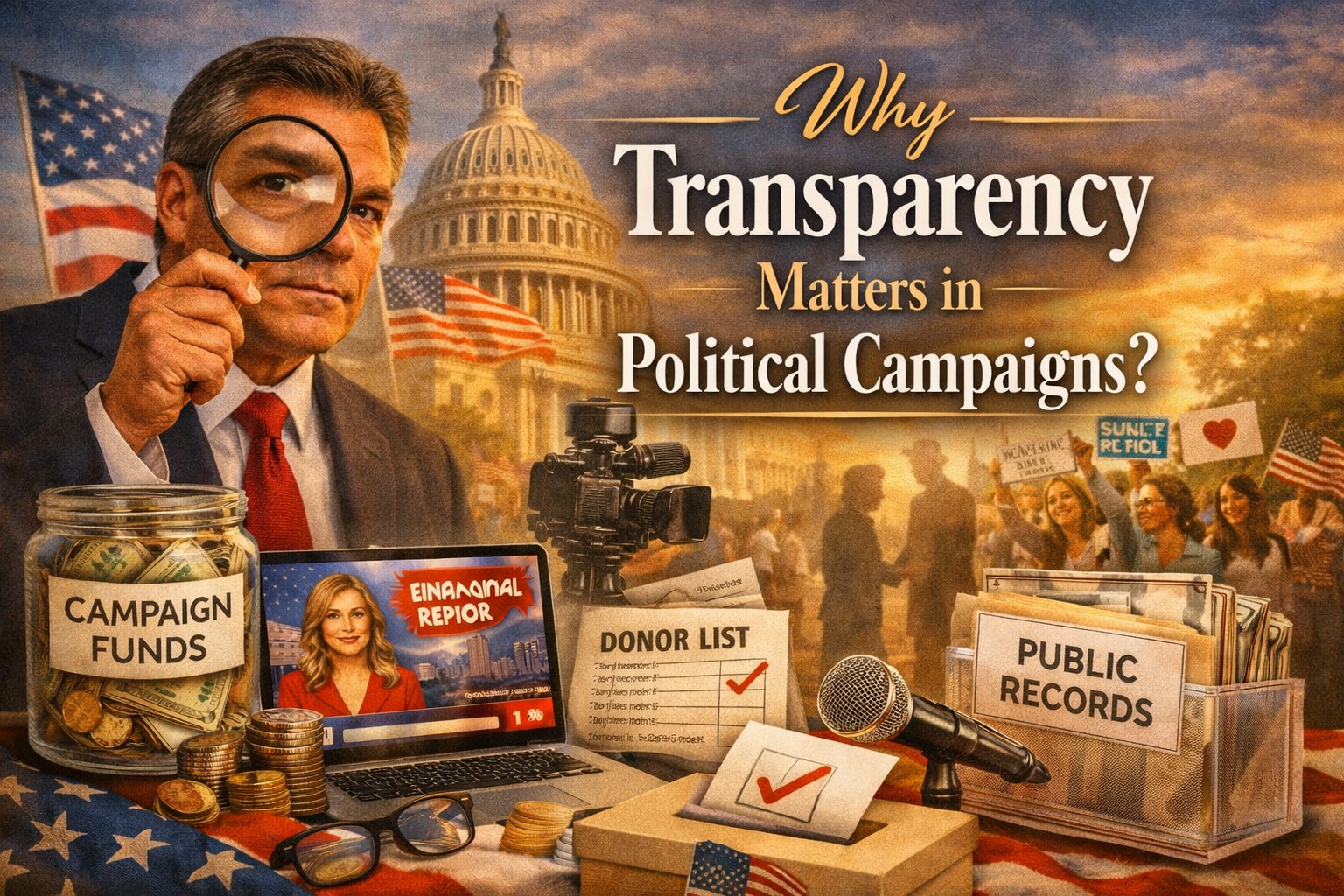
In every democratic society, political transparency plays a crucial role in building public trust, ensuring fair elections, and encouraging responsible leadership. Political campaigns are not only about promoting candidates but also about providing voters with accurate information to make informed decisions. When campaigns are transparent, citizens can better understand candidates' policies, funding sources, and long-term goals. This openness strengthens democracy by reducing misinformation and increasing accountability. As a result, transparency has become one of the most essential elements of modern political campaigns.
WHAT IS TRANSPARENCY IN POLITICAL CAMPAIGNS?
Transparency in political campaigns refers to the practice of openly sharing information about campaign activities, funding, policies, and decision-making processes. It allows voters to evaluate candidates based on facts rather than rumors or misleading claims. Transparent campaigns also encourage ethical behavior among political parties and campaign teams. By making important information accessible, candidates demonstrate respect for the democratic process. This approach helps voters develop greater confidence in election outcomes.
In addition, transparency includes disclosing campaign financing, sponsorships, and political advertisements. Citizens have the right to know who supports a candidate financially and whether those contributions could influence future decisions. Open communication also reduces suspicion and promotes fairness throughout the election period. Governments and election authorities often establish regulations that require financial reporting and public disclosure. These measures help maintain integrity within the political system.
HOW TRANSPARENCY BUILDS PUBLIC TRUST
Public trust is one of the strongest foundations of a successful democracy. When candidates communicate honestly and consistently, voters are more likely to believe their promises and leadership abilities. Transparent campaigns reduce uncertainty because citizens can verify information from reliable sources. This creates stronger relationships between political leaders and the communities they serve. Trust encourages greater participation in elections and civic activities.
Moreover, transparency helps leaders maintain credibility even when facing criticism. Candidates who openly acknowledge challenges and explain their policies demonstrate accountability and maturity. Honest communication reduces the spread of false information and political manipulation. Over time, transparent leadership strengthens confidence in democratic institutions. Citizens are more willing to support leaders who prioritize openness and integrity.
THE ROLE OF TRANSPARENCY IN PREVENTING CORRUPTION
One of the greatest benefits of political transparency is its ability to reduce opportunities for corruption prevention. When campaign donations and expenditures are publicly available, it becomes more difficult to hide illegal financial activities. Independent organizations, journalists, and citizens can monitor campaign finances more effectively. This oversight discourages unethical behavior and encourages compliance with election laws. Greater transparency creates a healthier political environment.
Furthermore, transparent reporting helps identify potential conflicts of interest before they become major issues. Candidates who disclose financial relationships demonstrate their commitment to ethical governance. Public access to campaign information also empowers watchdog organizations to investigate suspicious activities. These efforts contribute to cleaner elections and stronger democratic institutions. Ultimately, transparency protects both voters and honest political candidates.
THE IMPACT OF DIGITAL TECHNOLOGY ON CAMPAIGN TRANSPARENCY
Modern digital technology has transformed the way political campaigns communicate with the public. Official websites, social media platforms, and online reporting systems allow candidates to share information quickly and efficiently. Voters can easily access campaign programs, financial reports, and public statements from multiple digital channels. This improves accessibility and promotes informed decision-making. Technology has made transparency more achievable than ever before.
However, digital communication also creates challenges, including the spread of misinformation and manipulated content. Political campaigns must therefore verify information before publishing it and respond quickly to false claims. Responsible use of digital platforms strengthens public confidence and supports democratic values. Election authorities can also use technology to monitor campaign activities more effectively. Combining innovation with ethical practices creates a more transparent political environment.
HOW VOTERS CAN SUPPORT TRANSPARENT POLITICAL CAMPAIGNS
Citizens have an important role in encouraging transparent elections by actively seeking reliable information before voting. Reading official campaign materials, attending public discussions, and comparing policy proposals help voters make informed decisions. People should also verify political information through trusted news organizations and election authorities. Critical thinking is essential for identifying misleading claims or misinformation. Well-informed voters contribute to stronger democratic participation.
Additionally, voters should support candidates who demonstrate honesty, accountability, and openness throughout the campaign process. Asking questions during public debates and expecting clear answers encourages higher standards of political communication. Communities can also participate in election monitoring and civic education programs. Collective public involvement strengthens transparency and protects democratic values. Every responsible voter helps create a fairer and more trustworthy election process.
CONCLUSION
Transparency in political campaigns is essential for promoting public trust, preventing corruption, and strengthening democracy. Open communication allows citizens to evaluate candidates based on facts instead of speculation or misinformation. By encouraging accountability, ethical leadership, and honest reporting, transparent campaigns improve the overall quality of elections. Digital technology has expanded opportunities for openness while also requiring responsible information management. Ultimately, transparency benefits candidates, voters, and democratic institutions by creating elections that are fair, credible, and focused on the public interest.
Tentang Penulis
Gusti Ayu Tita P
Penulis — Universitas STEKOM
Penulis aktif yang berfokus pada isu-isu akademik, teknologi pendidikan, dan pengembangan sumber daya manusia di lingkungan kampus.















