Why Workaholism Can Reduce a Person’s Quality of Life?
Gusti Ayu Tita P
14 Oktober 2026
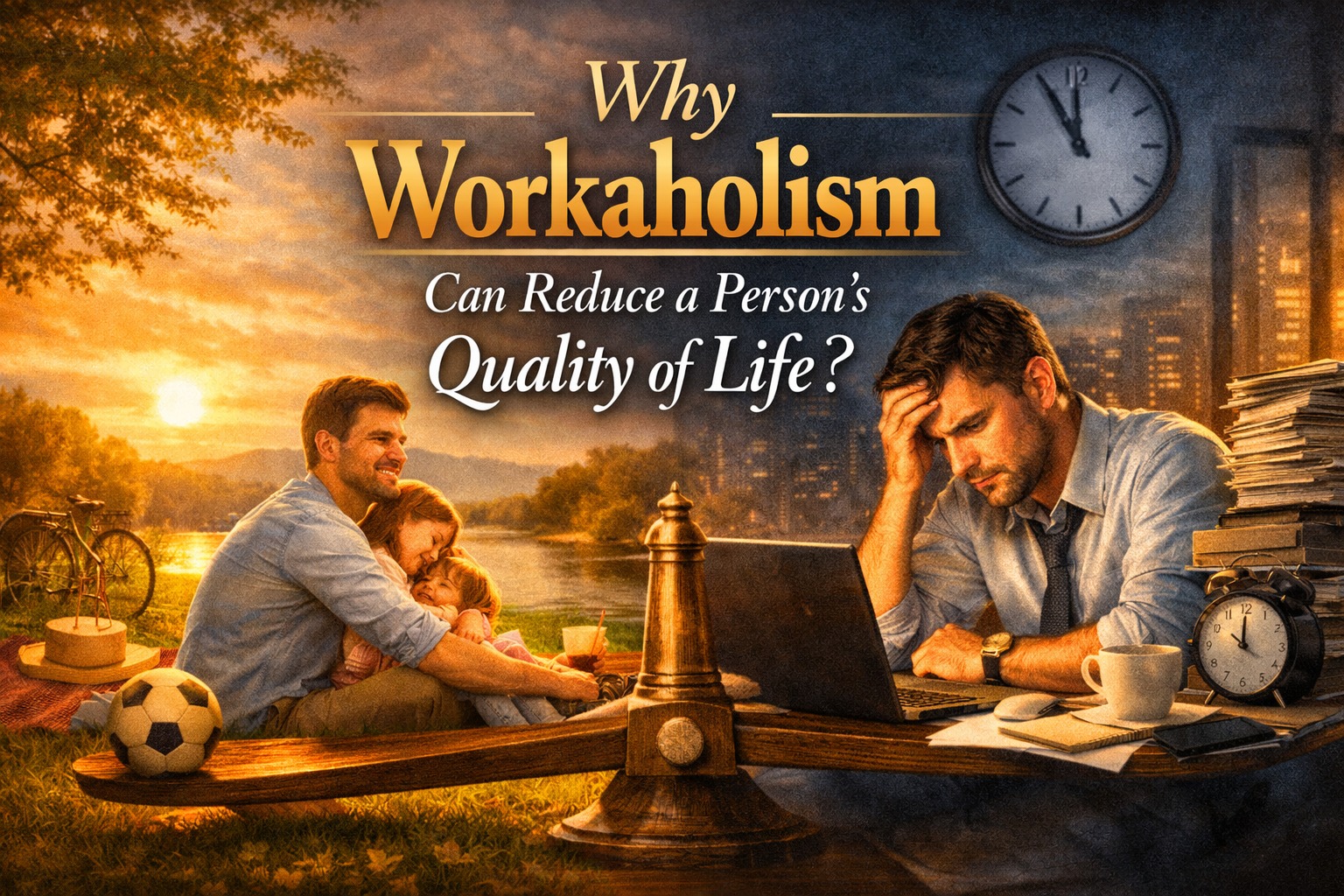
In today's highly competitive world, many people believe that working longer hours is the key to success. While dedication and ambition are important, excessive work can lead to workaholism, a condition in which a person becomes overly dependent on work and struggles to maintain a healthy balance in life. What may initially seem like commitment can eventually create serious problems for physical health, mental well-being, and personal relationships.
Understanding the negative effects of workaholism is essential for maintaining a better quality of life. By recognizing its impact, individuals can take steps to achieve a healthier and more sustainable balance between professional and personal responsibilities.
UNDERSTANDING WORKAHOLISM AND ITS EFFECTS
Workaholism is more than simply working hard. It refers to an uncontrollable urge to work continuously, often at the expense of rest, family time, and personal interests. People who experience workaholism may feel guilty when they are not working and constantly think about their job even during leisure time.
Over time, this behavior can create significant stress and emotional exhaustion. Instead of improving productivity, excessive work often reduces efficiency and satisfaction. As a result, individuals may find themselves trapped in a cycle of stress, fatigue, and declining overall well-being.
NEGATIVE IMPACT ON PHYSICAL HEALTH
One of the most serious consequences of workaholism is its effect on physical health. Long working hours often reduce the amount of sleep a person gets, leading to chronic fatigue and weakened immune function. Lack of proper rest can also increase the risk of headaches, high blood pressure, and cardiovascular problems.
In addition, many workaholics neglect regular exercise and healthy eating habits. Spending excessive time at a desk can contribute to weight gain, muscle tension, and poor posture. These health issues can significantly reduce a person's quality of life and make daily activities more difficult.
HOW WORKAHOLISM AFFECTS MENTAL WELL-BEING
Mental health is another area that suffers from excessive work habits. Constant pressure to meet deadlines and achieve goals can increase levels of stress management challenges and emotional strain. Many workaholics experience anxiety, irritability, and difficulty relaxing even when they have free time.
If left unmanaged, chronic stress may lead to burnout, depression, and reduced motivation. Instead of feeling fulfilled by their accomplishments, individuals often feel emotionally drained. This condition can make it difficult to enjoy life and maintain a positive outlook on the future.
DAMAGE TO PERSONAL RELATIONSHIPS
A healthy work life balance allows individuals to spend meaningful time with family and friends. However, workaholism often causes people to prioritize work over personal relationships. Missing family events, neglecting social interactions, and constantly checking work messages can create emotional distance from loved ones.
As relationships become strained, feelings of loneliness and isolation may increase. Strong social connections play an important role in emotional well-being, and losing these connections can negatively affect overall happiness. Maintaining relationships is therefore essential for a fulfilling life.
REDUCED PRODUCTIVITY AND LIFE SATISFACTION
Many people assume that working more hours automatically leads to greater success. In reality, excessive work often reduces concentration, creativity, and decision-making abilities. Mental and physical exhaustion can cause mistakes and lower overall performance.
Furthermore, individuals who focus exclusively on work may miss opportunities to enjoy hobbies, travel, learning experiences, and personal growth. A lack of balance can reduce life satisfaction, making achievements feel less rewarding despite professional success.
STRATEGIES TO PREVENT WORKAHOLISM
Preventing workaholism begins with establishing clear boundaries between work and personal life. Setting reasonable working hours and taking regular breaks can help maintain energy and focus. Prioritizing rest is not a sign of weakness but a necessary part of long-term success.
Developing healthy habits such as exercise, proper sleep, and spending time with loved ones can also improve overall well-being. Practicing effective stress management techniques and learning to disconnect from work during personal time are important steps toward achieving a healthier lifestyle and better work life balance.
CONCLUSION
Workaholism may appear beneficial in the short term, but its long-term effects can significantly reduce a person's quality of life. Physical health problems, mental exhaustion, damaged relationships, and decreased life satisfaction are some of the major consequences associated with excessive work habits. Achieving a healthy work life balance is essential for maintaining both professional success and personal happiness. By setting boundaries, prioritizing well-being, and practicing effective stress management, individuals can enjoy a more balanced, productive, and fulfilling life.
Tentang Penulis
Gusti Ayu Tita P
Penulis — Universitas STEKOM
Penulis aktif yang berfokus pada isu-isu akademik, teknologi pendidikan, dan pengembangan sumber daya manusia di lingkungan kampus.