
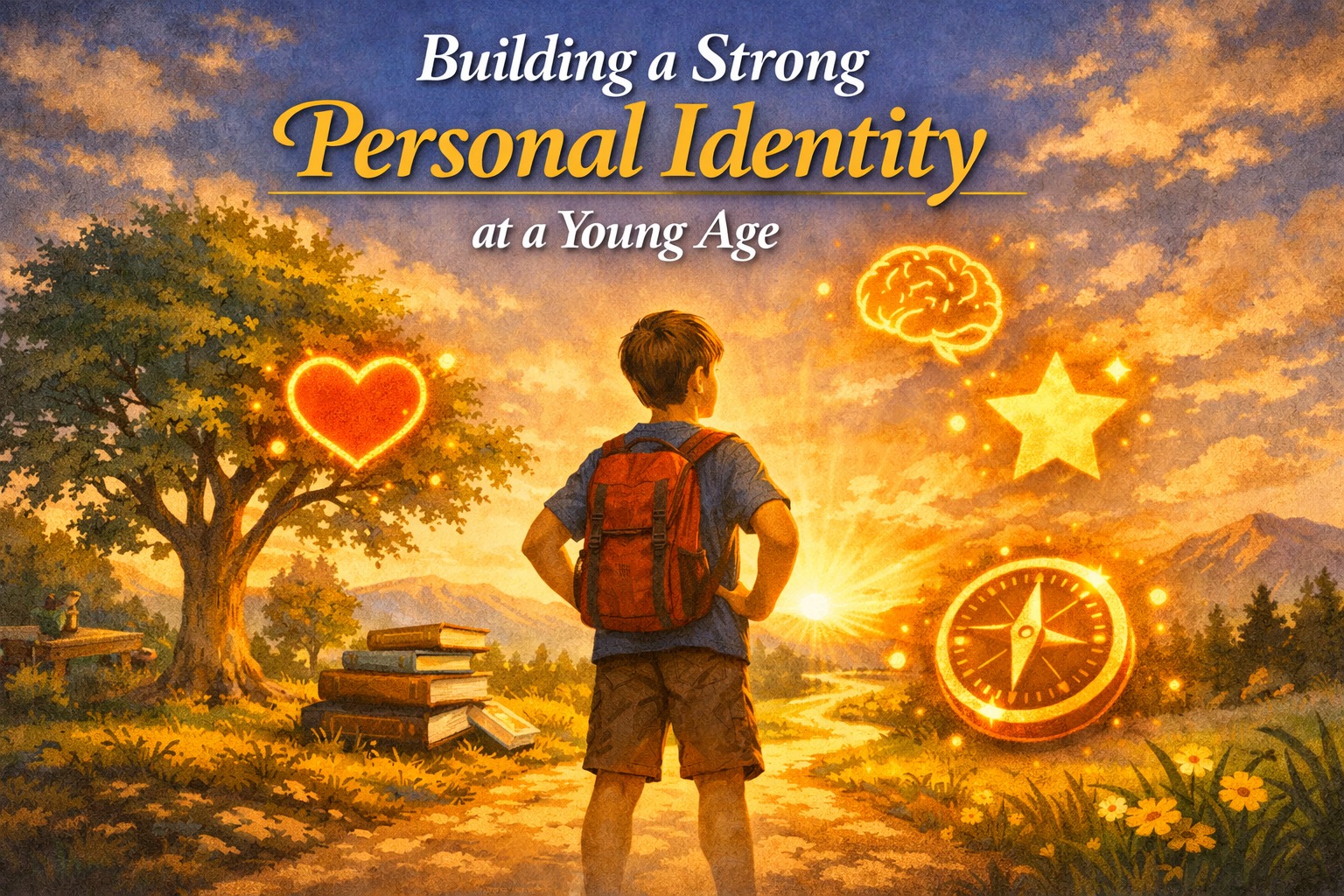
Building a strong personal identity at a young age is one of the most important foundations for long-term personal growth. In today’s fast-changing world, young people face pressure from social media, peers, and society. Without a clear sense of identity, it becomes easy to lose direction and confidence. Developing self-awareness early helps individuals understand who they are, what they value, and what they want to achieve in life.
UNDERSTANDING PERSONAL IDENTITY
Personal identity refers to how a person defines themselves based on beliefs, values, personality traits, and life experiences. At a young age, identity is still flexible and evolving. This is the best time to explore interests, strengths, and weaknesses. A strong identity allows individuals to stay grounded even when influenced by external pressures.
THE ROLE OF SELF-AWARENESS
Self-awareness is the ability to recognize your emotions, thoughts, and behaviors. Young people who develop self-awareness tend to make better decisions and avoid negative influences. Journaling, reflection, and open conversations with trusted people can help improve self-awareness and build a clearer sense of identity.
INFLUENCE OF ENVIRONMENT AND SOCIAL MEDIA
The environment plays a major role in shaping personal identity. Family, friends, and school all contribute to how a young person sees themselves. In addition, social media can either support or weaken identity formation. Positive content can inspire growth, while negative comparisons can reduce self-confidence. Therefore, it is important to use social media mindfully.
BUILDING CONFIDENCE AND INDEPENDENCE
Confidence grows when young individuals start trusting their own decisions. Trying new activities, learning new skills, and stepping out of comfort zones help strengthen independence. When someone is confident in who they are, they are less likely to be influenced by peer pressure and more likely to follow their own path.
DEVELOPING CORE VALUES
Core values are the principles that guide behavior and decision-making. Examples include honesty, respect, responsibility, and kindness. Identifying personal values helps young people stay consistent in their actions. These values become the foundation of a strong and stable identity.
CONCLUSION
Building a strong personal identity at a young age requires time, reflection, and experience. By developing self-awareness, choosing positive environments, and understanding core values, young people can grow into confident and independent individuals. A strong identity not only supports personal success but also contributes to better mental and emotional well-being.
About the Author
Gusti Ayu Tita P
Author — STEKOM University
An active author focused on academic issues, educational technology, and human resource development in the campus environment.