Building Self-Discipline Without Stress or Rigidity
Gusti Ayu Tita P
17 Juli 2026
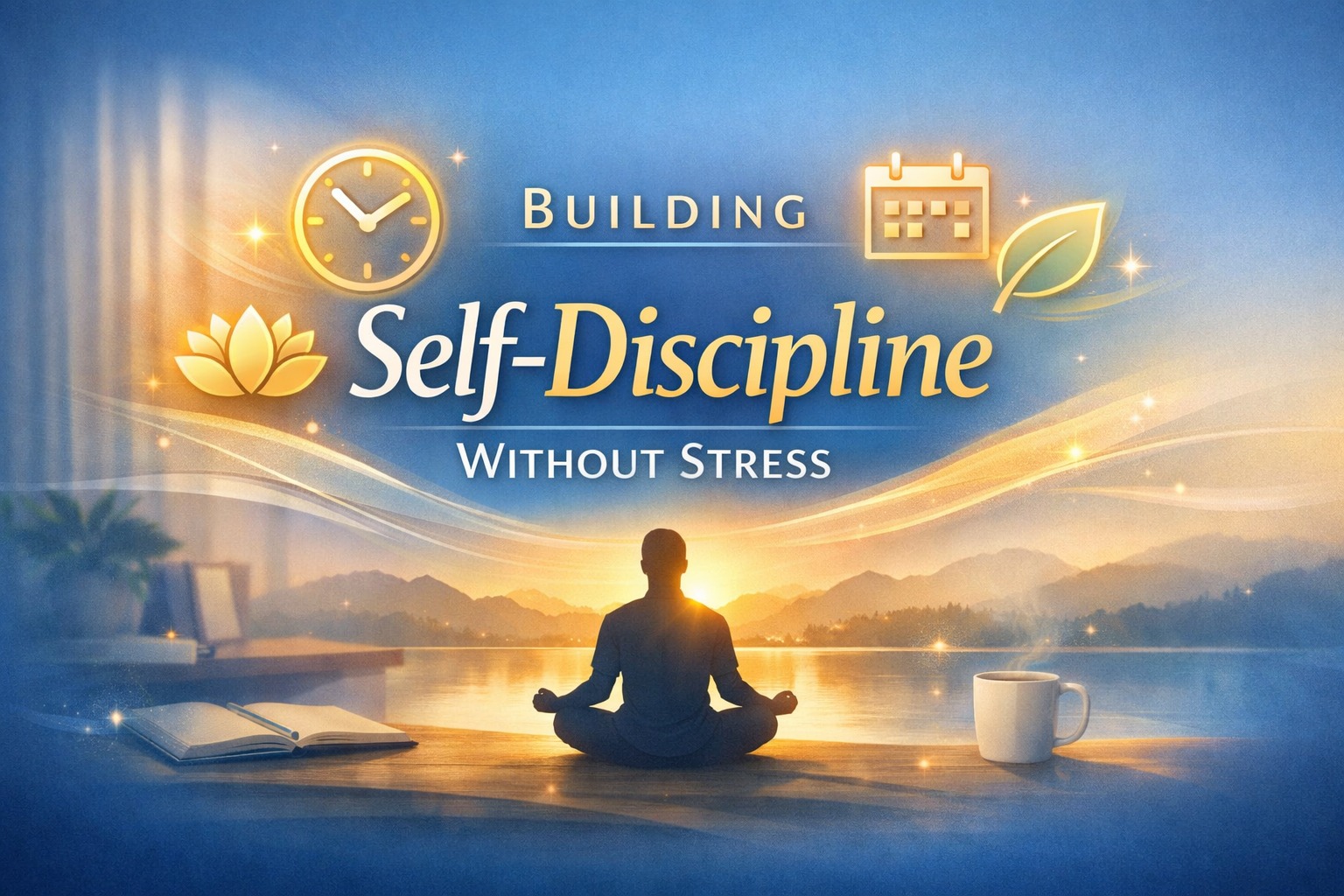
Self-discipline is one of the most important qualities for achieving personal growth and long-term success. It helps people stay focused, manage responsibilities, and maintain positive habits in daily life. However, many individuals believe that discipline requires strict routines, pressure, or constant self-control that can feel stressful and exhausting.
In reality, healthy self-discipline can be developed gradually without creating emotional stress or rigid lifestyles. By building balanced habits an
d maintaining flexibility, people can become more disciplined while still enjoying life and protecting their mental well-being.
UNDERSTANDING SELF-DISCIPLINE
Self-discipline is the ability to manage actions, emotions, and habits in order to achieve goals. It helps individuals stay committed even when facing distractions or challenges.
Healthy discipline is not about perfection. Instead, it focuses on consistency, balance, and making positive decisions over time.
THE IMPORTANCE OF BALANCE
Many people fail to maintain discipline because they create routines that are too strict or unrealistic. Excessive pressure can lead to stress, burnout, and frustration.
Balanced discipline allows individuals to stay productive while also making time for rest, hobbies, and relaxation. A healthy balance supports long-term motivation and emotional stability.
STARTING WITH SMALL HABITS
Building discipline becomes easier when people start with small and manageable habits. Simple actions such as waking up earlier, organizing tasks, or reading for a few minutes each day can create positive changes.
Small habits reduce pressure and help individuals build confidence gradually.
SETTING REALISTIC GOALS
Realistic goals are important for sustainable self-discipline. Goals that are too difficult or unrealistic may cause disappointment and loss of motivation.
Breaking larger goals into smaller steps makes progress feel more achievable and encourages consistent effort.
CREATING FLEXIBLE ROUTINES
Flexible routines help people stay disciplined without feeling trapped by strict schedules. Life often changes unexpectedly, so adaptability is essential.
A flexible routine allows individuals to adjust activities while still maintaining important priorities and healthy habits.
AVOIDING PERFECTIONISM
Perfectionism can make self-discipline stressful. Many people become discouraged when they make small mistakes or fail to follow routines perfectly.
Instead of expecting perfection, individuals should focus on progress and continuous improvement. Mistakes are normal parts of personal growth.
MANAGING STRESS EFFECTIVELY
Stress management is important for maintaining healthy discipline. Activities such as exercise, meditation, deep breathing, and proper rest help improve emotional balance and focus.
A calm mind supports better decision-making and helps people stay motivated in daily activities.
BUILDING POSITIVE MOTIVATION
Positive motivation creates healthier discipline than fear or pressure. People are more likely to maintain habits when they focus on personal growth, meaningful goals, and self-improvement.
Rewarding progress and appreciating small achievements can also increase motivation.
DEVELOPING CONSISTENCY OVER TIME
Consistency is more important than intensity. Small positive actions repeated regularly often create stronger long-term results than extreme short-term efforts.
Developing discipline gradually helps individuals build habits that are sustainable and less emotionally exhausting.
THE BENEFITS OF HEALTHY SELF-DISCIPLINE
Healthy self-discipline improves productivity, confidence, time management, and emotional stability. It also helps people stay focused on goals while maintaining a balanced lifestyle.
Individuals with healthy discipline often experience greater personal satisfaction and long-term success.
CONCLUSION
Building self-discipline does not require stress or rigid routines. By creating balanced habits, setting realistic goals, staying flexible, and focusing on progress instead of perfection, people can develop discipline in a healthier way.
With patience and consistency, self-discipline can become a positive force that supports personal growth, productivity, and emotional well-being.
About the Author
Gusti Ayu Tita P
Author — STEKOM University
An active author focused on academic issues, educational technology, and human resource development in the campus environment.