Common Mistakes That Prevent Self Discovery
Gusti Ayu Tita P
26 Juni 2026
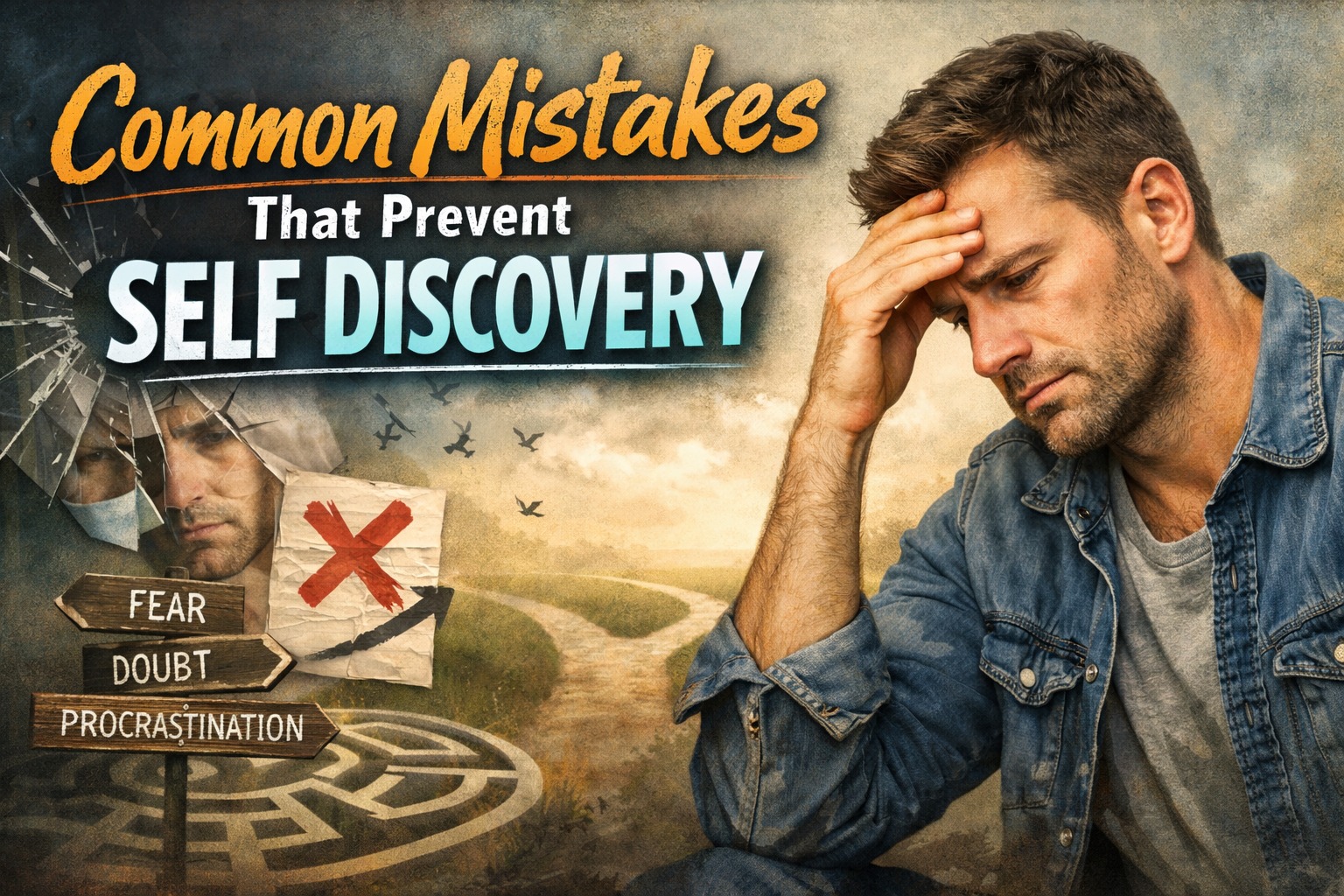
Self-discovery is an important journey that helps people understand their values, strengths, goals, and purpose in life. Through self-discovery, individuals can make better decisions, build healthier relationships, and create a more meaningful future. However, many people struggle to truly understand themselves because they unknowingly make mistakes that slow down or even block personal growth. Recognizing these mistakes is the first step toward developing a deeper understanding of who you are and what you want from life.
IGNORING PERSONAL REFLECTION
One of the most common mistakes that prevent self-discovery is failing to spend time reflecting on personal thoughts and experiences. Many people become so busy with work, studies, social activities, and daily responsibilities that they rarely pause to evaluate their feelings and goals. Without reflection, it becomes difficult to identify personal strengths, weaknesses, and aspirations.
Regular self-reflection helps individuals recognize patterns in their behavior and understand what truly motivates them. Journaling, meditation, or simply setting aside quiet time each day can encourage deeper self-awareness. When reflection becomes a habit, people gain a clearer picture of their authentic selves and can make choices that align with their values.
COMPARING YOURSELF TO OTHERS
Another major obstacle to self-discovery is constantly comparing yourself to other people. Social media and modern lifestyles often encourage comparison, making individuals focus on others' achievements rather than their own personal growth. This habit can create feelings of inadequacy and confusion about personal identity.
Every person has a unique journey, talents, and life circumstances. Instead of measuring success against others, it is more beneficial to focus on personal progress and self-improvement. Understanding your own path allows you to develop confidence and discover what genuinely makes you happy and fulfilled.
FEARING FAILURE AND CHANGE
Many individuals avoid self-discovery because they are afraid of failure or uncomfortable with change. Exploring new interests, career paths, or life goals often involves uncertainty, which can feel intimidating. As a result, people may remain in situations that no longer support their growth.
Failure is often a valuable learning experience rather than a sign of weakness. Accepting mistakes and embracing change can reveal hidden talents, passions, and opportunities. When people become willing to step outside their comfort zones, they often discover important aspects of themselves that were previously overlooked.
SEEKING CONSTANT APPROVAL FROM OTHERS
A strong desire for external validation can significantly hinder self-discovery. People who constantly seek approval from friends, family, or society may make decisions based on expectations rather than personal desires. This can lead to a disconnect between who they truly are and how they present themselves.
Developing self-confidence is essential for understanding personal identity. While feedback from others can be valuable, decisions should ultimately reflect individual values and goals. Trusting your own judgment allows you to build a more authentic and meaningful life.
AVOIDING HONEST SELF-ASSESSMENT
Self-discovery requires honesty and self-awareness, yet many people avoid confronting uncomfortable truths about themselves. They may ignore weaknesses, deny mistakes, or refuse to acknowledge habits that limit personal growth. This lack of honesty can prevent meaningful progress.
Constructive self-assessment helps individuals identify areas for improvement while recognizing their strengths. Being honest does not mean being overly critical; it means accepting reality and using that knowledge to grow. True self-discovery begins when people are willing to see themselves clearly and objectively.
NEGLECTING PERSONAL VALUES AND PASSIONS
Many people become disconnected from their true selves because they ignore their values, interests, and passions. They may pursue goals based on societal expectations, financial pressure, or the influence of others rather than their genuine interests. Over time, this can create dissatisfaction and a lack of purpose.
Understanding what matters most to you is a crucial part of self-discovery. Exploring hobbies, interests, and personal beliefs can reveal what brings meaning and fulfillment. When actions align with core values, individuals experience greater motivation, happiness, and personal growth.
CONCLUSION
Self-discovery is a lifelong process that requires reflection, honesty, courage, and self-awareness. Common mistakes such as ignoring reflection, comparing yourself to others, fearing change, seeking approval, avoiding self-assessment, and neglecting personal values can slow this journey. By recognizing and overcoming these obstacles, individuals can gain a deeper understanding of themselves and build a life that reflects their true identity. The path to self-discovery may not always be easy, but it is one of the most rewarding investments a person can make.
About the Author
Gusti Ayu Tita P
Author — STEKOM University
An active author focused on academic issues, educational technology, and human resource development in the campus environment.