Common Mistakes to Avoid When Using Digital Payments
Gusti Ayu Tita P
11 Juli 2026
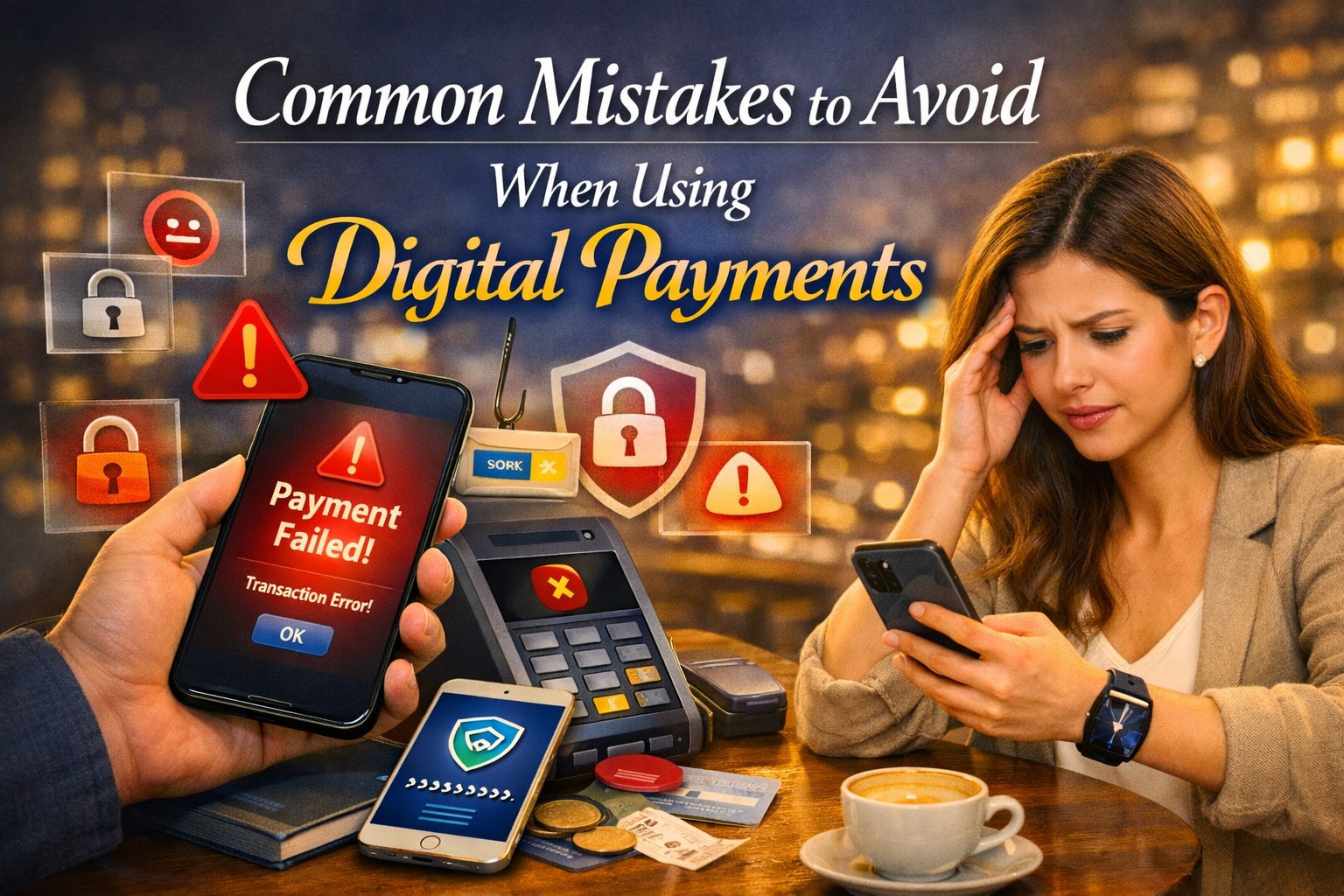
The popularity of digital payments continues to grow as more people choose convenient and cashless transaction methods. Digital wallets, mobile banking, and online payment platforms have made everyday financial activities faster and easier. However, many users still make simple mistakes that can lead to financial loss, security risks, or poor money management.
Understanding these common mistakes is essential for anyone who uses digital payment services. By recognizing potential risks and adopting safer habits, users can enjoy the benefits of modern payment technology with greater confidence. Responsible digital payment practices also help create a safer and more reliable financial environment.
USING WEAK PASSWORDS
One of the most common mistakes is creating weak passwords that are easy to guess. Simple passwords such as birthdays, names, or repeated numbers can make accounts vulnerable to cyberattacks. Strong passwords should include a combination of uppercase letters, lowercase letters, numbers, and special characters.
Users should also avoid using the same password for multiple accounts. If one account is compromised, other accounts may also become vulnerable. Changing passwords regularly is another good practice that improves digital security.
SHARING PERSONAL SECURITY INFORMATION
Many users unknowingly expose themselves to fraud by sharing confidential information. Passwords, PIN numbers, and OTP codes should never be shared with anyone, including people claiming to represent banks or payment providers. Legitimate companies do not request this information through calls, messages, or emails.
Cybercriminals often use social engineering techniques to trick users into revealing personal information. Staying cautious and verifying requests through official communication channels can prevent many types of digital fraud. Protecting confidential data is a basic but essential security habit.
IGNORING SOFTWARE UPDATES
Some people delay updating their payment applications or mobile devices because they believe updates are unnecessary. However, software updates often include important security improvements that protect users from newly discovered cyber threats. Ignoring these updates can leave devices vulnerable to attacks.
Keeping applications and operating systems updated helps improve both performance and security. Automatic updates can make this process easier and ensure users always have the latest protection. Regular updates are an important part of safe digital payment practices.
USING PUBLIC WIFI FOR TRANSACTIONS
Making financial transactions through unsecured public Wi Fi networks is another common mistake. Public internet connections may not provide enough protection against hackers who attempt to intercept sensitive information. This can increase the risk of account theft or unauthorized access.
Whenever possible, users should use private internet connections or trusted mobile data when completing digital payments. A secure network provides stronger protection for personal and financial information. Safe internet usage significantly reduces online security risks.
FAILING TO VERIFY PAYMENT DETAILS
Many payment mistakes occur because users rush through transactions without checking important details. Sending money to the wrong account or entering incorrect payment amounts can create unnecessary problems. Taking a few extra seconds to review transaction information can prevent costly errors.
Users should always verify recipient names, payment amounts, and account details before confirming transactions. Careful verification improves transaction accuracy and reduces the possibility of financial mistakes. Attention to detail is an important habit in digital finance.
NEGLECTING TRANSACTION HISTORY
Some users rarely check their transaction history, making it difficult to detect suspicious activities. Reviewing account records regularly helps identify unauthorized payments or unusual spending patterns. Early detection allows users to respond quickly if problems occur.
Most digital payment applications automatically record financial activities for easy monitoring. Users should make it a habit to review these records every week or after important transactions. Regular monitoring also supports better financial management.
DOWNLOADING UNOFFICIAL APPLICATIONS
Installing payment applications from unofficial websites or unknown sources can expose users to malware and fake software. These applications may steal personal information or compromise financial accounts. It is always safer to download apps from official stores or trusted providers.
Before installing any application, users should check reviews, developer information, and download statistics. Using official software reduces security risks and provides access to regular updates. Trusted applications are an essential part of safe digital payments.
SPENDING WITHOUT A BUDGET
The convenience of digital payments can sometimes encourage unnecessary spending. Since users do not physically handle cash, they may lose track of their expenses. This habit can affect personal financial stability over time.
Creating a monthly budget and monitoring digital transactions can help control spending. Many payment applications offer expense tracking features that make budgeting easier. Responsible financial management ensures that digital convenience does not lead to overspending.
IMPROVING DIGITAL LITERACY
Developing digital literacy helps users avoid many common payment mistakes. Understanding cybersecurity, financial technology, and online safety allows people to recognize risks before problems occur. Knowledge is one of the strongest tools for protecting digital financial activities.
Learning about new security practices and payment technologies should become a continuous habit. Financial institutions and technology companies frequently provide educational resources for users. Staying informed helps people use digital payment systems more safely and effectively.
CONCLUSION
Avoiding common mistakes when using digital payments is essential for protecting financial information and maintaining secure transactions. Strong passwords, secure internet connections, careful verification, and responsible financial habits all contribute to safer digital payment experiences. By improving digital literacy and following best practices, users can confidently enjoy the convenience of modern financial technology.
About the Author
Gusti Ayu Tita P
Author — STEKOM University
An active author focused on academic issues, educational technology, and human resource development in the campus environment.