Easy Eco-Friendly Lifestyles You Can Apply Today
Gusti Ayu Tita P
22 Juli 2026
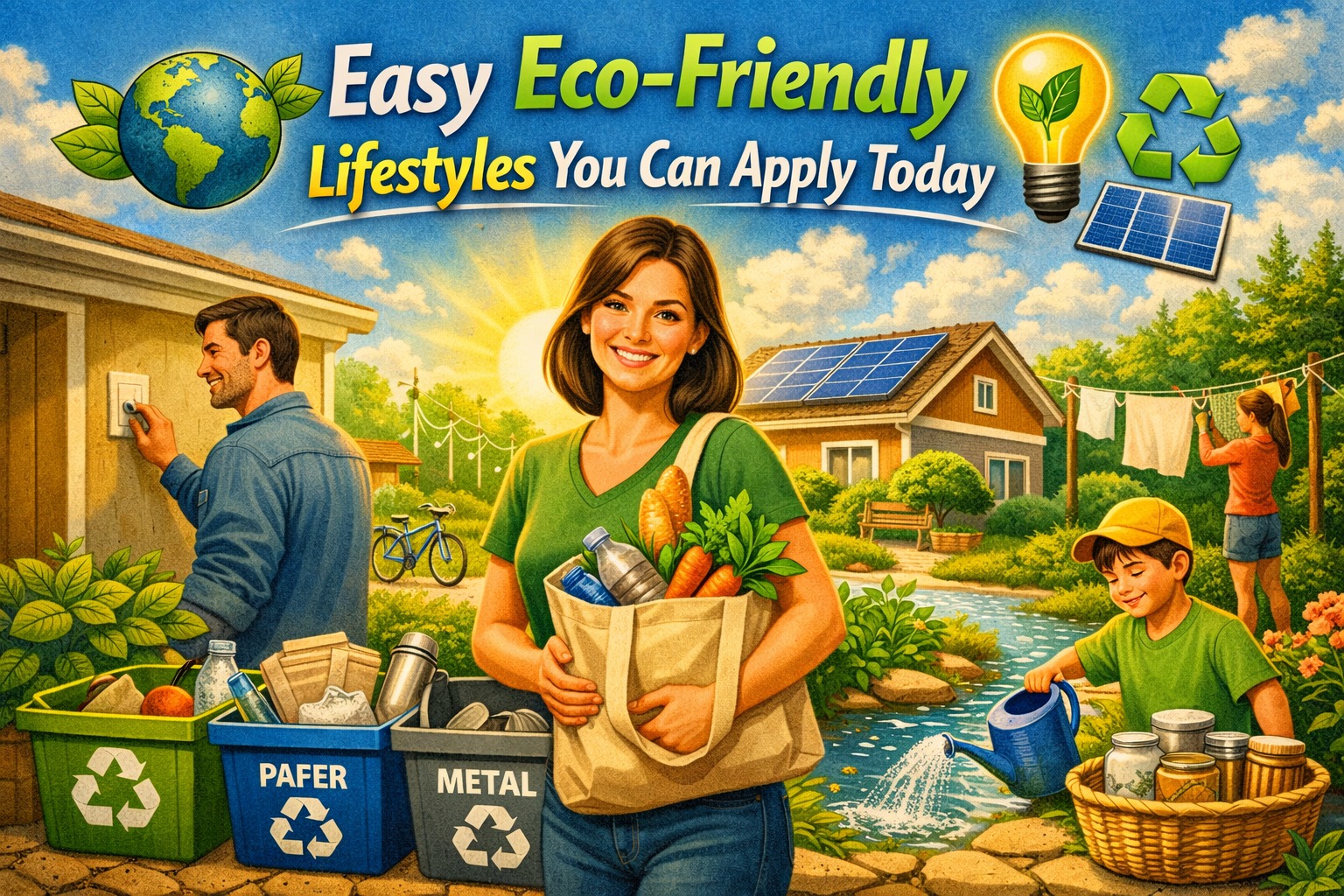
Living an eco-friendly lifestyle is no longer a complicated or expensive commitment. Small daily habits can significantly reduce environmental impact while saving money and improving health. The best part is that anyone can start today without major lifestyle changes. This article explores simple, practical ways to adopt a greener lifestyle step by step.
WHY ECO-FRIENDLY LIVING MATTERS?
Environmental challenges such as climate change, pollution, and waste accumulation continue to grow every year. Individual actions may seem small, but when millions of people make conscious choices, the collective impact becomes powerful.
Eco-friendly living helps to
1. Reduce waste and pollution
2. Save natural resources
3. Improve personal well-being
4. Support a sustainable future
Starting with simple habits is the most realistic and effective approach.
REDUCE SINGLE-USE PLASTICS
Plastic waste is one of the biggest contributors to environmental damage. Many single-use plastics end up in oceans and landfills where they take hundreds of years to decompose.
Easy actions you can start today include
1. Bringing reusable shopping bags
2. Using a refillable water bottle
3. Avoiding plastic straws and cutlery
4. Choosing products with minimal packaging
These small changes quickly reduce daily waste and encourage responsible consumption.
SAVE ENERGY AT HOME
Energy consumption plays a major role in carbon emissions. Fortunately, reducing electricity use does not require expensive upgrades.
Simple energy-saving habits include
1. Turning off lights when leaving a room
2. Using energy-efficient LED bulbs
3. Unplugging chargers and electronics when not in use
4. Maximizing natural light and ventilation
Lower energy use not only protects the environment but also reduces monthly bills.
CHOOSE SUSTAINABLE FOOD HABITS
Food production has a huge environmental footprint. Making smarter food choices is one of the easiest ways to live sustainably.
You can start by
1. Reducing food waste through meal planning
2. Eating more plant-based meals
3. Buying local and seasonal products
4. Storing food properly to extend freshness
Sustainable eating benefits both the planet and personal health.
USE ECO-FRIENDLY TRANSPORTATION
Transportation contributes significantly to greenhouse gas emissions. Adjusting travel habits can make a big difference.
Try these alternatives
1. Walking or cycling for short trips
2. Using public transportation
3. Carpooling with friends or coworkers
4. Combining errands into one trip
These habits reduce fuel consumption and promote healthier lifestyles.
SUPPORT SUSTAINABLE PRODUCTS AND BRANDS
Every purchase sends a message to the market. Choosing eco-friendly brands encourages businesses to adopt sustainable practices.
Look for products that
1. Use recyclable or biodegradable packaging
2. Are made from sustainable materials
3. Promote ethical production
4. Have long-lasting durability
Buying less but choosing better is a key principle of green living.
START SMALL AND STAY CONSISTENT
Many people believe eco-friendly living requires drastic changes, but consistency matters more than perfection. Begin with one or two habits and gradually expand over time.
Remember that sustainable living is a journey. Every small action contributes to a healthier planet and a better future for the next generation.
CONCLUSION
Adopting eco-friendly lifestyles does not have to be difficult. By reducing plastic use, saving energy, making sustainable food choices, adjusting transportation habits, and supporting responsible brands, anyone can make a meaningful impact. Start today with small steps and build a greener routine that lasts a lifetime.
About the Author
Gusti Ayu Tita P
Author — STEKOM University
An active author focused on academic issues, educational technology, and human resource development in the campus environment.