Environmentally Friendly Technology for a Better Future
Gusti Ayu Tita P
15 Juli 2026
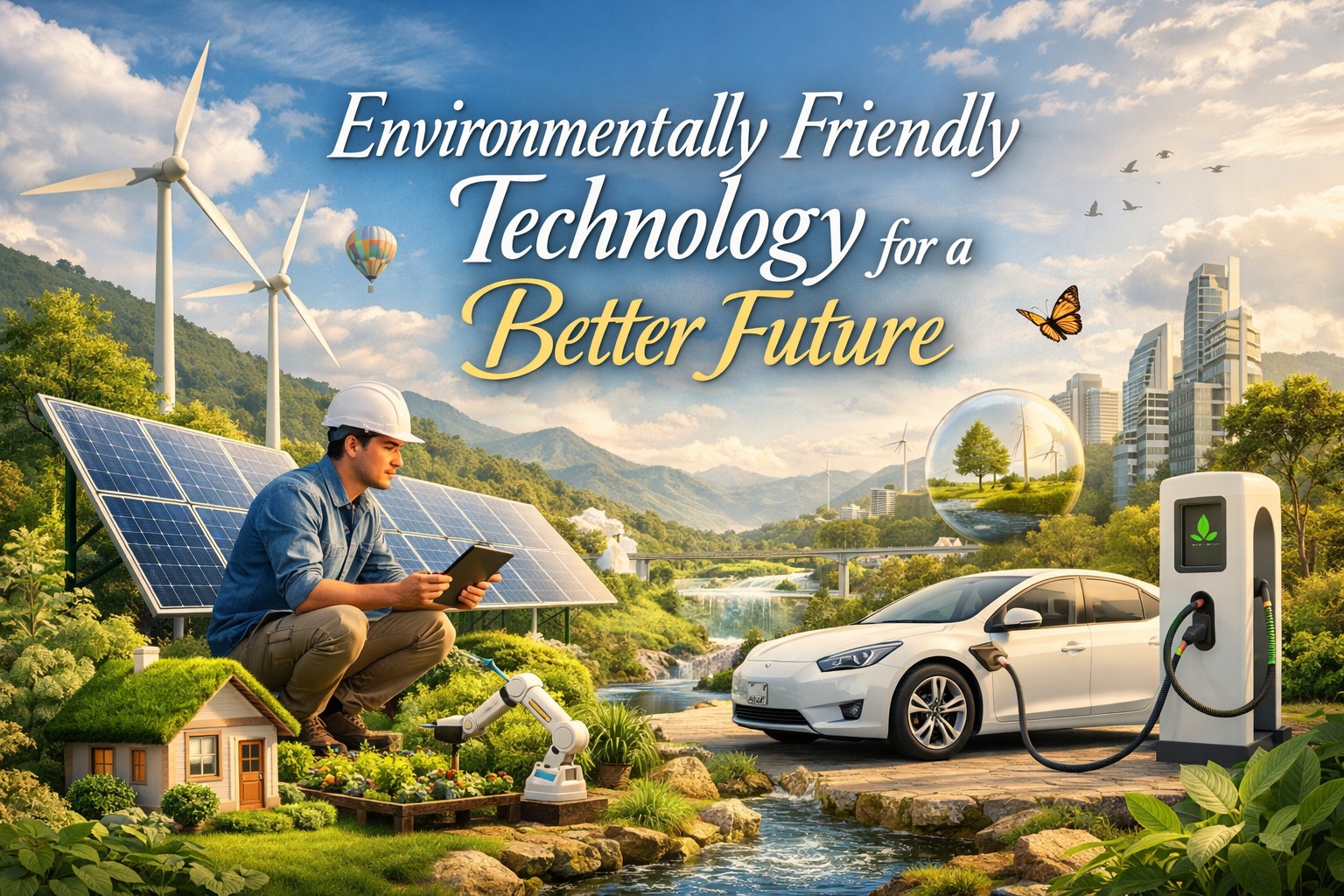
As environmental challenges continue to grow, environmentally friendly technology has become one of the most effective solutions for creating a cleaner and healthier world. Modern innovations are helping reduce pollution, conserve natural resources, and improve energy efficiency across various industries. Governments, businesses, and individuals are increasingly adopting sustainable technologies to support long-term environmental goals. By embracing these advancements, society can achieve economic growth while protecting the planet for future generations.
WHAT IS ENVIRONMENTALLY FRIENDLY TECHNOLOGY?
Environmentally friendly technology, also known as green technology, refers to innovations designed to minimize negative impacts on the environment. These technologies focus on reducing pollution, conserving energy, lowering greenhouse gas emissions, and using natural resources more efficiently. Their primary goal is to create sustainable solutions without compromising economic development.
Today, green technology can be found in many aspects of daily life, including renewable energy, electric transportation, smart buildings, and waste management systems. As technology continues to evolve, environmentally friendly solutions are becoming more affordable and accessible. This encourages individuals and organizations to participate in protecting the environment through practical actions.
TYPES OF GREEN TECHNOLOGY
One of the most well-known examples is renewable energy, including solar power, wind energy, and hydropower. Unlike fossil fuels, these energy sources produce significantly lower carbon emissions and are naturally replenished. They help reduce dependence on non-renewable resources while supporting cleaner electricity production.
Another important innovation is the development of electric vehicles. These vehicles produce fewer emissions than conventional gasoline-powered cars and contribute to improved air quality. In addition, modern recycling technologies, biodegradable materials, and water purification systems help reduce waste and preserve valuable natural resources. Together, these technologies support a more sustainable lifestyle.
BENEFITS OF ENVIRONMENTALLY FRIENDLY TECHNOLOGY
The most significant advantage of green technology is its ability to reduce environmental pollution. Cleaner production methods and energy-efficient systems lower carbon emissions, helping combat climate change. At the same time, healthier ecosystems contribute to better public health and biodiversity conservation.
Environmentally friendly technology also creates economic opportunities. The growth of renewable energy industries generates new jobs, encourages innovation, and attracts investment in sustainable businesses. Companies that adopt eco-friendly technologies often experience lower operating costs through improved energy efficiency and resource management. This creates benefits for both businesses and society.
CHALLENGES IN IMPLEMENTING GREEN TECHNOLOGY
Although the benefits are substantial, several challenges remain. The initial investment required for environmentally friendly technologies can be relatively high, making adoption difficult for some businesses and households. In addition, developing countries may face limited infrastructure and financial resources to support large-scale implementation.
Another challenge is the lack of public awareness and technical knowledge. Some people are still unfamiliar with the long-term advantages of sustainable technology or hesitate to change established habits. Continuous education, government incentives, and collaboration between industries are essential to accelerate widespread adoption.
HOW INDIVIDUALS CAN SUPPORT A GREENER FUTURE?
Everyone can contribute to environmental protection by making simple yet meaningful choices. Using energy-efficient appliances, reducing single-use plastics, recycling household waste, and conserving water are practical ways to minimize environmental impact. Small actions performed consistently can create significant positive changes over time.
Supporting businesses that prioritize sustainability is another effective step. Individuals can also consider using public transportation, cycling, or choosing electric vehicles when possible. By adopting environmentally responsible habits, people become active participants in building a cleaner and more sustainable future.
CONCLUSION
The future of environmentally friendly technology is highly promising as innovation continues to accelerate. Advances in artificial intelligence, smart energy systems, battery technology, and carbon capture solutions are expected to further improve sustainability efforts. These developments will help industries become more efficient while reducing their environmental footprint.
Collaboration among governments, businesses, researchers, and communities will play a crucial role in expanding green innovation worldwide. As awareness continues to increase, environmentally friendly technology will become an essential foundation for sustainable development. Investing in these solutions today is an investment in a healthier planet and a better quality of life for future generations.
About the Author
Gusti Ayu Tita P
Author — STEKOM University
An active author focused on academic issues, educational technology, and human resource development in the campus environment.