Essential Skills Needed for Success in Hybrid Classes
Gusti Ayu Tita P
25 Juni 2026
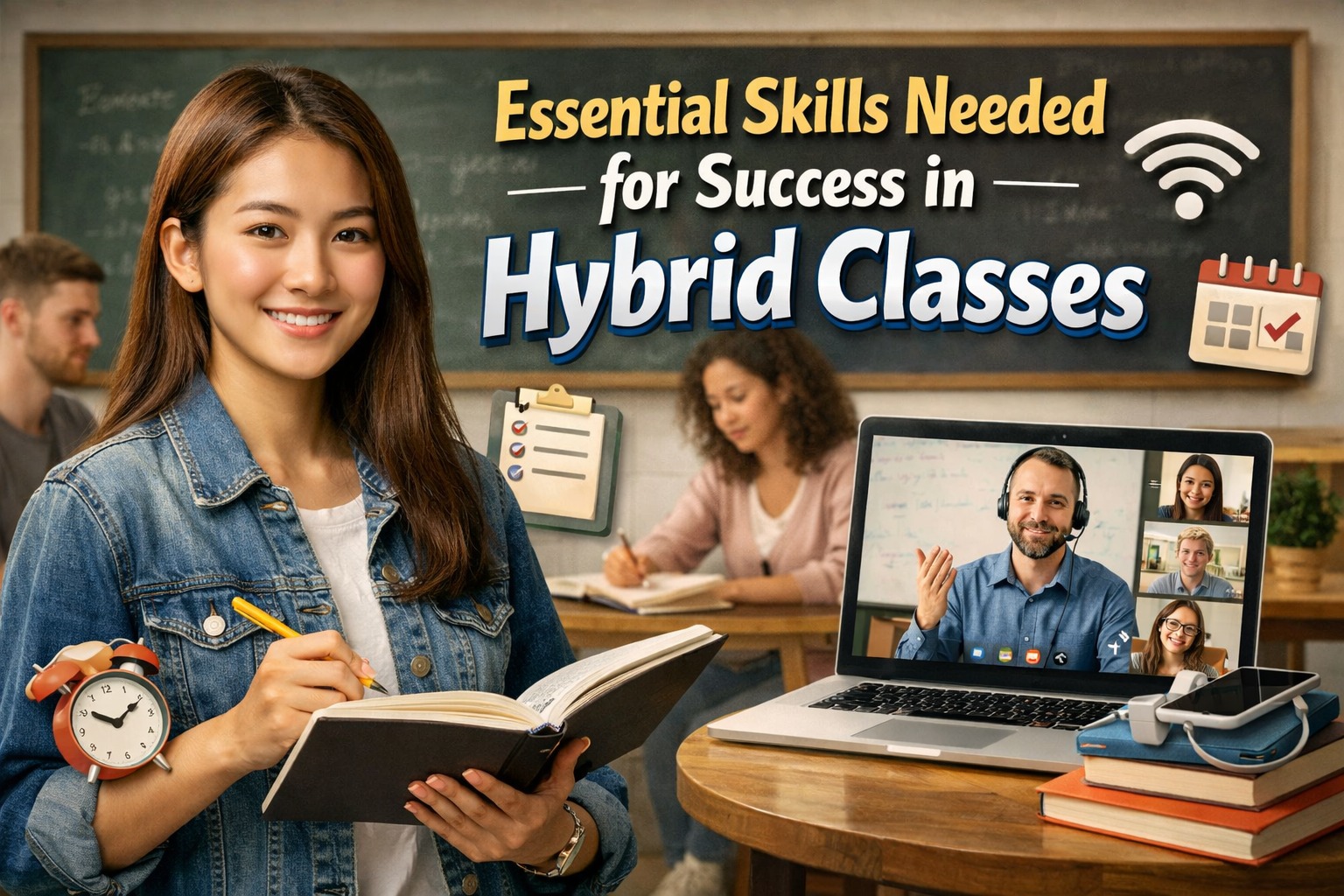
Hybrid learning has become an increasingly popular educational model because it combines traditional classroom learning with online instruction. This flexible approach allows students to learn from different locations while still maintaining interaction with teachers and classmates. However, succeeding in hybrid classes requires more than simply attending lessons. Students must develop specific skills that help them adapt to both physical and virtual learning environments.
Understanding and mastering these essential skills can significantly improve academic performance, increase productivity, and create a more effective learning experience. With the right habits and mindset, students can maximize the benefits of hybrid education and achieve their educational goals.
TIME MANAGEMENT SKILLS
One of the most important skills for success in hybrid classes is time management. Students often need to balance online lectures, classroom sessions, assignments, extracurricular activities, and personal responsibilities. Without a proper schedule, it becomes easy to miss deadlines or fall behind in coursework.
Creating a study plan and setting priorities can help students stay organized. Using digital calendars, reminders, and task management applications can make it easier to track assignments and important dates. Effective time management reduces stress and allows students to maintain consistent academic progress.
SELF-DISCIPLINE AND RESPONSIBILITY
Hybrid learning offers flexibility, but it also requires a high level of self-discipline. Unlike traditional classrooms where teachers closely monitor attendance and participation, hybrid classes often expect students to manage their own learning activities independently.
Students who develop strong personal responsibility are more likely to complete assignments on time and actively engage in lessons. Establishing a dedicated study routine and minimizing distractions can help maintain focus. Consistent self-discipline leads to better learning outcomes and improved academic performance.
DIGITAL LITERACY AND TECHNOLOGY SKILLS
Technology plays a central role in hybrid education. Students must be comfortable using learning management systems, video conferencing platforms, online collaboration tools, and digital resources. Strong digital literacy enables learners to access information efficiently and participate effectively in virtual activities.
Being familiar with common educational technologies also reduces technical difficulties during classes. Students should continuously improve their technology skills to adapt to new platforms and learning tools. This confidence allows them to focus more on learning rather than troubleshooting technical issues.
COMMUNICATION AND COLLABORATION ABILITIES
Effective communication skills are essential in hybrid classes because interactions occur both online and face-to-face. Students need to express their ideas clearly, ask questions when necessary, and participate actively in discussions.
Collaboration is equally important since many hybrid courses include group projects and team assignments. Learning how to communicate respectfully and work with classmates through digital platforms helps build stronger teamwork. Good communication fosters engagement, improves understanding, and creates a positive learning environment.
ADAPTABILITY AND PROBLEM-SOLVING SKILLS
Hybrid learning environments can change quickly due to technology updates, schedule adjustments, or unexpected challenges. Students who possess strong adaptability can adjust more easily to different learning situations and remain productive despite changes.
Problem-solving skills are also valuable when dealing with technical issues, complex assignments, or unexpected obstacles. Instead of becoming frustrated, adaptable students seek solutions and continue learning. These abilities help learners remain resilient and confident throughout their educational journey.
CRITICAL THINKING AND INDEPENDENT LEARNING
Success in hybrid classes often requires students to learn independently. Developing critical thinking skills helps learners analyze information, evaluate sources, and make informed decisions. These skills are especially important when conducting online research or completing self-directed assignments.
Independent learners take initiative and actively seek knowledge beyond classroom materials. They are better prepared to handle academic challenges and retain information more effectively. Combining critical thinking with self-directed learning promotes long-term educational success.
CONCLUSION
Hybrid learning provides flexibility and convenience, but achieving success requires more than access to technology. Students must develop essential skills such as time management, self-discipline, digital literacy, communication, adaptability, and critical thinking. These competencies help learners stay organized, engaged, and productive in both online and classroom settings.
By continuously improving these skills, students can overcome common challenges and fully benefit from the hybrid learning experience. Strong learning habits not only support academic achievement but also prepare students for future educational and professional opportunities.
About the Author
Gusti Ayu Tita P
Author — STEKOM University
An active author focused on academic issues, educational technology, and human resource development in the campus environment.