
How Can You Choose Attractive Giveaway Prizes?
Gusti Ayu Tita P
17 September 2026
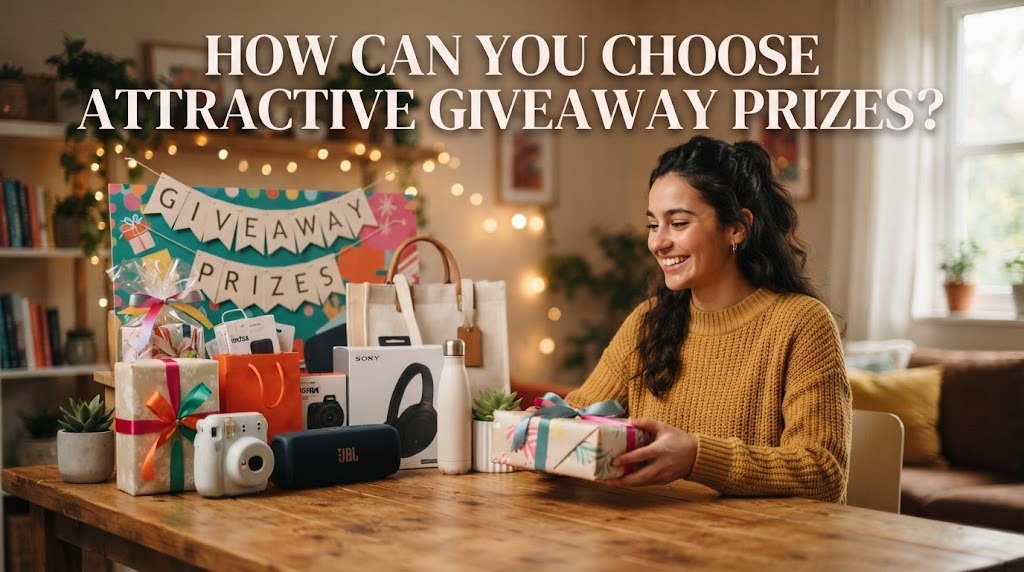
Choosing attractive giveaway prizes is important for making a giveaway more interesting to potential participants. A prize that matches the audience's interests can encourage more people to join and interact with the campaign. However, an attractive prize does not always have to be expensive or luxurious. The most important factors are usefulness, relevance, quality, and suitability for the target audience. So, how can organizers choose giveaway prizes that attract attention while staying within their budget?
UNDERSTAND YOUR TARGET AUDIENCE
The first step in choosing a giveaway prize is understanding who the target audience is. Consider their age range, interests, lifestyle, needs, and purchasing habits when selecting a prize. A prize that is useful for the audience is more likely to attract genuine interest. For example, a technology-related audience may appreciate useful digital accessories, while a fitness community may prefer practical fitness products.
Understanding the audience also helps organizers avoid choosing prizes simply because they are popular. A prize can be highly valuable but still have limited appeal if it does not match the participants' interests. Organizers can review previous engagement, audience feedback, or the theme of their platform to identify suitable options. This approach makes the giveaway more relevant and potentially improves participant engagement.
CHOOSE USEFUL AND RELEVANT PRIZES
A useful prize can make participants feel that joining the giveaway is worthwhile. Practical products that can be used regularly may have stronger appeal than items with limited functions. The prize should also be connected to the organizer's brand, campaign, or content whenever possible. This connection can make the giveaway feel more natural instead of looking like a random promotion.
Relevance is especially important when the main goal is to attract potential customers. For example, a beauty brand can offer products from its own range, while an educational platform can provide books, courses, or learning-related rewards. The prize should provide real value without misleading participants about what they will receive. Clear prize descriptions also help create realistic expectations before people enter.
CONSIDER THE PRIZE QUALITY
Prize quality can influence how participants perceive a giveaway and its organizer. A prize should be in good condition and match the description provided in the campaign. If the organizer promises a specific product, important details such as the model, quantity, size, or included items should be clearly explained. This helps prevent misunderstandings after the winner is announced.
Quality does not necessarily mean choosing the most expensive product available. A reasonably priced item from a reliable source may be more suitable than an expensive product with uncertain quality. Organizers should check the product before announcing it as a prize, especially when working with external sellers or sponsors. Providing a good-quality prize can also contribute to a more positive participant experience.
MATCH THE PRIZE WITH THE GIVEAWAY THEME
The giveaway prize should ideally match the theme of the campaign. A strong connection between the prize and the campaign can make the promotion easier for participants to understand. For example, a travel-themed giveaway could offer travel accessories, while a study-related campaign could provide useful learning materials. This approach can also help reinforce the main message of the campaign.
A relevant prize can attract participants who are genuinely interested in the topic. This may be more valuable than attracting a large number of people who only want a random free item. Organizers should therefore consider the purpose of the giveaway before deciding on the prize. The prize should support the campaign rather than distract from its main objective.
SET A REALISTIC BUDGET
Budget is another important factor when selecting giveaway prizes. Organizers should determine how much they can spend before choosing specific products or rewards. The total budget should include not only the prize itself but also possible shipping, packaging, taxes, platform fees, and other campaign costs. Planning these expenses can prevent the giveaway from becoming unnecessarily expensive.
An attractive giveaway can still be created with a limited budget. Organizers can choose several smaller prizes instead of one expensive item if this fits the campaign better. Digital rewards can also reduce shipping and packaging costs in some situations. The key is to balance prize appeal with the overall financial capacity of the organizer.
OFFER PRIZES THAT CREATE INTEREST
A giveaway prize should be interesting enough to encourage people to pay attention to the campaign. Limited editions, useful products, popular items, or experiences can sometimes attract participants without requiring an extremely large budget. Organizers should consider what makes a prize meaningful to their specific audience. The perceived value of a prize can vary depending on the needs and interests of participants.
However, organizers should avoid exaggerating the value of a prize. All important details should be communicated honestly and clearly. If there are restrictions, expiration dates, product variations, or other conditions, participants should be informed before entering. Transparent information helps maintain trust and reduces potential complaints.
CONCLUSION
Choosing attractive giveaway prizes requires more than simply selecting an expensive product. Organizers should understand their target audience, choose useful and relevant rewards, consider product quality, and match the prize with the giveaway theme. Budget planning is also essential because the total campaign cost can include expenses beyond the prize itself. Most importantly, the prize should provide genuine value while being described honestly. By combining audience relevance, usefulness, quality, and realistic budgeting, organizers can create more appealing and well-planned giveaways.
About the Author
Gusti Ayu Tita P
Author — STEKOM University
An active author focused on academic issues, educational technology, and human resource development in the campus environment.