
How Can You Improve Preparedness for Disaster Evacuation?
Gusti Ayu Tita P
19 September 2026
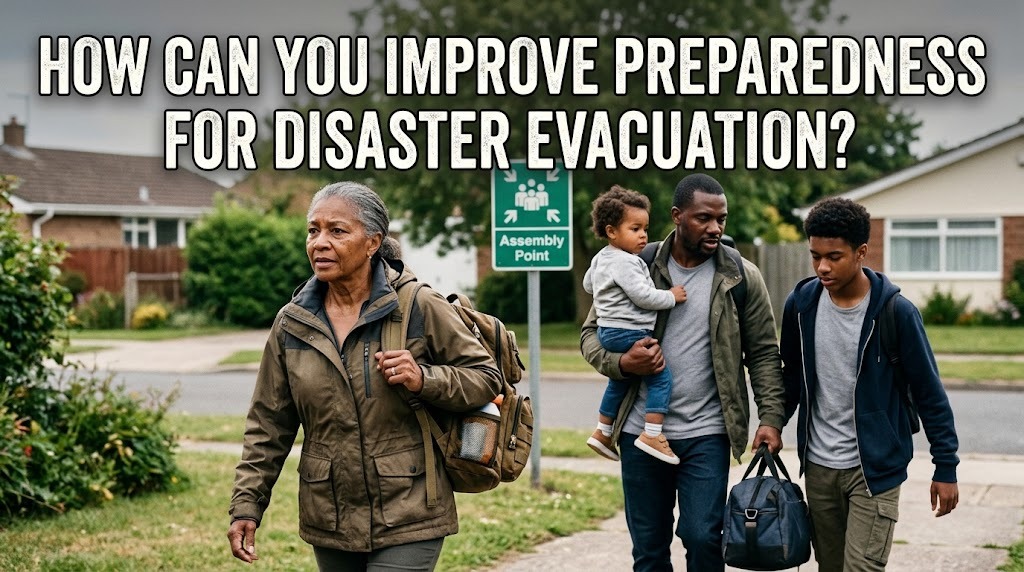
Disasters can happen unexpectedly, so disaster preparedness is important for every family and community. Being prepared can help people respond more quickly and make safer decisions when an emergency occurs. Evacuation may become difficult when people do not know where to go, what to bring, or how to communicate with others.
Good preparation does not mean expecting a disaster to happen every day. It means having a clear plan and understanding what actions should be taken when an emergency occurs. Simple preparations, such as knowing evacuation routes and preparing emergency supplies, can make evacuation more organized and reduce confusion.
CREATE A CLEAR EVACUATION PLAN
The first step to improve disaster preparedness is creating a clear evacuation plan. Families should discuss where they will go if they need to leave their home quickly. Choose several safe locations that can be reached through different routes. Having more than one option is useful because the usual route may become blocked during a disaster.
Everyone in the family should understand the plan, including children and elderly family members. The plan should explain where family members should meet if they become separated. It is also helpful to decide who will assist people who need extra support. A simple plan that everyone understands can make evacuation easier during stressful situations.
KNOW SAFE EVACUATION ROUTES
Knowing evacuation routes before a disaster happens can save valuable time. People should identify roads, paths, and public areas that can be used to reach a safer location. Avoid relying on only one route because roads may be blocked by flooding, fallen objects, traffic, or other hazards. Check local information to learn which areas may be unsafe during different types of disasters.
Families can also practice reaching their chosen evacuation locations. Walking through the route can help people understand the distance and possible obstacles. It is important to follow official instructions if authorities announce a different evacuation route. Safety should always come before convenience when choosing a path during an emergency.
PREPARE AN EMERGENCY KIT
A well-prepared emergency kit can help people meet basic needs during evacuation. The kit can include drinking water, ready-to-eat food, a flashlight, batteries, a first aid kit, personal hygiene items, and important documents. A phone charger or power bank can also be useful for maintaining communication. The contents should be adjusted according to the needs of each family member.
Emergency supplies should be stored somewhere that is easy to reach. Check the items regularly and replace anything that is damaged or expired. Important medicines and other personal necessities should also be included when needed. Keeping the emergency kit ready means people do not have to collect everything from different places when evacuation becomes necessary.
STAY INFORMED ABOUT DISASTER WARNINGS
Reliable information is an important part of disaster preparedness. People should pay attention to official warnings from local authorities and trusted emergency organizations. Information about weather conditions, evacuation orders, road closures, and dangerous areas can help people make safer decisions. Avoid relying on unverified messages that may cause unnecessary panic or confusion.
Families can prepare by knowing how they will receive emergency information. Phones, radios, official websites, and local warning systems may provide important updates. It is also useful to make sure phones are charged when severe weather or another emergency is expected. Following official instructions can help people respond to changing conditions more effectively.
PRACTICE EVACUATION WITH FAMILY
Regular evacuation practice can help family members become more familiar with the emergency plan. During a practice, everyone can learn where to go, which route to use, and where to meet. Children can learn what to do without becoming overly confused when an actual emergency occurs. Adults can also identify problems in the plan that need to be corrected.
Practice should be simple and realistic without creating unnecessary fear. After each practice, discuss what worked well and what should be improved. Families can update their plan when someone moves, changes their schedule, or develops different needs. Regular practice helps turn preparation into a habit rather than something people only think about after a disaster begins.
REVIEW AND UPDATE YOUR PREPAREDNESS
Disaster preparedness should be reviewed regularly because circumstances can change. A family may move to a new home, have a new family member, or discover that an evacuation route is no longer suitable. Emergency supplies can also become outdated or incomplete. Reviewing the plan helps ensure that the information and equipment remain useful.
Communities can also improve preparedness by sharing safety information and supporting vulnerable residents. Schools, workplaces, and local organizations can conduct emergency drills and provide information about evacuation procedures. Everyone has a role in creating a safer environment during disasters. Preparedness is an ongoing process, so small improvements made regularly can make a significant difference when an emergency occurs.
CONCLUSION
Improving disaster evacuation preparedness starts with simple and practical actions. Families should create a clear evacuation plan, know safe routes, prepare emergency supplies, and follow reliable warnings. Regular evacuation practice can also help everyone understand their responsibilities and respond more calmly.
Preparedness should be reviewed and updated regularly so it remains suitable for current conditions. By preparing before a disaster happens, people can reduce confusion and make evacuation more organized. Good preparation helps individuals, families, and communities respond more safely during emergencies.
About the Author
Gusti Ayu Tita P
Author — STEKOM University
An active author focused on academic issues, educational technology, and human resource development in the campus environment.