
How Can You Keep Your Mind Calm Under Pressure?
Gusti Ayu Tita P
21 September 2026
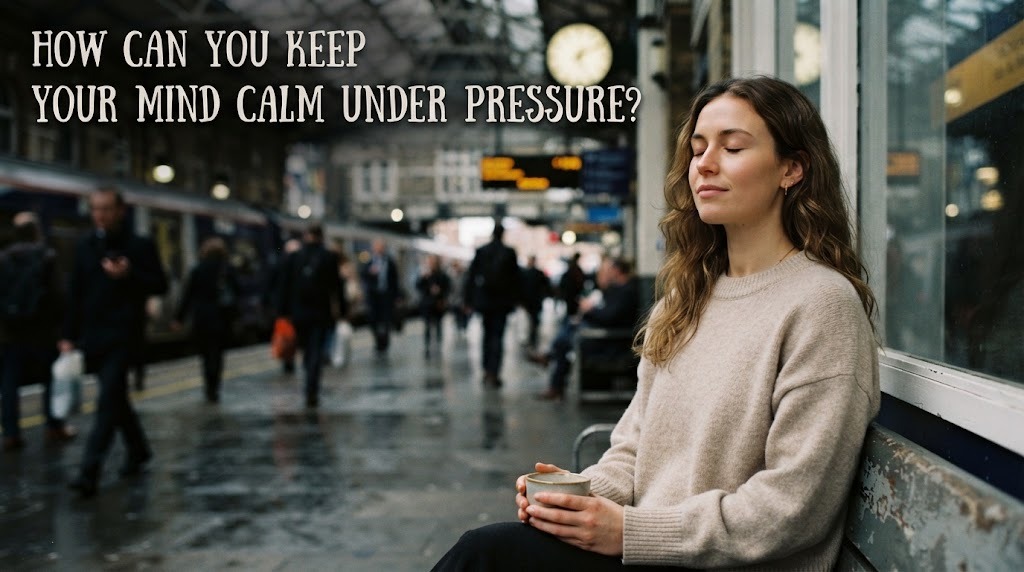
Pressure can appear when work, study, relationships, finances, or other responsibilities demand attention at the same time. When pressure increases, the mind may become filled with worries and make it harder to think clearly. Keeping the mind calm does not mean avoiding every difficult situation. Instead, it means learning how to respond to pressure without allowing it to control every thought and action. Simple habits can help create more mental space when situations feel demanding.
WHY CAN PRESSURE MAKE THE MIND FEEL RESTLESS?
Pressure often creates a sense that something needs to be handled immediately. When several demands appear together, the mind may repeatedly switch between different problems. Competing thoughts can make it difficult to focus on one task or decide where to begin. This can create additional frustration because the person may feel busy without making meaningful progress. Recognizing this pattern is an important first step.
The mind can also remain active after the immediate situation has ended. A person may continue thinking about what could go wrong or what needs to happen next. Unresolved concerns can therefore make relaxation difficult even during free time. Writing down important tasks can help move them out of active memory. This can make it easier to focus on the present instead of repeatedly reviewing the same concerns.
HOW CAN SLOW BREATHING HELP DURING PRESSURE?
Slow breathing can provide a simple pause when emotions and thoughts feel intense. Focusing attention on the breath gives the mind something specific to notice instead of continuously following stressful thoughts. Controlled breathing may help promote a calmer physical state for some people. It can be practiced while sitting, standing, or taking a short break. The technique should feel comfortable rather than forced.
A person can breathe slowly and naturally while paying attention to the movement of the breath. There is no need to make each breath unusually deep or hold it for a long time. Gentle breathing can be combined with relaxing the shoulders and reducing physical tension. If a breathing exercise causes dizziness or discomfort, return to normal breathing. The purpose is to create a brief pause before responding to pressure.
WHY SHOULD YOU FOCUS ON ONE TASK AT A TIME?
Trying to handle several demanding tasks simultaneously can increase mental distraction. When attention constantly moves between activities, it can become harder to complete any of them efficiently. Single-tasking allows attention to remain on one clear objective for a specific period. This can make a large workload feel more manageable. It also reduces the feeling that every responsibility must be solved immediately.
Start by choosing the task that is most urgent or important. Break it into a smaller action that can be completed without thinking about the entire workload. Small steps can create visible progress and reduce mental resistance. Once one task is completed, move to the next priority. This approach can be more manageable than trying to keep the entire workload active in your mind.
HOW CAN YOU REDUCE UNNECESSARY DIGITAL PRESSURE?
Digital notifications can add pressure by creating a constant expectation to respond. Messages, emails, social media updates, and work alerts can interrupt concentration and rest. Digital boundaries can help protect periods of focused activity and relaxation. Turning off nonessential notifications is one simple option. Messages can also be checked during specific periods instead of continuously.
Technology does not need to be avoided completely to create a calmer routine. The goal is to decide when digital information deserves attention and when it can wait. Intentional technology use can reduce unnecessary interruptions throughout the day. Taking occasional screen-free breaks can also give attention an opportunity to recover. These boundaries can be adjusted according to work, study, and communication responsibilities.
WHAT DAILY HABITS SUPPORT A CALMER MIND?
A calm mind is easier to maintain when the body receives enough opportunities for recovery. Adequate sleep, regular physical activity, balanced meals, and meaningful breaks can support overall well-being. These habits do not eliminate pressure, but they can improve the ability to handle everyday demands. A realistic routine is usually easier to maintain than a strict routine that leaves no room for unexpected situations. Small changes can therefore be more sustainable.
Social connection can also be part of a healthy routine. Talking with a trusted person can provide emotional support or a different perspective when a situation feels difficult. Healthy relationships can create a sense of connection during demanding periods. At the same time, setting reasonable boundaries is important so that social responsibilities do not become another source of pressure. Balance is more useful than trying to meet every expectation.
WHEN SHOULD YOU SEEK ADDITIONAL SUPPORT?
Occasional pressure is a normal part of everyday life, but persistent pressure deserves attention when it begins affecting daily functioning. Signs may include ongoing difficulty with sleep, concentration, work, study, relationships, or normal responsibilities. A person may also feel unable to relax even when there is enough time to rest. These patterns can indicate that the current mental load is becoming difficult to manage independently. Paying attention to changes in daily functioning can help identify when additional support may be useful.
Support can come from trusted people or qualified mental health professionals. Professional guidance can help someone understand persistent difficulties and explore appropriate coping strategies. Seeking support early can be helpful instead of waiting until problems become severe. If someone is at immediate risk of harming themselves or another person, urgent local emergency or crisis support should be contacted. Personal safety should always take priority during an acute situation.
CONCLUSION
Keeping the mind calm under pressure involves slowing down, organizing priorities, protecting attention, and allowing enough time for recovery. Gentle breathing, focusing on one task, limiting unnecessary digital interruptions, and maintaining healthy daily habits can help make pressure more manageable. It is not necessary to solve every problem at the same time. Clear priorities and small practical steps can create a greater sense of control during demanding periods. When pressure becomes persistent and significantly affects daily life, appropriate professional support can provide additional guidance.
About the Author
Gusti Ayu Tita P
Author — STEKOM University
An active author focused on academic issues, educational technology, and human resource development in the campus environment.