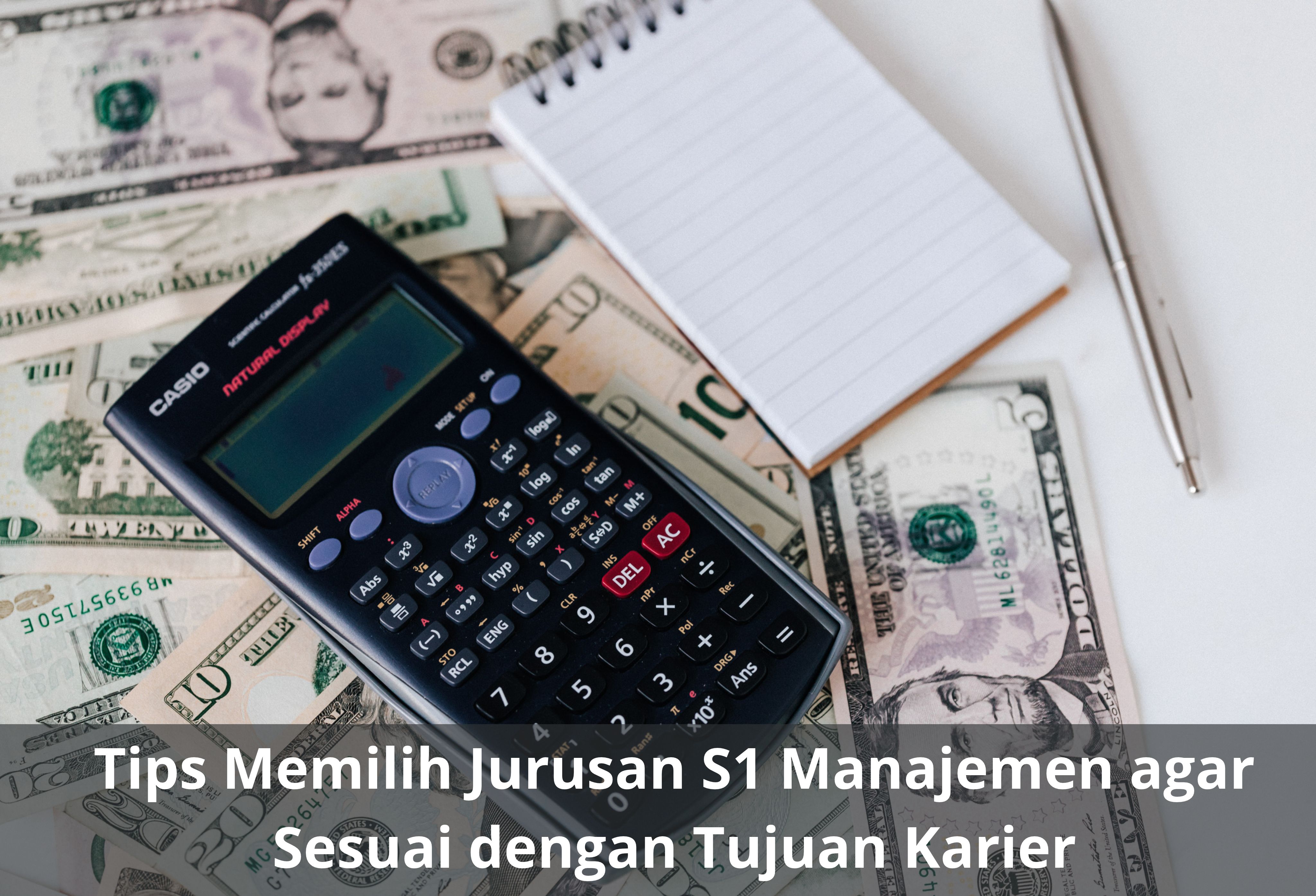
How Can You Manage a Trip Budget for a Long Vacation?
Gusti Ayu Tita P
17 September 2026

Planning a long vacation requires more than choosing a destination and booking transportation. A longer trip usually involves more accommodation nights, meals, transportation, activities, and unexpected expenses, so a clear budget is important. Without proper planning, daily spending can quickly become difficult to control.
A trip budget helps travelers understand how much money they need before leaving and how much they can spend each day. By dividing expenses into categories and setting reasonable limits, travelers can enjoy a longer vacation without putting unnecessary pressure on their finances.
UNDERSTAND YOUR TOTAL TRIP COSTS
The first step in managing a long vacation budget is to identify the total expected cost of the trip. Start by listing major expenses such as transportation, accommodation, food, local transportation, activities, travel insurance, and other necessary purchases. Fixed expenses, such as prepaid flights or hotel bookings, should be separated from variable expenses that may change during the trip. This makes it easier to understand which costs can still be adjusted.
It is also useful to estimate expenses based on the number of travel days. For example, a two-week vacation will generally require more money for accommodation and daily meals than a three-day trip. Creating a complete expense list before departure can reduce the risk of forgetting important costs. A realistic estimate also gives you a clearer idea of whether the planned trip fits your available funds.
SET A DAILY SPENDING LIMIT
After calculating major expenses, create a daily spending limit for costs such as food, drinks, local transportation, and entertainment. Divide the amount available for daily expenses by the number of days you plan to travel. This creates a simple spending guide that can help prevent excessive spending during the early days of the vacation.
A daily limit does not have to be exactly the same every day. Some days may require more money because of special activities, while other days can be cheaper. You can compensate for expensive days by choosing low-cost activities and meals on other days. Keeping track of daily spending also makes it easier to see whether you are staying within your overall budget.
CHOOSE ACCOMMODATION AND TRANSPORTATION WISELY
Accommodation and transportation can become some of the largest expenses during a long vacation. Compare different options based on their total cost rather than looking only at the advertised price. A cheaper hotel located far from attractions may require more spending on transportation, while a slightly more expensive accommodation in a convenient location could reduce daily travel costs.
Transportation between destinations should also be planned carefully. Compare options such as trains, buses, flights, rental vehicles, or shared transportation according to your route and travel needs. Booking important transportation in advance can sometimes make costs easier to manage, but travelers should also check baggage fees, transfers, taxes, and additional charges before deciding. Looking at the complete cost gives a more accurate picture of the trip budget.
CONTROL FOOD AND ACTIVITY EXPENSES
Food and entertainment can gradually increase the cost of a long vacation because they are repeated expenses. Instead of eating at expensive restaurants for every meal, consider combining restaurants with local food, affordable cafes, supermarkets, or simple meals. This approach can help reduce daily costs without requiring travelers to avoid enjoyable experiences completely.
Activities should also be selected according to their value and importance to the trip. Research free attractions, public spaces, walking areas, museums with discounted admission, and local events when available. You can reserve part of your budget for a few special experiences while keeping other activities inexpensive. Planning these choices in advance helps prevent spontaneous purchases from taking over the budget.
PREPARE AN EMERGENCY FUND
A long vacation should always include an emergency fund because unexpected expenses can happen at any time. Examples include transportation changes, lost belongings, unexpected medical costs, accommodation problems, or sudden changes to travel plans. The emergency fund should be treated as money that is available only when necessary rather than part of the normal daily spending allowance.
It is also helpful to keep emergency money separate from the main travel budget. Travelers can use a separate bank account, secure payment method, or reserve cash depending on their circumstances. Having this backup can provide greater financial flexibility when plans change. However, travelers should still check their bank's fees, card availability, and access to money before traveling, especially for international trips.
REVIEW YOUR BUDGET DURING THE VACATION
A trip budget should not only be created before departure. It should also be reviewed throughout the vacation to determine whether actual spending matches the original plan. Record important expenses each day using a notes application, spreadsheet, or travel budgeting app. This makes it easier to identify categories where spending is higher than expected.
If you notice that you are spending too much, make adjustments before the problem becomes larger. For example, you can reduce restaurant visits, choose less expensive activities, or use more affordable transportation for the remaining days. After returning home, compare your planned budget with actual expenses to understand what worked and what should be improved for future trips. This habit can make future long vacations more organized and financially manageable.
CONCLUSION
Managing a long vacation budget requires planning, monitoring, and flexibility. Travelers should calculate major expenses, establish daily spending limits, choose transportation and accommodation carefully, and control food and activity costs. Preparing an emergency fund is also important because unexpected expenses can affect the overall travel budget.
The most effective approach is to review spending regularly instead of waiting until the vacation ends. With a realistic budget and consistent expense tracking, travelers can enjoy a longer vacation while maintaining better financial control.
About the Author
Gusti Ayu Tita P
Author — STEKOM University
An active author focused on academic issues, educational technology, and human resource development in the campus environment.