How Can You Stay Calm During a Disaster Evacuation?
Gusti Ayu Tita P
19 September 2026
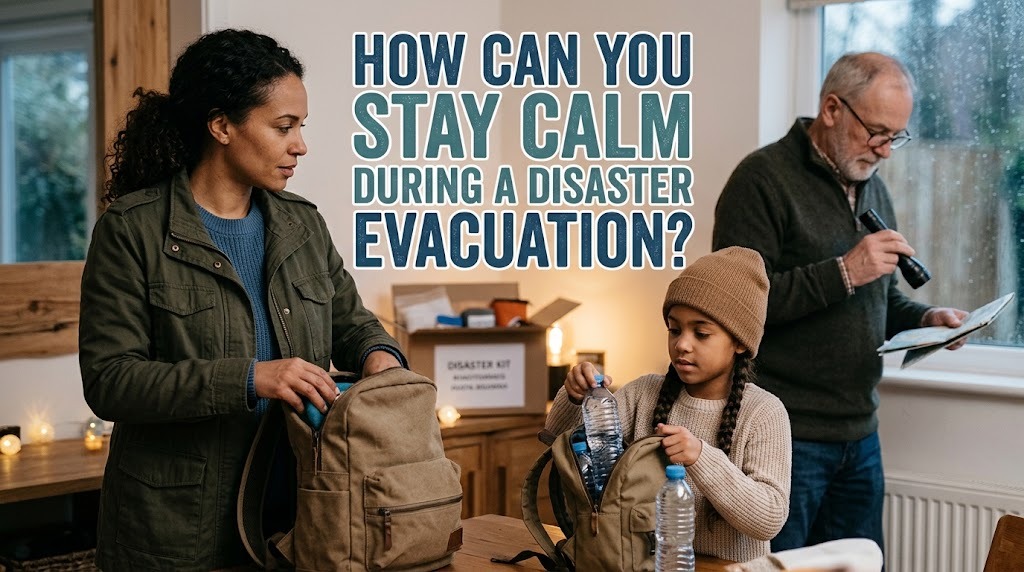
A disaster can happen without warning and may create fear, confusion, and panic. Staying calm during an evacuation is important because clear thinking helps people follow safety instructions and make better decisions. Panic can make it harder to understand directions or recognize dangerous situations. By preparing in advance and focusing on simple actions, people can respond more safely during an emergency.
UNDERSTAND THAT PANIC IS A NORMAL REACTION
Feeling afraid during a disaster is a normal human reaction. The important thing is not to allow fear to prevent you from taking necessary safety actions. Try to focus on what you can control, such as following instructions, moving to a safe location, and staying with your group.
Taking slow, steady breaths can help you regain focus when you feel overwhelmed. Avoid shouting or making sudden decisions based only on fear. A calm mindset can help you pay attention to important information and respond more appropriately to changing conditions.
LISTEN TO OFFICIAL INSTRUCTIONS
One of the best ways to remain calm is to know what actions you should take. Listen carefully to emergency personnel, local authorities, warning systems, or other trusted sources. Clear instructions can reduce uncertainty and help people understand where they should go.
Avoid spreading or following unverified information during an emergency. Rumors can increase fear and cause people to move toward unsafe areas. Instead, concentrate on reliable information and follow the latest instructions provided by responsible authorities.
FOCUS ON ONE STEP AT A TIME
A disaster can seem overwhelming when people think about everything that could happen at once. Instead, focus on one safe action at a time. For example, listen to the evacuation order, take essential supplies if they are immediately available, leave through the recommended route, and move toward the designated safe area.
This simple approach can make an emergency situation feel more manageable. Avoid spending too much time worrying about belongings or unnecessary tasks. Personal safety should remain the main priority throughout the evacuation.
STAY WITH FAMILY OR YOUR GROUP
Staying together can provide emotional support and practical assistance during an evacuation. Families should decide in advance where they will meet if they become separated. Children should know which trusted adults they should stay with during an emergency.
If someone around you is becoming frightened, speak calmly and give simple instructions. Avoid creating additional panic by shouting or making unnecessary movements. Helping others remain focused can make the evacuation more organized and reduce confusion.
PREPARE BEFORE A DISASTER HAPPENS
Preparation can make it easier to stay calm during an actual emergency. Create a family emergency plan, identify evacuation routes, and know the location of designated assembly points. Keep important emergency supplies in a place that is easy to access.
Practicing an evacuation plan can also help people become more familiar with what they need to do. When people already understand the basic procedure, they may have less uncertainty during a real emergency. Preparation builds confidence and improves readiness without requiring people to predict exactly when a disaster will happen.
AVOID UNNECESSARY RISKS
Staying calm also means avoiding actions that could create additional danger. Do not rush into damaged buildings, blocked roads, floodwater, fire zones, or other hazardous areas simply because you are frightened or in a hurry. Follow designated evacuation routes and instructions from emergency personnel.
If conditions change, stop and reassess the situation using reliable information. Do not return to collect belongings unless authorities confirm that it is safe. Remember that evacuation is about reaching safety, not protecting property.
CONCLUSION
Staying calm during a disaster evacuation can help people think clearly, follow instructions, and avoid unnecessary risks. Fear is a natural response, but preparation and simple actions can make it easier to remain focused. Listen to official information, stay with your group, follow safe routes, and prioritize personal safety. With proper preparation, people can respond to emergencies in a more organized and responsible way.
About the Author
Gusti Ayu Tita P
Author — STEKOM University
An active author focused on academic issues, educational technology, and human resource development in the campus environment.